
Unbiased headlines. Facts, not spin.
Unbiased Headlines is an independently owned news organization. We bring you the facts, not opinions, written fresh from 110+ named sources. Sources linked so you can verify it yourself.
 energy
Notable (6/10)
Event date: November 17, 2026 ·
Energy Department issues seventh emergency order keeping Michigan's Campbell coal plant open through Feb. 12, after appeals court ruling
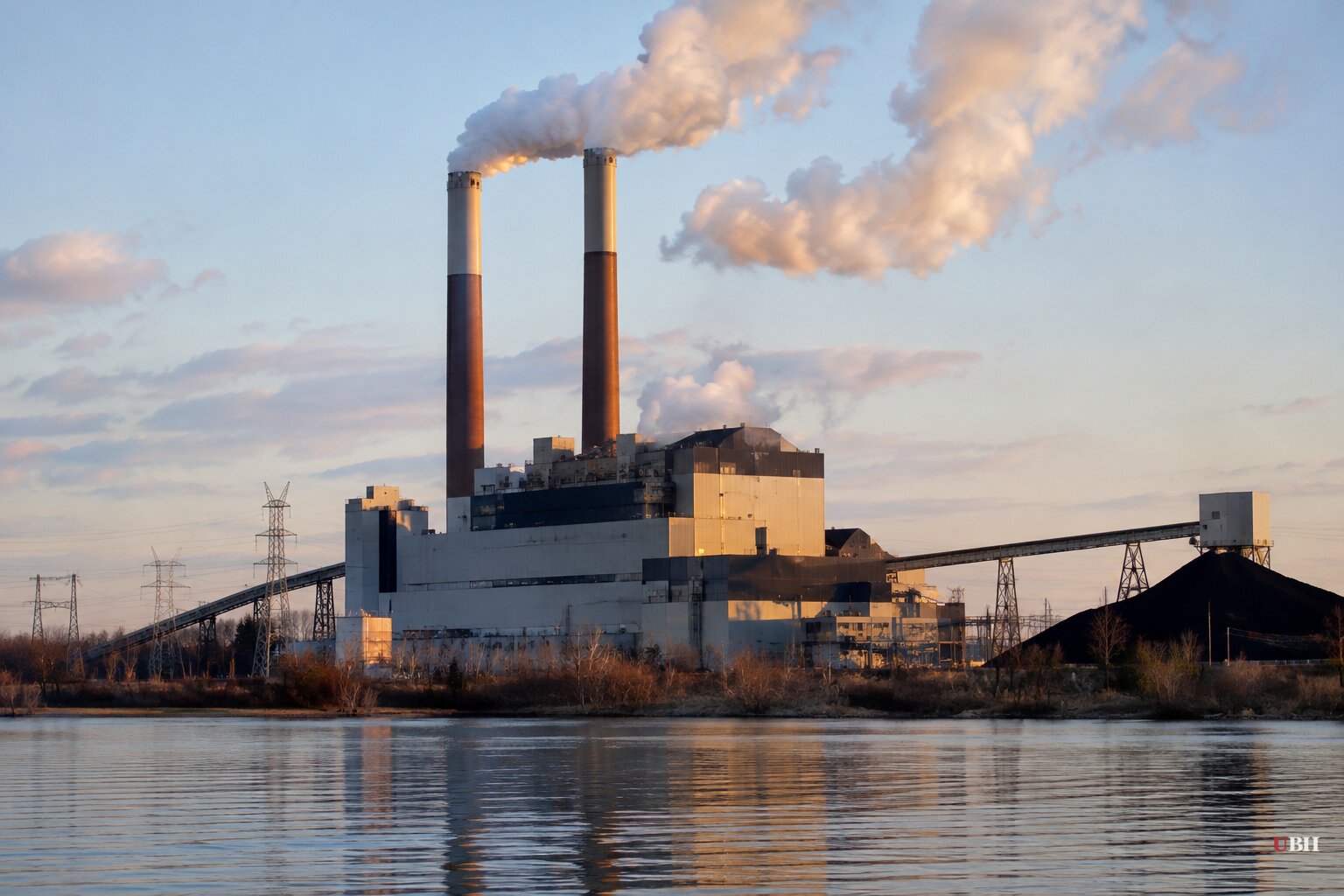
The Department of Energy has again ordered the J.H. Campbell coal plant in Port Sheldon Township, Michigan, to stay available past its retirement date. It did so after a federal appeals court ruled against the legal basis for the earlier orders.
Wright signed the seventh consecutive 90-day order late on Friday, Nov. 13. It took effect Sunday, Nov. 15, and runs through Feb. 12, 2027. It directs the Midcontinent Independent System Operator (MISO) and Consumers Energy to keep the 1,420-megawatt plant ready for emergency grid needs, using economic dispatch to limit ratepayer costs.
The court ruling
In September, a three-judge panel of the U.S. Court of Appeals for the D.C. Circuit ruled unanimously for Michigan, Illinois, Minnesota and several environmental groups. The panel found there was no real emergency under the law and that the Energy Department exceeded its authority.
The department said it disagrees with the decision. In late October it petitioned for a rehearing before the full court, and that request is pending. A decision is pending on whether the full appeals court will hear the case, which could end up at the Supreme Court.
Environmental Defense Fund counsel Ted Kelly called the new order unlawful. The Sierra Club's Jessi Eidbo called it an "illegal and expensive extension." Both are parties opposed to the orders.
What the plant was supposed to do
Campbell has operated on the Lake Michigan shoreline since 1962. It was scheduled to burn its last coal on May 31, 2025, under a 2022 state-approved transition plan. That plan was expected to save ratepayers roughly $600 million by 2040.
Eight days before shutdown, federal officials issued the first order. The plant has run under 90-day renewals ever since, for a total of more than 20 months.
The cost
The estimates differ depending on who is counting.
- Planet Detroit, citing federal court filings and state officials' estimates, put unbudgeted coal deliveries, maintenance and compliance costs at roughly $640,000 to $1 million per day. That totals $259 million to $295 million as of September 2026.
- EDF says Consumers Energy's latest financial filings show $303 million in additional costs, and counting. Consumers Energy is seeking to recover those costs from ratepayers in 11 states.
- The Sierra Club's "Burning Money" tracker puts Campbell's share at more than $326 million, based on utility cost-recovery filings.
The costs land on utility customers across the Midwest, not on the federal Treasury.
The administration's case
Wright says the orders are about keeping the lights on. "President Trump and the Energy Department remain committed to doing everything in our power to stop power outages for American families and businesses," he said in the latest order. He added that keeping coal plants like Campbell available "has prevented blackouts and likely saved lives."
The department points to a joint report from the Federal Energy Regulatory Commission and the North American Electric Reliability Corporation on the Winter 2026 Arctic cold period. During Winter Storm Fern, MISO declared energy emergency alerts and Campbell generated more than 201,000 megawatt-hours. The department says similar strains persist.
The groups challenging the orders dispute that framing. They say there is no evidence Campbell has ever been needed to avoid a grid emergency or has prevented an outage. Earthjustice attorney Bradley Marshall said many of these plants "were due to be retired for a reason. They simply weren't economic to run anymore."
A pattern beyond Michigan
Campbell is one of six plants nationwide where the administration has ordered retirement plans reversed. EDF's analysis puts the combined ratepayer cost of those orders at $593 million. The Sierra Club's tracker puts it above $600 million, with more than half from Campbell.
In Orlando, the Energy Department issued an initial order for the Stanton Energy Center in June and another in September. The September order expires Nov. 30. EDF's analysis puts Stanton's cost to ratepayers at $25.6 million.
The Orlando Utilities Commission, the state's second-largest municipal utility, serves more than 288,000 customers. It had planned to move one of Stanton's two coal units into extended cold shutdown by the end of May 2026. The Energy Department attributes a Florida energy emergency to a shortage of generating facilities and expected demand growth from data centers. Marshall, whose group Earthjustice has challenged the Stanton order in court, said he expects another order. "If they stay true to form then they're going to issue another order," he said.
The orders sit within a broader push. The administration announced a plan in June to spend nearly $700 million supporting coal plants and coal exports. The Interior Department opened 13.1 million acres of federal land to coal leasing in September 2025. EDF's separate analysis of the 184 operating coal plants found 90 receiving some financial, regulatory or operational support from the administration. That includes $950 million in public funds to 24 plants and Clean Air Act exemptions for 70.
What comes next
The full D.C. Circuit has not said whether it will rehear the case. If it declines, the September ruling stands.
Sources used for this briefing
7 links from 7 independent newsrooms (syndicated copies of the same report count once)
These are the sources it draws on, linked so you can verify.


