
Unbiased headlines. Facts, not spin.
Unbiased Headlines is an independently owned news organization. We bring you the facts, not opinions, written fresh from 110+ named sources. Sources linked so you can verify it yourself.
 energy
Low Interest (4/10)
Campaign Group Says EU Soil Degradation Could Cost Up to €509 Billion Over 2028-2034 Budget as Farm Funding Talks Continue
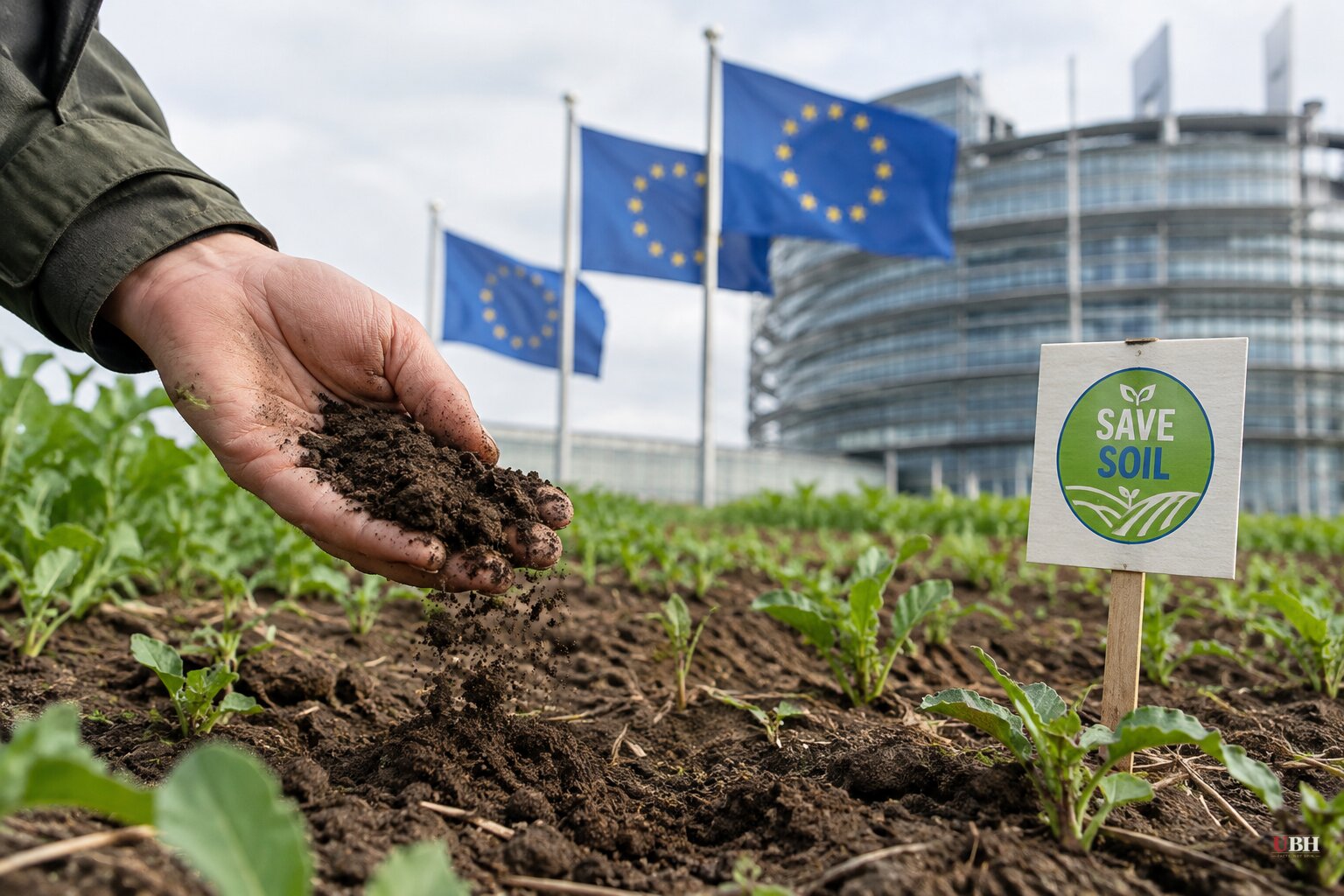
Save Soil, a campaign group launched in 2022 by Indian spiritual leader Sadhguru and his Isha Foundation, estimated that soil degradation could cost the EU between €286 billion and €509 billion over the bloc's 2028 to 2034 budget period. That assumes yearly losses continue at today's pace. Euronews, which published the report on 21 November 2026, says Save Soil made the estimate on Thursday.
The group wants the next Common Agricultural Policy (CAP), the EU's farm subsidy system, to pay farmers for proven gains in soil health. Its argument is that farmers should not be left alone to cover the cost of restoration.
Where the number comes from
The math is simple. The European Commission's in-house science service, the Joint Research Centre (JRC), puts the annual cost of soil degradation in the EU at €40.9 billion to €72.7 billion. Save Soil multiplied that range by the seven years of the next long-term budget, which is currently being discussed in Brussels.
The JRC range covers erosion, contamination, compaction and soil carbon losses, among other damage. The JRC has noted the bill could double if costs such as biodiversity loss, floods, droughts and health effects were added.
Two things about the figure are worth keeping straight. It is a multiplication of existing JRC annual estimates over seven years, not a forecast built from new modeling. And it measures economic damage across the EU, not a bill that lands on taxpayers or a spending request.
According to the Commission, 60% to 70% of EU soils are unhealthy, weakening their ability to support farming, hold water and cope with extreme weather.
The budget fight
In July 2025, the Commission proposed ring-fencing at least €300 billion for farmers' income and crisis support from 2028. On 26 October, EU agriculture ministers agreed their stance on the CAP rules but left funding to the wider budget talks.
That puts the CAP's size and conditions in the same bargaining pot as the rest of the EU budget discussions.
Agriculture negotiations at COP31 in Türkiye ended without a meaningful outcome, with a decision pushed back to 2027.
"Europe is debating hundreds of billions in agricultural support while soil degradation is already imposing enormous costs on its economy," said Rico Rau, the lead author of the group's COP31 report, in a statement. "The next CAP should not simply compensate farmers for the pressures they face. It should help them rebuild the productive asset their livelihoods depend on."
What Save Soil is asking for
The group wants the CAP to pay for measurable soil health gains. It also wants farmers whose land is already healthy to be rewarded.
It also called for the Soil Monitoring Law, the EU's first soil law, to provide consistent evidence without duplicating measurements and paperwork. The law took effect in December 2025 but sets no binding restoration targets.
That gap matters for the group's pitch. Paying for results requires a way to measure results, and the monitoring regime is the tool Save Soil points to for that job.
The group's other two proposals are for the EU's carbon farming certification scheme to reward verified environmental benefits, and for public bodies to use their buying power to secure steady demand for sustainably grown food.
The food-sector stakes
Save Soil warns that poorer soils can cut yields, raise costs and make supply chains more fragile. The EU's food and drink sector turns over €1.5 trillion a year and employs 4.8 million people, according to industry body FoodDrinkEurope.
The group has an advocacy purpose, and its headline range is a multiplication of someone else's research. The underlying JRC numbers come from the Commission's own science arm. The Commission's 60% to 70% estimate of unhealthy soils comes from the same institution that proposed the €300 billion ring-fence.
Whether the Commission's proposed €300 billion will be enough to address those losses has not been settled. Neither has whether any of it will be tied to measured soil outcomes. Ministers have agreed on CAP rules but not on funding, and the budget talks in Brussels will decide that. The COP31 agriculture decision has been pushed back to 2027.
Sources used for this briefing
7 links from 4 independent newsrooms (syndicated copies of the same report count once)
These are the sources it draws on, linked so you can verify.


