
Unbiased headlines. Facts, not spin.
Unbiased Headlines is an independently owned news organization. We bring you the facts, not opinions, written fresh from 110+ named sources. Sources linked so you can verify it yourself.
 energy
Notable (6/10)
Event date: November 16, 2026 ·
EDF Nears Decision on Six New Reactors as French Auditors Warn Low Power Prices Threaten Funding
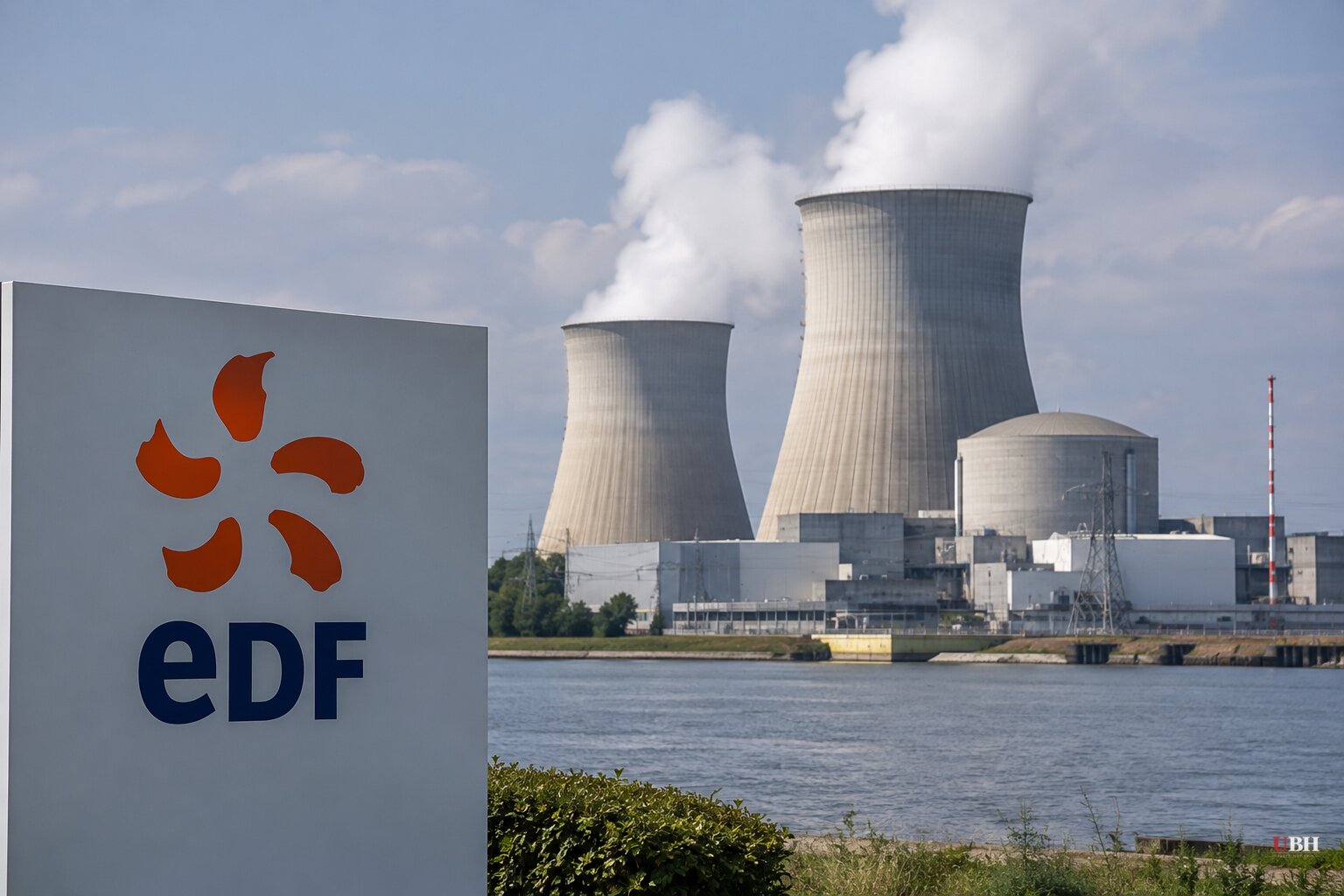
France's state auditor has put a number on the risk sitting under EDF's biggest bet. If wholesale electricity prices fall below €70 per megawatt hour, the financing gap for six new nuclear reactors widens considerably.
The Court of Auditors published the warning on Monday, Nov. 16, weeks before EDF is expected to make a final investment decision.
The price tag keeps growing
The EPR2 program covers six reactors, two each at Penly, Gravelines and Bugey. The official budget is €72.8 billion in 2020 values. The court recalculated it at €84 billion in 2025 values. First commercial operation is scheduled from 2038.
The court said that if market revenues do not cover construction, maintenance and operating costs, EDF would need substantial state backing. In certain scenarios, it said, the government would have to forgo roughly €65 billion in dividend payouts from 2026 through 2040 to keep EDF from running out of cash during construction. The French state is EDF's sole shareholder.
Today's prices versus the forward curve
Power is expensive right now. Baseload contracts for 2027 delivery closed Friday, Nov. 13, just under €120 per megawatt hour, according to LSEG data. Disruptions in the Strait of Hormuz and low European gas storage are behind the spike.
The forward curve tells a different story. Contracts for 2028 and 2029 were at €65.75 and €60.10 per megawatt hour. Both sit below the court's €70 threshold. The reactors would not produce a kilowatt-hour until 2038 at the earliest.
Flamanville is the reference point
The auditors pointed to Flamanville 3, the one EPR France has built. Its total estimated cost reached €23.7 billion against an initial budget of €3.3 billion, more than seven times the original figure. It arrived 12 years late.
The court warned that the fiscal exposure from six units would be much larger.
It also said the cheapest low-carbon option remains extending the life of existing reactors to 60 years. That comes with conditions: safety approvals must be secured and maintenance costs strictly controlled. Maintenance is EDF's main investment, at around €6 billion a year, with a projected peak near €7 billion in 2029. EDF itself estimates that six of its 57 operating reactors could not run beyond 60 years because of component fatigue, including in the reactor vessels.
Financing and Brussels
Two sources familiar with the plans told Reuters that EDF's board is expected to review the investment decision in mid-December, finalize terms in the third week of the month and take a provisional decision before year-end. The project is expected to cost more than €70 billion.
The government plans to finance 60% through a zero-interest loan. That requires EU state-aid approval, and negotiations are ongoing. The European Commission wants assurances the project will not increase EDF's market dominance.
To win approval, EDF has proposed auctioning 3,000 megawatts of output through long-term contracts to rival suppliers. That is about 7% of EDF's annual output.
The sources said the Commission's decision may not come until well into next year. EDF plans to start hiring, ordering parts and awarding contracts next year regardless.
A rival bet on the left
The nuclear debate is playing out as France heads toward presidential elections next spring. Socialist candidate Raphaël Glucksmann, a member of the European Parliament, is pitching a different kind of state-led energy program.
According to Le Figaro, Glucksmann wants to invest about €200 billion over five years. The goals are to more than double renewable energy production by 2035 and phase out fossil fuels in the French economy by 2050.
The plan includes one million compact electric cars leased to the public for €100 per month with no down payment. It also calls for a million home heat pumps at around €1 per day and means-tested energy vouchers of €200 to €500. A €1-per-day Sustainable Mobility Pass for people under 25 would aim to discourage domestic flights.
Glucksmann says part of the money would come from an exceptional levy on assets above €100 million, described as a 5% wealth tax. His ally, Green Party Senator Yannick Jadot, said that would raise about €50 billion. Jadot said the rest would come from taxes on oil and gas company profits, an EU green bond, ending tax exemptions for domestic flights, higher airline ticket taxes and targeted taxes on private jets and yachts.
Glucksmann is also counting on private companies to follow the public money into green energy. Full details of the plan are due to be published next month.
What is still open
The two programs differ on technology and politics. Both ask French taxpayers and the state balance sheet to carry long-dated bets on energy prices and delivery.
The reactor project's immediate test is EDF's board review in mid-December and the Commission's verdict on the zero-interest loan, which may slip well into 2027. EDF has not said what it would do if the price curve stays below the court's €70 line when the decision is due.
Glucksmann's costed plan is expected next month.
Sources used for this briefing
5 links from 5 independent newsrooms (syndicated copies of the same report count once)
These are the sources it draws on, linked so you can verify.


