
Unbiased headlines. Facts, not spin.
Unbiased Headlines is an independently owned news organization. We bring you the facts, not opinions, written fresh from 110+ named sources. Sources linked so you can verify it yourself.
 energy
Major Story (7/10)
China Imported 19.7 Million Tonnes of Gulf Crude in October, a Wartime High
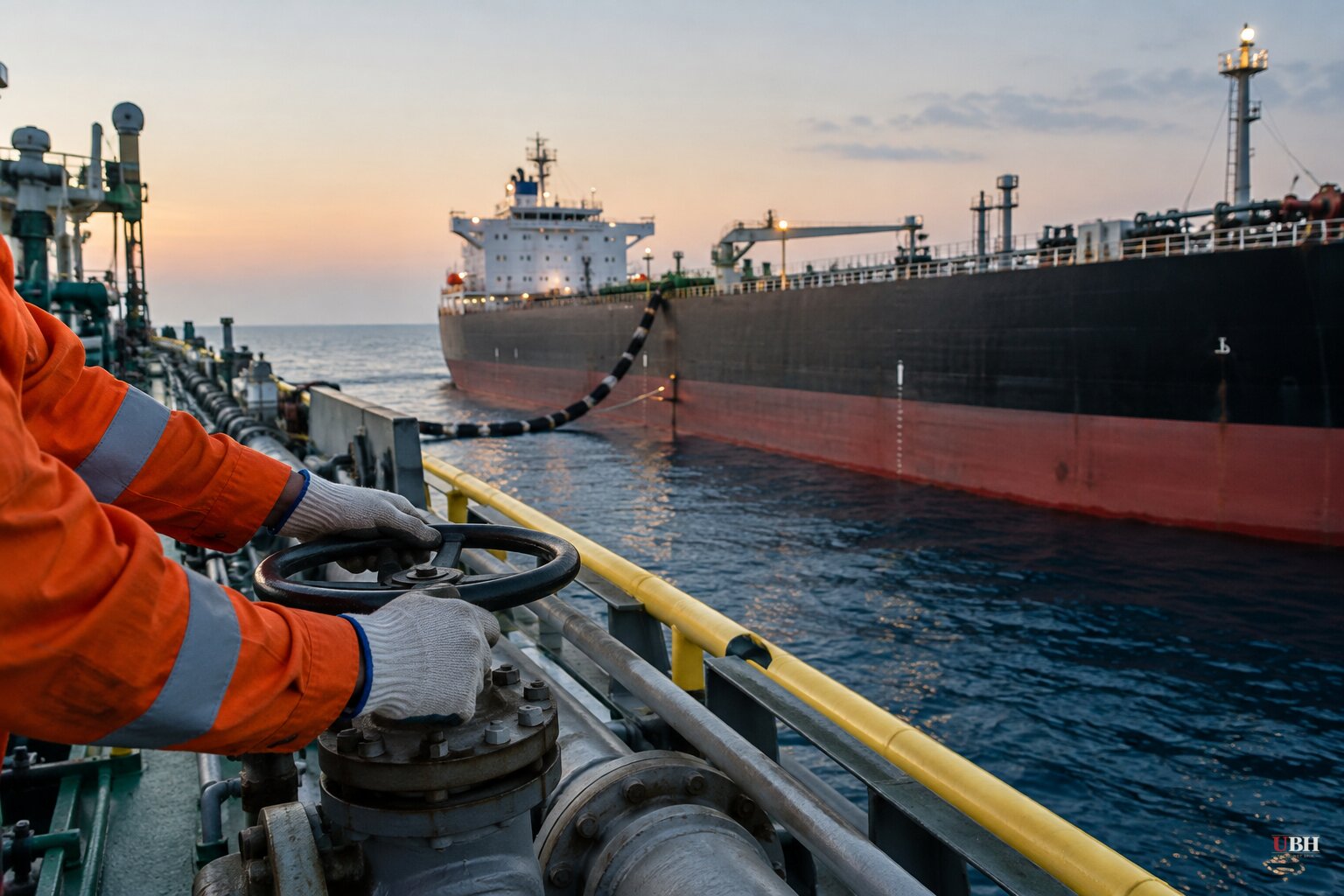
China bought a lot more Gulf oil in October.
Imports of crude from Persian Gulf producers, excluding Iran, reached 19.7 million tonnes, up 42.4% from September and the highest level since the Iran war began. The figures come from South China Morning Post calculations based on Chinese customs data. It was the fourth straight monthly increase.
Gulf producers supplied almost half of China's term crude that month, according to the same calculations. That puts volumes close to prewar levels.
Hormuz traffic recovers
The rise lines up with a rebound in shipping through the Strait of Hormuz. Lloyd's List Intelligence counted 449 tanker transits in October, up from 413 in September. Non-Iran-linked transits hit a wartime high of 418, up from 385. A total of 174 crude tankers went through.
Flows from the region reached prewar levels on some days at the end of October, and physical Middle East crude prices slumped as barrels came back to market. Dubai and Murban benchmarks both weakened.
Saudi Arabia cuts prices
Gulf producers also cut prices for Asia-bound cargoes while freight rates sat at records. Saudi Aramco lowered the December-loading price of its flagship Arab Light grade by $2 per barrel. The new price is a $6.50 per barrel discount to the Oman/Dubai average, the steepest discount to that benchmark since May 2020, during the COVID pandemic.
Lower December prices are expected to keep drawing Chinese buyers, especially with international crude falling.
Iraq fills the Iranian gap
China's independent refiners, the so-called teapots, have lost their cheap Iranian supply. Iran accounted for as much as roughly 13% of China's seaborne imports before the war, according to the data firm Kpler. Almost nine months of war and a U.S. naval blockade have all but cut off those cargoes, and Russian barrels have grown more expensive.
Iraq has stepped in with deep discounts for buyers willing to send ships in. Traders told Bloomberg that Mercuria has sold up to 20 million barrels of Iraqi crude to at least eight independent refiners in recent weeks, including Shenghong Petrochemical, Hongrun and Chambroad. Vitol is also moving Iraqi cargoes to China, they said.
"Iraqi crude has emerged as a winner during this period," said Liao Na, founder of GL Consulting, who added that other Gulf suppliers may follow with similar terms. "After all, teapots remain one of the few pockets of resilient demand in an oversupplied market."
The shipping is still under fire
More oil moving does not mean the strait is safe. Lloyd's List Intelligence confirmed 37 attacks on merchant shipping in October, the highest monthly total of the conflict. Eleven very large crude carriers had been damaged as of Oct. 23.
Lloyd's List editor-in-chief Richard Meade wrote that the traffic recovery reflects commercial adaptation that is "increasing exposure rather than signalling a return to normality." His point is that ships are going through because the money is there, not because the danger has passed.
Florence Schmit, senior energy strategist at Rabobank, made a similar argument about the market. "We are not yet at the point where the narrative of improving supply is enough to overshadow the military flare-ups," she said. "Flows through Hormuz have improved, yet ships are still being attacked."
Prices and the diplomatic backdrop
Brent was trading around $92 to $93 a barrel in a choppy session. Crude futures are down about 3% this week and more than a fifth this month, following the recovery in Gulf supply.
The International Energy Agency said Nov. 19 that the war could reshape global energy markets for years and push governments to prioritize reliability and cost. It added that a quick resolution could turn both oil and gas into buyers' markets as volumes rise.
President Donald Trump met his Chinese and Russian counterparts in Shenzhen, and the three agreed to ramp up global fuel supplies, though they did not spell out how.
Western officials say the chances of another round of U.S. mass strikes on Iran have grown as the two sides step up skirmishes. An Axios reporter said on X that the White House has asked the Pentagon to assess how Iran might respond to various strike scenarios. Iran's state-run IRNA news agency reports that Tehran will not discuss the nuclear issue until the Hormuz question is settled.
The next test is whether December cargoes, priced at those deeper Saudi discounts, keep China's intake near prewar levels while attacks continue. Either a new round of U.S. strikes or a Hormuz settlement would change that picture.
Sources used for this briefing
7 links from 6 independent newsrooms (syndicated copies of the same report count once)
These are the sources it draws on, linked so you can verify.


