
Original briefings. Zero spin.
Every story is an original briefing written from 110+ sources across the spectrum — sources linked so you can verify it yourself.
 energy
Major Story (7/10)
September 3, 2026 at 08:26 AM
energy
Major Story (7/10)
September 3, 2026 at 08:26 AM
Dubai Crude Nears $100 on Asian Buying Spree While Brent and WTI Ease
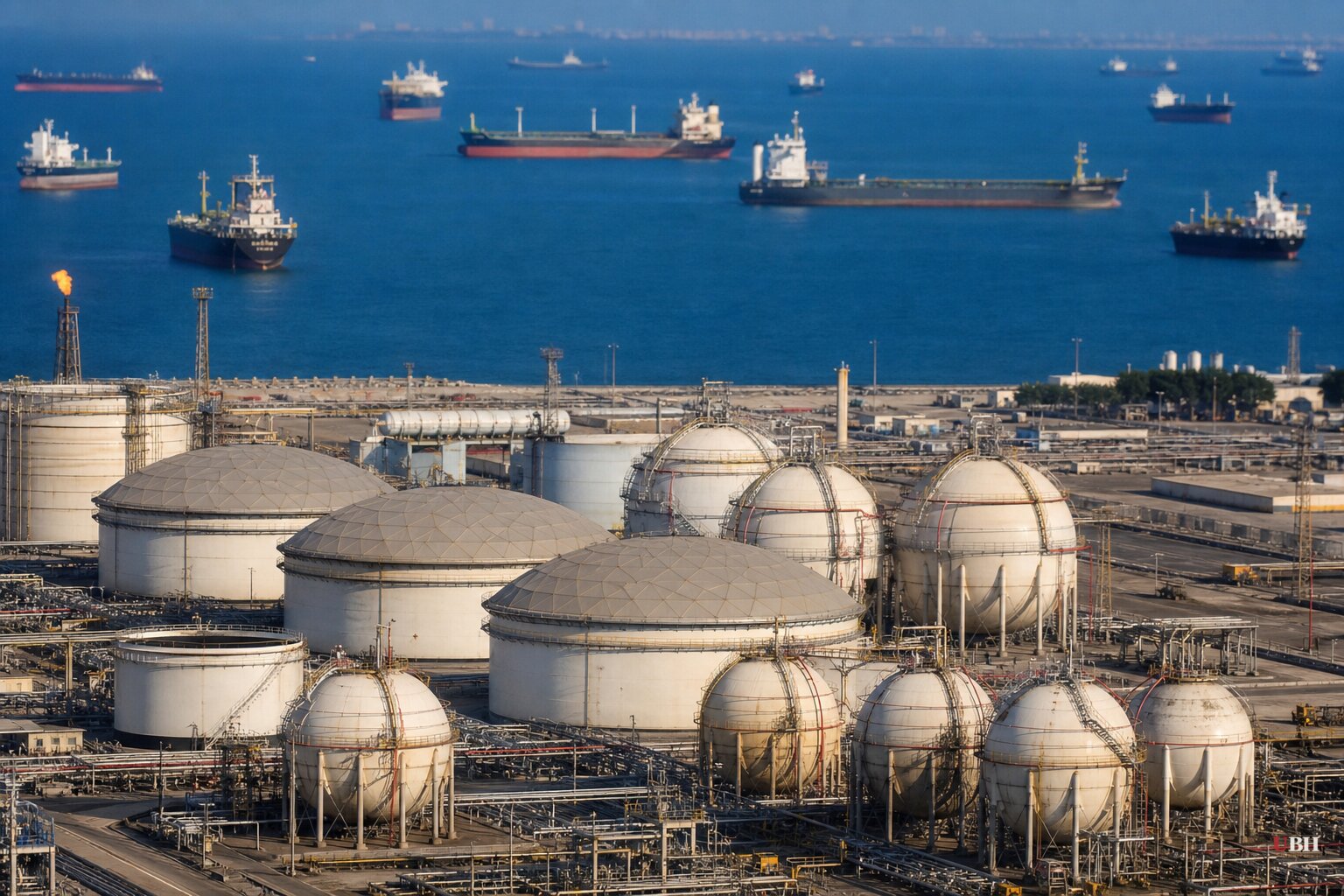
Two oil markets, two different stories
Asia and the West are looking at completely different oil markets right now, and the split says a lot about who's actually feeling the squeeze from the U.S.-Iran war.
Dubai crude futures are pushing toward $100 a barrel, according to Bloomberg reporting cited by OilPrice.com and energy writer Irina Slav. Murban, the UAE benchmark, was trading at $106.10 a barrel. DME Oman, the Middle East sour crude benchmark for Asia, hit $99.18.
The driver is straightforward: refining giants including Indian Oil Corp. and PetroChina, along with refiners in South Korea and Japan, are buying up Middle Eastern grades at a pace that's outrunning supply, per Bloomberg. That's happening even as Saudi Arabia's oil exports dropped to their lowest level since 2017, according to ship-tracking data from Kpler and Vortexa.
Hormuz flows down, but not dry
The Strait of Hormuz, the chokepoint at the center of the conflict, is still moving oil, just less of it. Average daily volume through the waterway ran between 6 and 8 million barrels over the past week, Bloomberg reported. Some cargoes have been pushed from August loading windows into September and October.
Asian buyers aren't just waiting it out. They're diversifying hard, according to the Bloomberg reporting: more purchases from Brazil, Canada and Argentina, plus China and India buying more Russian crude on top of their Middle East orders.
A Kpler market note from analyst Muyu Xu, published August 27, shows the supply side of this squeeze in more detail. Middle Eastern producers have ramped up spot tenders, which should mean more availability. Instead, award prices kept climbing. ADNOC's ninth tender round sold roughly 16 million barrels of Upper Zakum, Das and Umm Lulu crude to buyers in China, Japan, India and Malaysia at Dubai plus $5 to $8 a barrel on a Fujairah ship-to-ship basis, up from Dubai plus $5 to $6 the week before. QatarEnergy sold cargoes to a Thai refiner at Dubai plus $6. Iraq's state oil marketer SOMO sold about 10 million barrels of Basrah Medium and Basrah Heavy at more than Dubai plus $10 delivered. Saudi Aramco has also started marketing extra September-loading cargoes through Fujairah.
Kpler's take: Asian refiners appear to be shifting strategy, buying aggressively now on the expectation that supply stays tight for a while, rather than leaning on their own stockpiles. Strong refining margins are also pushing refiners to keep run rates high, which means they need the crude regardless of price.
Brent and WTI move the other way
While Dubai and Murban climb, the more Western-facing benchmarks went the opposite direction. Brent crude fell 0.4% to $95.26 a barrel and U.S. crude slipped 0.1% to $90.84, according to the Associated Press. Both had risen sharply earlier in the week as fighting between the U.S. and Iran flared back up, with Tuesday's close marking Brent and WTI's highest levels since July 24.
The pullback tracks a shift in tone from the White House. President Trump said Wednesday he doesn't expect the U.S. bombing campaign to last "much longer," per the AP. That's a notable change from earlier in the week, when Trump said no negotiations were underway with Iran and described "a very heavy attack last night," adding the U.S. was "prepared to do another one any time we want."
Iran isn't backing off its own position. Parliamentary speaker Mohammad Bagher Ghalibaf said the Strait of Hormuz would stay closed until the U.S. meets its commitments under a now-expired memorandum of understanding, according to Reuters reporting carried by Fox News. Trump, for his part, has maintained the strait remains open. The shipping data showing 6 to 8 million barrels a day still moving through Hormuz sits somewhere between those two claims, neither confirming a full closure nor normal flow.
Iraq, meanwhile, approved a temporary mechanism letting multiple companies export crude through various outlets, with three-month contracts starting September 1, aimed at reducing its dependence on Gulf shipping routes that run through the strait.
The military supply question
Under Secretary of War for Acquisition and Sustainment Michael Duffey told Fox News's "Special Report" that the U.S. military "can defeat any threat at the time and place of our choosing," while acknowledging the Pentagon wants to build bigger munitions reserves and speed up production with industry partners. Duffey blamed the Biden administration for underinvesting in the defense industrial base.
That's a real concern worth flagging, whichever side of the political aisle it comes from. A war that keeps consuming missiles and munitions faster than they're being replaced puts real strain on U.S. stockpiles, a point Duffey himself conceded when he said the Pentagon would "always like to have more weapons than we have right now." Whether the current pace of the conflict is sustainable on that front is an open question the Pentagon hasn't fully answered.
OilPrice.com's own reporting on the Dubai-near-$100 story doesn't mention that Brent and WTI actually eased the same day, which leaves readers who only see that piece with a one-sided picture of a market that's actually splitting in two directions at once.
What happens next largely hinges on whether Trump's Wednesday comment about the bombing campaign not lasting "much longer" translates into an actual de-escalation, or whether Iran's Hormuz threat and Saudi Arabia's falling exports keep tightening the Asian side of the market regardless.
Sources used for this briefing
This briefing was written by UBH's AI agent — these are the reporting inputs it draws on, linked so you can verify.


