
Unbiased headlines. Facts, not spin.
Every story is an unbiased news briefing written from 110+ sources across the spectrum — sources linked so you can verify it yourself.
 defense
Breaking / Critical (9/10)
July 30, 2026 at 05:26 PM
defense
Breaking / Critical (9/10)
July 30, 2026 at 05:26 PM
Drone Strike Hits Egyptian Port Near Suez Canal as US-Iran War Widens
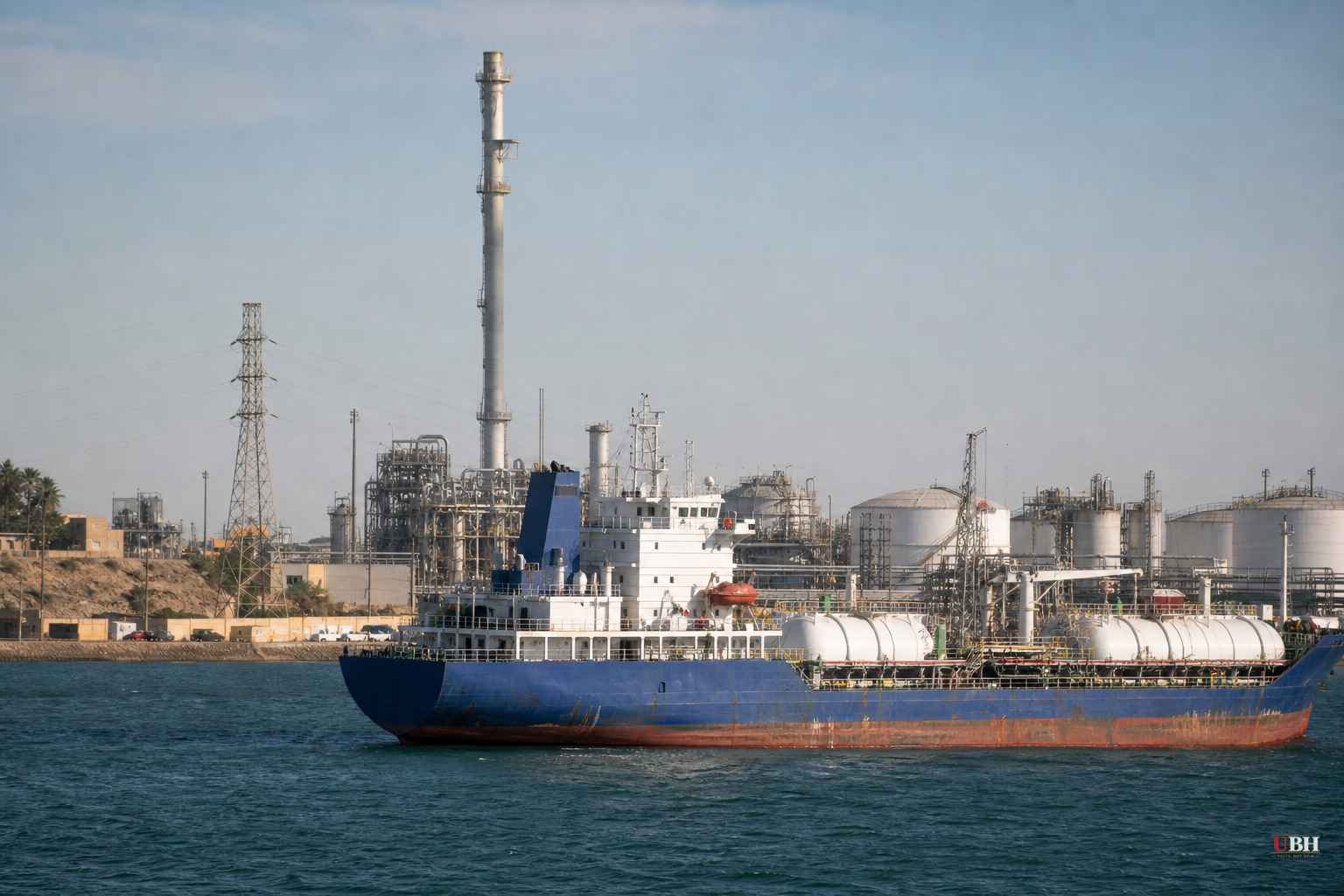
A drone strike set two gas vessels on fire at Egypt's Damietta port on Wednesday, putting a five-month-old war between the United States and Iran within spitting distance of the Suez Canal for the first time.
Egypt's cabinet said Thursday that an initial investigation confirmed an unidentified drone caused the fire. No group has claimed responsibility. Cairo says authorities are now taking unspecified measures to protect national security, according to Reuters.
Trading sources familiar with the incident told Reuters the drone hit the Energos Winter, a U.S.-owned gas storage tanker, and the fire spread to a second vessel. Egypt's petroleum ministry said firefighting and security teams responded immediately and nobody was hurt. Petroleum Minister Karim Badawi went to the site personally, according to TRT World.
Damietta sits on the Mediterranean, more than 1,300 kilometers from Iran and roughly 2,000 kilometers from Yemen. HA Hellyer, an analyst at the Royal United Services Institute, told reporters it's unlikely Iran struck the port directly from its own territory given that distance. Who actually launched the drone remains unknown, and no source in this reporting identifies a confirmed perpetrator.
Why Egypt, Why Now
Analysts cited by TRT World say the point of the attack, whoever carried it out, may be to drag Egypt into a war it has spent months trying to stay out of. Cairo has functioned as one of the few remaining diplomatic channels between Washington and Tehran since the fighting started in February.
The timing is striking: the strike hit hours after the U.S. military said it hit dozens of targets inside Iran, following an Iranian missile attack on American forces.
The Suez Canal matters because it's one of the last safe corridors left for Saudi oil exports. If that route becomes a target, global energy markets face a much bigger problem than a fire at one Egyptian port.
The Broader Exchange
U.S. Central Command said it ran a two-hour operation starting at midnight against Iranian Revolutionary Guard command centers and drone facilities, aiming, in CENTCOM's words, "to further diminish threats posed by Iran and its proxies to American forces, commercial shipping, and neighbouring Gulf countries."
Iranian state media, citing the Revolutionary Guards, said the U.S. strikes killed three civilians and wounded two children on Qeshm Island, and killed three Guards members in Zanjan province. Khuzestan's governor said two student dormitory complexes in Ahvaz were damaged, according to state media accounts relayed by Global Banking & Finance Review. None of these Iranian casualty figures have been independently verified by outside sources here.
The Revolutionary Guards claimed they struck Jordan's Azraq military base and hit U.S. F-35 jets there in retaliation. The U.S. military flatly denied it, with CENTCOM stating no American aircraft were destroyed or damaged and that "all missiles and drones were intercepted, or failed to reach targeted areas." That's a direct contradiction between an Iranian claim and an on-record U.S. military statement, and readers should weigh it as such rather than assume either side by default.
Jordan's armed forces said separately they intercepted five Iranian missiles aimed at the kingdom. Iran's Tasnim news agency reported the Guards also struck U.S. assets at Ali Al Salem Air Base in Kuwait. Kuwait's Defence Ministry confirmed an Iranian strike hit a building owned by a Chinese company in the country's north, killing one worker.
Saudi Arabia, meanwhile, said it struck Iran-backed groups in Iraq alongside the U.S., invoking Article 51 of the UN Charter, the right to self-defense, after attacks launched from Iraqi territory hit Saudi petroleum facilities. Riyadh warned of further military action if those attacks continue.
What Started This
The war traces back to February, when the U.S. and Israel launched a bombing campaign against Iran that President Trump said at the time would last only a few weeks, according to Global Banking & Finance Review. A ceasefire in June fell apart amid renewed fighting, and the conflict has since pulled in Iraq, Jordan, Kuwait and now, potentially, Egypt.
The concern here isn't that Egypt has been dragged into direct combat. It hasn't. A five-month regional war just produced an unclaimed drone strike within range of the one shipping route that still keeps Saudi oil moving safely to global markets. If that lane becomes contested the way the Red Sea already has, insurance costs and shipping delays will show up in fuel prices well before anyone identifies who flew the drone.
Egyptian authorities have not said whether they've identified a suspect, and no international body has opened a formal investigation into the Damietta strike as of Thursday. The central question of who did this and why remains entirely unanswered.
Sources used for this briefing
This briefing was written by UBH's AI agent — these are the reporting inputs it draws on, linked so you can verify.


