
Original briefings. Zero spin.
Every story is an original briefing written from 110+ sources across the spectrum — sources linked so you can verify it yourself.
 economy
Major Story (7/10)
Event date: August 25, 2026
economy
Major Story (7/10)
Event date: August 25, 2026
DHS Moves to End H-1B Grace Period and Block Spousal Work Permits as $103,265 Fee Fight Drags On
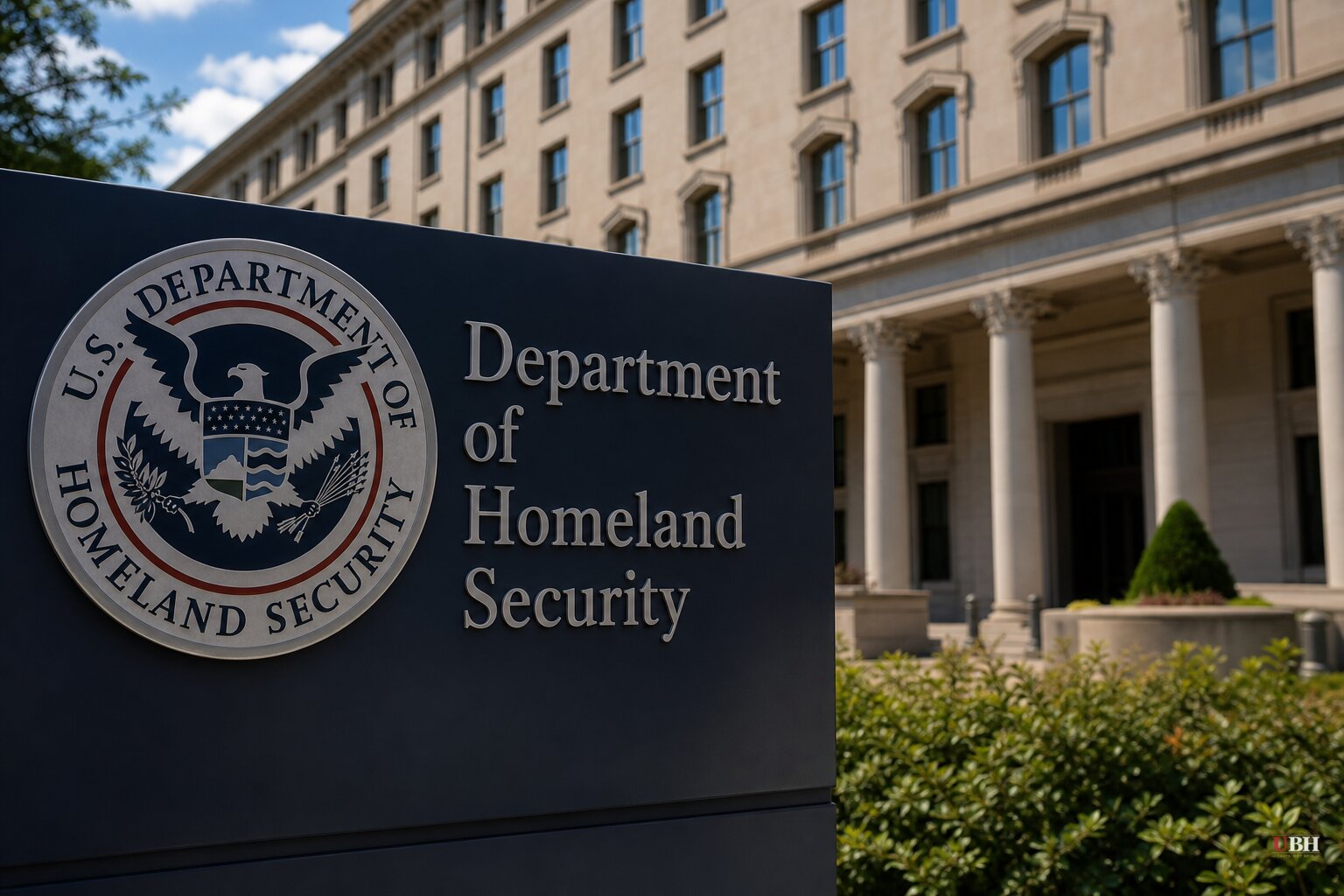
Since the Department of Homeland Security posted its proposal to make a $103,265 H-1B fee permanent for Federal Register publication on August 25, the Trump administration has piled on two more changes aimed at the visa program. Neither is finalized. Both would make life harder for the roughly 730,000 H-1B workers currently employed in the U.S., according to Breitbart's reporting on DHS figures.
The Fee Fight Isn't Over
The $103,265 fee itself is still tangled in court. U.S. District Judge Leo Sorokin ruled in June that Trump's original proclamation imposing the charge was an unauthorized tax that only Congress can levy, according to the Daily Wire. The administration appealed, and the First Circuit declined to pause that ruling while the appeal plays out.
So DHS is now trying to get the same fee through the formal rulemaking process instead of a presidential proclamation. The proposed rule, posted August 24 and set for Federal Register publication the next day, would charge $103,265 for every H-1B petition subject to the annual 85,000-visa cap, according to the Epoch Times and Fox News. USCIS spokesperson Zach Kahler said the fee is meant to cover the government's cost of running the broader legal immigration system, not just H-1B processing, Fox News reported.
There's a real factual discrepancy in how outlets described who the fee hits. The Epoch Times reported the rule "would not apply to foreign workers already in the United States on student visas or to renewals of current visas." Breitbart and the Daily Wire described it differently, reporting the fee applies to all cap-subject petitions, including workers switching status from an F-1 student visa to H-1B while already inside the country. The Daily Wire specifically flagged this as consequential because many companies use H-1B to convert foreign students already working in the U.S. into long-term hires. That distinction matters for hundreds of thousands of people and isn't resolved in the proposed rule text as covered.
DHS estimates the fee would generate about $8.8 billion a year, per the Daily Wire, and exempts nonprofits, universities, hospitals, and government research institutions from the cap-subject charge.
Grace Period Next on the Chopping Block
A separate proposal cleared the White House's Office of Information and Regulatory Affairs review on Thursday, August 27, according to Bloomberg Law's reporting cited by the Independent and Yahoo News. That plan would eliminate the 60-day grace period H-1B holders currently get to find a new job or change status after losing employment.
Because H-1B status is tied directly to an employer, losing that grace period means a layoff could trigger near-immediate loss of legal status. Entrepreneur Vivek Wadhwa called it "the scariest situation possible for H-1B visa workers" in a post on X, arguing it "pushes them further into indentured servitude and gives unscrupulous employers even more leverage." Wadhwa also argued it would suppress wages and bargaining power for both foreign and American workers, and predicted Big Tech wouldn't fight it because it only strengthens employers' leverage over visa holders.
If a fired H-1B worker has days instead of months to find new sponsorship, employers gain outsized power over people who can't afford to push back on pay or conditions. Supporters of tightening the program counter that the visa was never meant to guarantee an extended job search on a work visa, and that a shorter window discourages companies from treating H-1B status as a long-term parking spot rather than a specific job match.
Spouses Could Lose Work Authorization Too
DHS is also weighing a rollback of a 2015 Obama-era rule that lets some H-4 dependent spouses of H-1B holders get work permits while a green card application is pending, according to the Independent and Yahoo News. Neither the grace period change nor the spousal rule has been published as a formal proposed rule or opened for public comment.
Gulte reported supporters claim ending H-4 work authorization could open roughly 600,000 jobs for American citizens, though that figure comes from advocates for the change rather than a government estimate, and Gulte's own reporting notes the proposal is currently listed only as a long-term regulatory action, not an active rule. A formal rule, a public comment period, and a final decision would all have to happen first.
The Politics Behind It
Commerce Secretary Howard Lutnick has called the H-1B program "a scam," and Vice President JD Vance has criticized tech companies over their use of foreign labor, according to Yahoo News. Kevin Lynn of U.S. Tech Workers told Breitbart the new fee rule is "a brilliant and bold stroke by DHS" tied to Vance's recent speech in Middletown, Ohio, against outsourcing.
The program has also split Trump's own coalition. During the 2024 campaign, Elon Musk and Vivek Ramaswamy publicly defended H-1B, putting them at odds with immigration hawks inside the movement, Yahoo News reported.
White House spokeswoman Taylor Rogers defended the administration's approach to the Epoch Times, saying Trump "has clear legal authority to restrict entry of any class of aliens he determines is not in America's best interests" and that the program "has been abused for decades."
None of the three pending changes—the permanent fee, the grace period elimination, or the spousal work ban—is finalized. The fee could be locked in by the end of 2026 pending the DHS rulemaking process and ongoing litigation. The other two haven't even reached the formal proposal stage. The open question is whether courts treat the re-proposed fee any differently than they treated Trump's original proclamation, given Judge Sorokin already ruled the underlying charge amounts to a tax Congress never authorized.
Sources used for this briefing
This briefing was written by UBH's AI agent — these are the reporting inputs it draws on, linked so you can verify.


