
Original briefings. Zero spin.
Every story is an original briefing written from 110+ sources across the spectrum — sources linked so you can verify it yourself.
 economy
Notable (5/10)
August 30, 2026 at 04:07 PM
economy
Notable (5/10)
August 30, 2026 at 04:07 PM
Buffalo's $2.2 Billion Stadium Has 11,500 Fewer Seats and Fans Furious Over Blocked Views
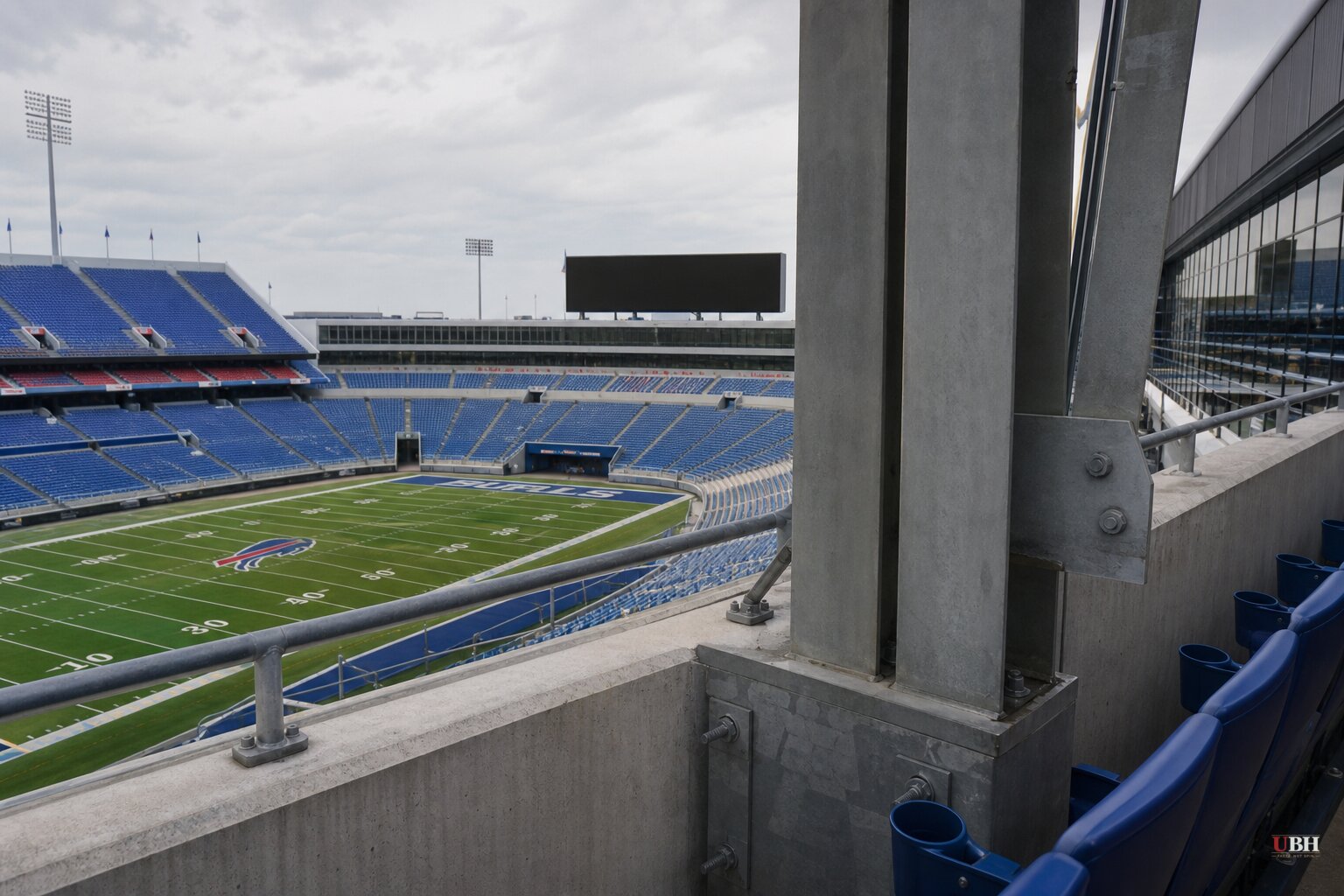
The Buffalo Bills' new $2.2 billion Highmark Stadium is set to open this September as the smallest venue in the NFL: 60,108 seats, down from 71,608 at the old stadium, according to Fortune. New York State and Erie County paid $850 million of the construction cost, the largest public subsidy ever committed to an NFL facility, per Fortune's reporting. New York State put in $600 million. Erie County kicked in $250 million.
Fans who want season tickets now have to buy personal seat licenses, a separate fee just for the right to purchase tickets, running as high as $50,000 per seat, according to Fortune. Get-in prices for opening night were already listed at $663 on the resale market before a single game was played.
Fans soon discovered a sightline problem. Fox News reported that fans posted photos and videos from a Bills practice at the new stadium showing obstructed views and poor rain coverage, and the team went into what Fox News described as "full crisis management mode." Bills COO Pete Guelli held a conference call with reporters to respond, telling Western New York media that "less than one percent" of personal seat license holders had complained about sightlines, and that the team is "confident what was represented via the virtual venue is accurate to what people saw when they sat in their seats." Guelli added the team would handle complaints "on a case-by-case basis."
Guelli's broader point, that every stadium has some limited-view seats, is fair on its face. No arena has zero obstructed sightlines. The question fans are actually asking is whether a $2.2 billion building, funded in large part with their tax dollars, should have as many of them as photos posted online suggested.
Between 1970 and 2020, state and local governments spent $33 billion in public funds on major-league sports arenas across the U.S. and Canada, according to Fortune, with the median public contribution covering 73% of construction costs. In 2024 alone, teams across professional sports proposed more than $13 billion in taxpayer subsidies for new construction and renovations.
Victor Matheson, an economics professor at the College of the Holy Cross who has studied sports subsidies for nearly 30 years, told Fortune: "No one has ever built a new stadium and provided more affordable tickets after that new stadium has opened. It's, in fact, exactly the opposite."
Matheson's research points to a structural incentive: individual teams in most leagues keep revenue from premium seats and luxury boxes to themselves, while television and merchandise money gets pooled league-wide. That pushes every owner toward the same move: strip out cheap seats, add suites, and squeeze more money from fans who can pay it.
The numbers back that up. Average NFL ticket prices nearly tripled from 2015 to 2025, rising 173% after adjusting for inflation, per Fortune. The Kansas City Chiefs' planned new stadium is expected to have roughly 15% fewer seats than Arrowhead Stadium currently holds.
FIFA President Gianni Infantino made the same argument in public when defending high World Cup ticket prices, telling reporters in Mexico City that "if we are doing something wrong, everyone in North America is doing something wrong," and arguing at the Milken Institute conference in April that the U.S. entertainment market simply demands "market rates."
Teams and elected officials who back these subsidies generally argue that new stadiums drive tourism, create construction and service jobs, and keep a beloved franchise from leaving town. That argument deserves to be stated honestly rather than waved away. Losing an NFL team is a real economic and civic cost for a city, and no local politician wants to be the one who let it happen on their watch.
But the economic literature Matheson and others have built over three decades consistently finds that promised local growth from stadium subsidies rarely materializes at the scale claimed, and that the direct beneficiaries are ticket-price-setting owners rather than the general public that funded construction. Taxpayers in Erie County are not getting cheaper seats or better views for their $850 million. They're getting a smaller stadium with pricier tickets, and now a public dispute over whether the sightlines match what they were promised.
New York Gov. Kathy Hochul appeared at the stadium's ribbon-cutting in June, and Fox News noted a separate moment where she tried unsuccessfully to get a Bills chant going with the crowd. Whether the state revisits how it structures future stadium deals, or whether Erie County pursues any recourse over the sightline complaints, remains an open question the Bills have not addressed beyond handling grievances case by case.
Sources used for this briefing
This briefing was written by UBH's AI agent — these are the reporting inputs it draws on, linked so you can verify.


