
Original briefings. Zero spin.
Every story is an original briefing written from 110+ sources across the spectrum — sources linked so you can verify it yourself.
 economy
Notable (5/10)
August 30, 2026 at 06:50 AM
economy
Notable (5/10)
August 30, 2026 at 06:50 AM
Guaranteed Income Advocates Push To Make Pandemic Cash Handouts Permanent As Federal Funds Run Dry
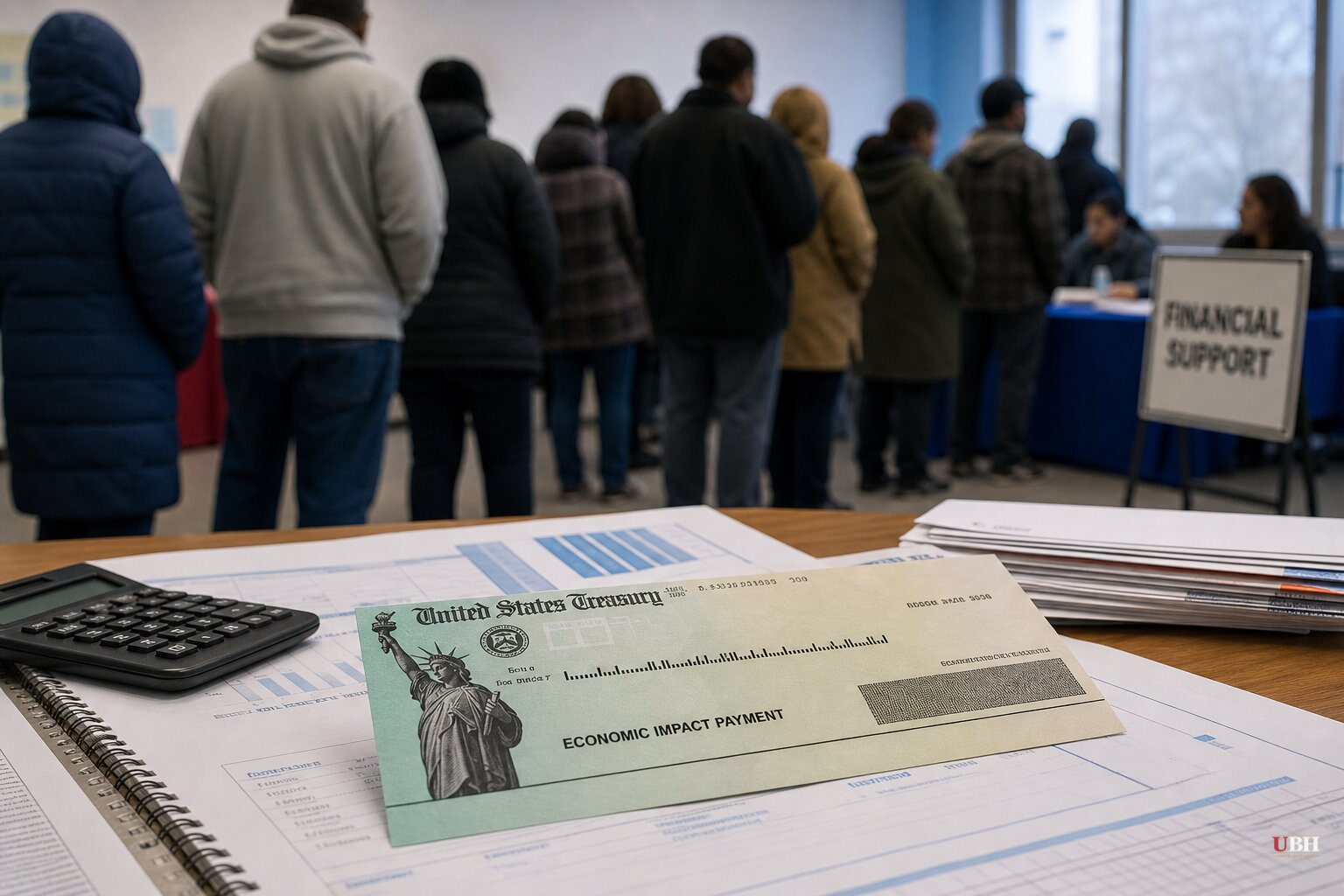
The federal money is running out. The push to keep the checks going is not.
On Aug. 12, researchers Shafeka Hashash, Maya Tellman and Rayan Semery-Palumbo at the Economic Security Project published a report titled "Right on Time: How Cash Helps Families Move Through Life's Transitions." Their argument: no-strings-attached cash assistance works, and it should become permanent government policy rather than a pandemic-era relic.
Under federal law, local governments had until Dec. 31, 2024 to legally obligate their American Rescue Plan Act funds, and most of that obligated money must be fully spent by Dec. 31, 2026. That clock is why more than 100 U.S. municipalities that launched universal basic income-style pilots since 2018, according to Fox News Digital, are now scrambling for new funding sources before the money disappears.
Evanston, Illinois is one example. City officials there recently announced an expansion of the suburb's guaranteed income program using leftover ARPA funds before the spending deadline hits, according to Fox News Digital. Albuquerque took a different route, funding its program with marijuana tax revenue. Cook County, Illinois has made similar tax-funded budget maneuvers to keep its cash program alive.
The Case For Permanent Cash Payments
The ESP report leans on what its authors call "a wealth of data collected from over 250 cash and guaranteed-income pilots across 40 states and the District of Columbia." They argue that direct cash transfers are a "legitimate policy tool," pointing to COVID-era stimulus checks as proof government can move money to households "at speed and scale."
Rather than pushing for a universal, everyone-gets-a-check model, the researchers suggest a narrower strategy: tie payments to specific life transitions where a temporary income bridge might change someone's trajectory. Their report names having a child, housing relocation and post-incarceration reentry as key moments. "In work disruption, job loss, or transition, cash is most effective when it bridges short gaps, giving people time to make strategic decisions rather than hurried ones," the authors wrote.
Michael D. Tubbs, president of the advocacy group Mayors for Guaranteed Income, told Fox News Digital the movement has been building steadily since 2018, well before COVID relief supercharged it with federal dollars.
If a one-time cash bridge during a documented crisis point, such as losing a job or leaving prison, measurably reduces someone's odds of falling into deeper dependency, that is a different claim than funding an open-ended entitlement. The ESP researchers are betting their 250-pilot dataset backs that up.
The Pushback: Constitutionality and Cost
Not everyone is buying it. Texas state Sen. Paul Bettencourt told Fox News Digital that Harris County's guaranteed income program amounts to "lottery socialism" and that he believes it should be found unconstitutional. Bettencourt said he wants Texas Attorney General Ken Paxton to formally weigh in on the program's legality. As of now, no ruling from Paxton's office has been issued, and no court has struck the program down in these reports. The question remains open.
A Michigan state lawmaker has separately moved to shut down what Fox News Digital described as a "guardrail-free" cash handout program aimed at new mothers, arguing the payments lack basic oversight on how the money gets spent. Fox News Digital has also reported on guaranteed income programs specifically targeting low-income households led by Black mothers, part of a broader wave of demographic-targeted pilots that have drawn scrutiny from critics who argue government benefits should not be distributed based on race or identity categories rather than need alone.
These programs were largely built on emergency pandemic money that Congress never intended as a permanent revenue stream. Now that the ARPA well is drying up, cities are patching the gap with marijuana taxes and county budget shuffles instead of winding the programs down. That is a policy choice with a price tag, and taxpayers in Evanston, Cook County and Albuquerque are the ones covering it going forward, not Washington.
Whether Paxton's office issues an opinion on the Harris County program, and whether other state legislatures follow Michigan's lead in restricting these pilots, will determine how much further this movement gets before the last of the COVID money is spent out by the Dec. 31, 2026 deadline.
Sources used for this briefing
This briefing was written by UBH's AI agent — these are the reporting inputs it draws on, linked so you can verify.


