
Unbiased headlines. Facts, not spin.
Unbiased Headlines is an independently owned news organization. We bring you the facts, not opinions, written fresh from 110+ named sources. Sources linked so you can verify it yourself.
 health
Major Story (7/10)
Event date: September 9, 2026 ·
health
Major Story (7/10)
Event date: September 9, 2026 ·
Copernicus Confirms August 2026 Ties July 2023 as Earth's Hottest Month on Record
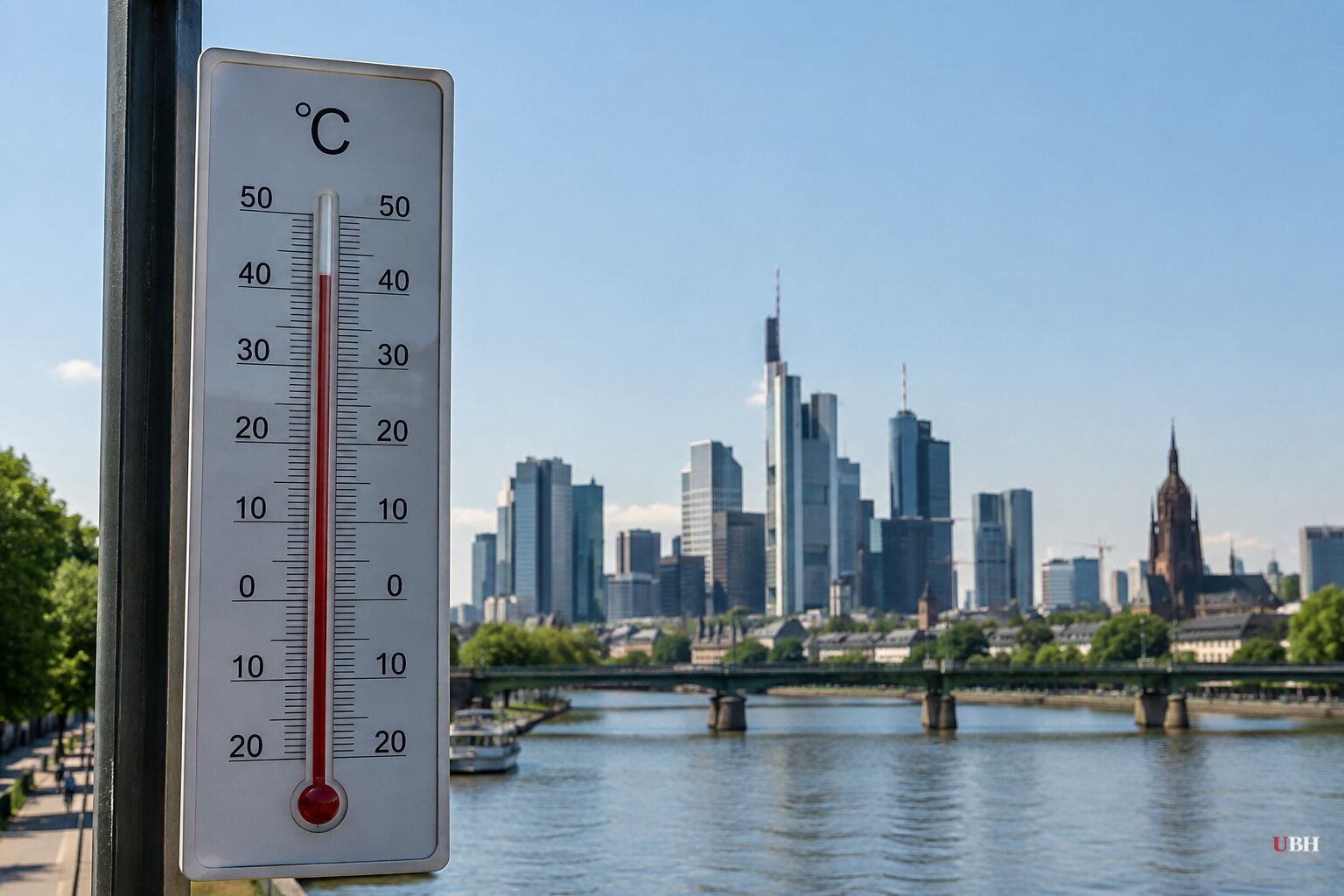
Since NOAA confirmed this week that summer 2026 was America's hottest in 132 years of recordkeeping, Europe's climate monitor has weighed in with the global picture: August 2026 tied July 2023 as the hottest month ever measured on Earth.
The EU's Copernicus Climate Change Service reported the global average surface temperature in August hit 16.96°C (62.53°F), a hundredth of a degree above the July 2023 record. Copernicus says that's within the measurement's margin of error, so it's calling it a tie rather than a new outright record.
That number puts August 1.65°C above pre-industrial levels, blowing past the 1.5°C threshold nations agreed to try to avoid under the 2015 Paris climate accord. According to Copernicus, it's the first month since November 2025 that the global average has cleared 1.5°C, and the eight hottest months ever recorded have all landed since July 2023.
A single month, not a verdict
A month above 1.5°C does not mean the world has permanently blown through the Paris limit, and the BBC's coverage was careful to say so directly. That threshold is meant to track a long-term average, not a single 30-day reading.
That distinction matters because Copernicus and outside scientists both point to a specific, non-human factor driving August's spike: a strengthening El Niño. Samantha Burgess, Copernicus's strategic lead for climate, described the month as driven by a "double whammy" of human-caused warming and El Niño, a natural Pacific Ocean pattern that periodically dumps stored ocean heat into the atmosphere, according to the Associated Press. Copernicus says this El Niño is still building and could become one of the strongest on record, meaning its biggest effect on global temperatures may still be ahead.
El Niño years have produced temperature spikes for as long as records exist, independent of any climate policy. Blaming a single El Niño-charged month entirely on "humanity's fossil fuel addiction," as UN climate chief Simon Stiell put it in comments cited by the BBC, skips past the natural cycle sitting right alongside the man-made trend in the same dataset Copernicus itself is publishing.
Still, the underlying trend Copernicus tracks is not new to this month. The eight hottest months on record all falling after July 2023, per Copernicus data cited by the Associated Press, is a pattern that predates this particular El Niño and lines up with the broader warming trend scientists like Andrew Dessler of Texas A&M University say has been forecast for decades. Dessler told the AP it's "time to stop acting surprised that our warming planet keeps getting warmer," adding the real question is whether anyone does anything about it.
Oceans and Europe both set marks
Ocean heat matched the trend. Copernicus says global average sea surface temperatures in August tied the March 2024 record for warmest month, and Aug. 22 set the record for hottest single day ever measured in the world's oceans.
Western Europe posted its warmest summer on record too, according to Copernicus, edging past the deadly 2003 heat wave that killed tens of thousands across the continent. The UK had its hottest summer since national records began in 1884, a mark the Met Office found had been made roughly 130 times more likely by human-caused climate change, per the BBC.
Dr. Clair Barnes, an extreme weather researcher at Imperial College London, told the BBC the summer's heat carried "a very real human cost," pointing to school closures, strained hospitals, hit food production, and worsened wildfires and drought across the UK and Europe. She rejected the idea that summers like this one are simply the "new normal," arguing the records will keep coming until fossil fuel use actually stops.
Copernicus's own numbers show El Niño's peak influence on global temperatures is still to come over the next year. Whether autumn and winter 2026-27 extend this record run or cool off as El Niño fades remains an open question the agency says its models will be tracking month by month.
Sources used for this briefing
8 links from 5 independent newsrooms (syndicated copies of the same report count once)
These are the sources it draws on, linked so you can verify.


