
Unbiased headlines. Facts, not spin.
Unbiased Headlines is an independently owned news organization. We bring you the facts, not opinions, written fresh from 110+ named sources. Sources linked so you can verify it yourself.
 health
Notable (5/10)
Indian Oncologists Report Immunotherapy Prescriptions Rising as Cheaper Nivolumab Biosimilar Cuts Cycle Cost to Rs 30,000
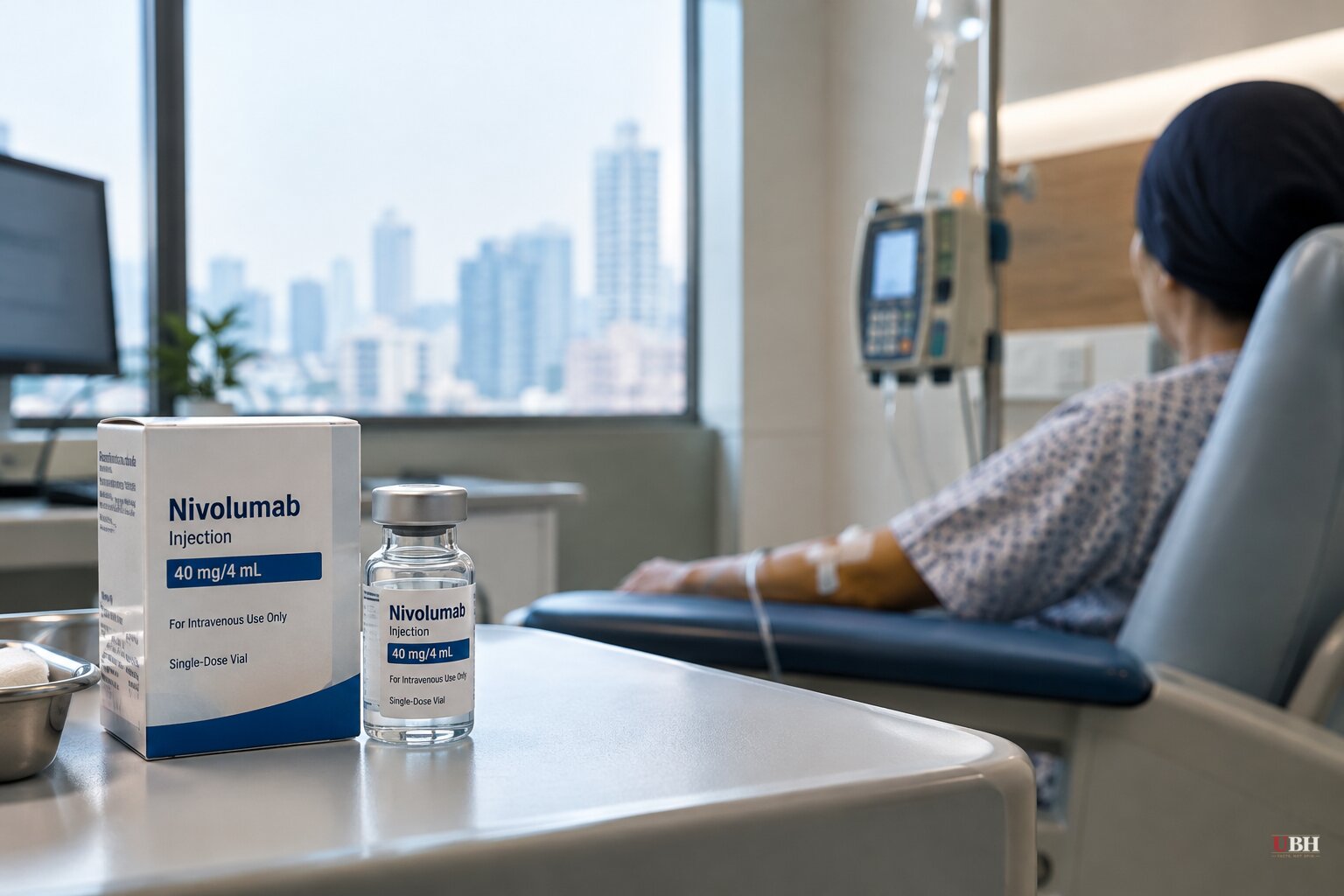
A cheaper copy of a major cancer drug is changing who gets treated in India. A very different picture is showing up in Ireland.
Mumbai: price drops, prescriptions climb
Over the past six months, more patients in India have been prescribed immunotherapy, according to oncologists at several Mumbai hospitals. The drug at the center is nivolumab. Tata Memorial Centre doctors say it is "effective in 25 tumours and has about 100 indications."
The change followed the arrival of a cheaper biosimilar version of the drug.
Dr Imran Shaikh of Kokilaben Dhirubhai Ambani Hospital in Andheri told the Times of India his nivolumab prescriptions have risen by more than 50% in six months. "My patients are responding well to the drug," he said. "People who were earlier unsure whether they could afford a cycle costing over a lakh of rupees are comfortable with the new price tag of Rs 30,000."
The 50% figure comes from one physician's practice. The Times of India says it is too early to quantify the overall increase in prescriptions. Dr Jyoti Bajpai, director of precision oncology at Apollo Hospitals in Navi Mumbai, says there has been a "substantial increase" in prescriptions but gave no number.
How far behind India started
The access gap was wide. A Tata Memorial Centre study found that in 2022 only 2.8% of patients eligible for immunotherapy were receiving it. Bajpai co-authored that study while at TMC.
Cost was the barrier. A cycle costing over a lakh of rupees put the drug out of reach for many patients.
What the drugs do
Dr Kumar Prabhash, head of medical oncology at Tata Memorial Hospital in Parel, points to melanoma as the clearest example. "Earlier barely five out of 100 patients had long-term survival, but survival has now increased to 50% with immunotherapy," he said. He added that some patients diagnosed with advanced lung cancer are now living five years or longer.
A second cost lever is dosing. Indian research, including TMC studies, suggests lower doses may work well in Indian patients in certain settings, potentially reducing treatment costs. The research applies only in certain settings.
Ireland: biosimilars exist, savings lag
Ireland shows what happens when cheaper options are available but not widely used. A commentary in the International Journal of Clinical Pharmacy found that cancer drug costs in Irish hospitals rose from €4.7 million in 2013 to €151 million in 2022, an increase exceeding 3,100%.
The Health Service Executive has reported low overall biosimilar uptake, with usage varying widely between hospitals, even though biosimilars have demonstrated comparable quality, safety and efficacy to their reference biologics in oncology.
The commentary identifies resistance to substitution at the community pharmacy level as one barrier to uptake.
The global backdrop is steep. Spending on cancer drugs is expected to climb from $223 billion in 2023 to $409 billion in 2028, driven largely by the continued authorization of new biologic therapies. Cancer cases are projected to rise by nearly 60% globally over the next decade.
What the two cases show
The Indian figures are early, anecdotal and tied to a single drug. The Irish commentary does not break out how much of the 3,100% cost increase reflects higher per-patient prices versus more patients receiving longer courses of treatment, so the rise cannot be pinned solely on slow biosimilar adoption. The commentary itself frames low uptake as a missed opportunity to blunt the growth.
Both cases still point to the same variable. Where a lower-priced version reached patients, doctors report more people being treated. Where uptake lagged, the budget kept climbing.
The open question in India is scale. Doctors say it is too early to quantify the overall rise in prescriptions. K M Gopakumar of Third World Network cautioned that hospitals requiring patients to buy medicines through their own pharmacies may have little incentive to stock cheaper alternatives. Whether the Mumbai experience reflects the country or just a few large hospitals remains to be seen.
Sources used for this briefing
2 links from 2 independent newsrooms (syndicated copies of the same report count once)
These are the sources it draws on, linked so you can verify.


