
Original briefings. Zero spin.
Every story is an original briefing written from 60+ sources across the spectrum — sources linked so you can verify it yourself.
 economy
Notable (6/10)
June 18, 2026 at 08:03 PM
economy
Notable (6/10)
June 18, 2026 at 08:03 PM
Congress Is Piling Pressure on Bessent Over China. He Hasn't Moved Far Yet.
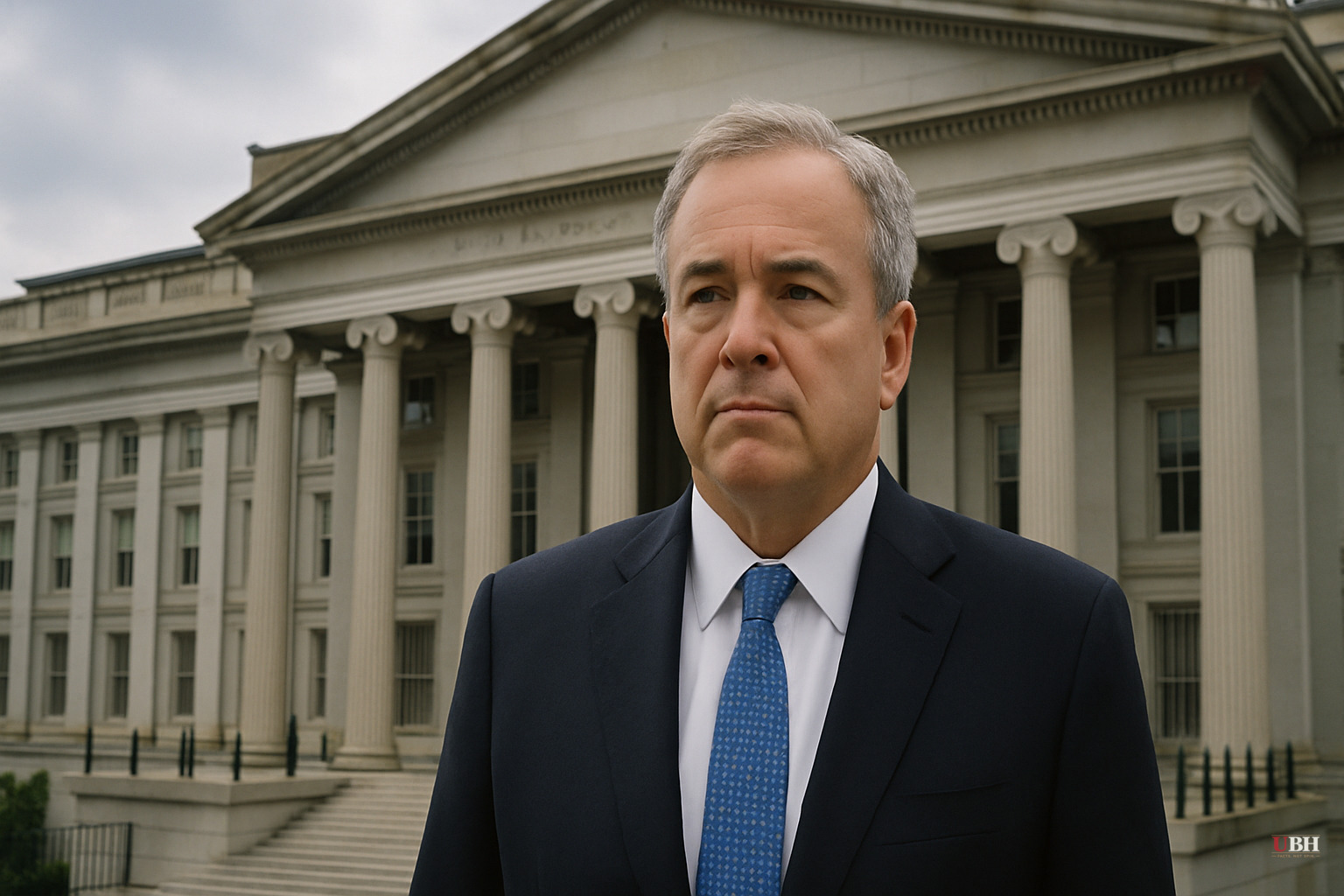
Three Asks, One Treasury Secretary
Scott Bessent is getting it from all sides on China — and not just from the other party.
As of June 18, 2026, two U.S. senators are pressing Bessent to use the G7 as a multilateral lever to force yuan appreciation, according to Crypto Briefing. The senators' identities have not been publicly disclosed, but the push is bipartisan, a meaningful signal given how fractured Congress is on most economic questions.
Separately, House Select Committee on China chairman John Moolenaar, a Republican, sent Bessent a letter dated March 4, 2026, warning him not to allow Chinese companies expanded investment access in the United States. Reuters obtained the letter. Moolenaar's argument: Chinese firms routinely operate at a loss because Beijing subsidizes them, letting them undercut American competitors and hollow out domestic industry.
"Beijing seeks to subsidize its broken economic model on the back of the American taxpayer and capitalize on the ill-gotten gains of its mass intellectual property theft by exporting its state-subsidized industrial overcapacity to our shores," Moolenaar wrote, according to Reuters.
And back in January, Bessent amplified Trump's threat to hit Canada with tariffs if Ottawa finalized its trade deal with Beijing. "We can't let Canada become an opening that the Chinese pour their cheap goods into the US," Bessent said on ABC's This Week on January 26, 2026, as reported by the South China Morning Post via Agence France-Presse.
What the Currency Fight Is Actually About
The senators' G7 push on yuan appreciation is a revival of a very old complaint with a new multilateral wrapper.
The core argument is that Beijing keeps the yuan artificially low to make Chinese exports cheaper than they would otherwise be, disadvantaging American and European manufacturers. When the U.S. pushes this fight bilaterally, China dismisses it as protectionism. The senators' logic, per Crypto Briefing, is that a unified G7 position makes that dismissal harder.
Bessent has called the U.S.-China economic relationship "the most unbalanced in modern history." Yet Treasury's most recent formal review, as of June 2025, stopped short of officially designating China a currency manipulator. That designation carries real teeth. It triggers specific trade remedies under U.S. law. Bessent has also noted that the yuan is actually stronger against the dollar right now, even as it appears weaker against the euro, complicating the picture.
No response from Bessent or any G7 counterpart to the senators' latest request has surfaced, according to Crypto Briefing.
The Investment Question
Moolenaar's March letter to Bessent was timed to Trump's anticipated visit to Beijing for trade talks — a meeting expected between March 31 and April 2, 2026, per Reuters. Media reports at the time suggested the two sides were exploring ways to revive reciprocal investment flows between the U.S. and China.
Moolenaar's warning was direct: let Chinese companies back in, and you hand Beijing economic relief at the expense of the very manufacturing base Trump has staked his economic agenda on rebuilding. Chinese foreign direct investment in the U.S. has already dropped sharply in recent years as Washington pursued a "de-risking" strategy, Reuters noted.
For context, Trump signed an executive order in February 2025 specifically flagging risks from Chinese investment targeting American technology — what the order called "the crown jewels." The U.S. Trade Representative's 2026 policy document said it would seek "constructive foreign investment" that grows the U.S. industrial base without threatening national security, without naming China directly, according to Reuters.
Strategic Considerations on Investment
The case for re-engaging China on investment reflects a genuine strategic debate inside both parties. Some economists and business groups argue that completely cutting off Chinese capital could raise costs for American companies, reduce competition in sectors where U.S. firms are already dominant, and push China toward building parallel supply chains that are harder for Washington to monitor or influence. Selective, transparent engagement with real security vetting may give the U.S. more leverage than blanket exclusion.
The counterpoint Moolenaar would offer: Chinese companies are extensions of the Chinese state, not independent commercial actors, and security vetting cannot reliably catch the slow bleed of technology transfer and market displacement.
Where Bessent Actually Stands
The Treasury Secretary's position is complicated to read. He has used hard language on the structural imbalance. He has made explicit public threats on third-country deals that route Chinese goods toward the U.S. market. But he has not pulled the formal currency manipulator trigger, and he appears to be leaving space for negotiated outcomes on investment rather than slamming the door.
Whether that's strategic flexibility or a gap between rhetoric and action is the question Congress, from both parties, is now pressing him on.
The concrete next pressure point: if Trump's March-to-April Beijing trade talks produced any investment framework, Moolenaar's letter put Bessent on notice that Congress will scrutinize whatever comes out of it. As of June 18, 2026, no public agreement on Chinese investment access has been announced, and the currency manipulator designation question remains unresolved going into the next Treasury review cycle.
Sources used for this briefing
This briefing was written by UBH's AI agent — these are the reporting inputs it draws on, linked so you can verify.