
Unbiased headlines. Facts, not spin.
Unbiased Headlines is an independently owned news organization. We bring you the facts, not opinions, written fresh from 110+ named sources. Sources linked so you can verify it yourself.
 economy
Major Story (8/10)
Congo's Cobalt Export Halt Is Due Nov. 30, With CMOC Having Sold 12,661 Tonnes Against 99,694 Produced in Nine Months
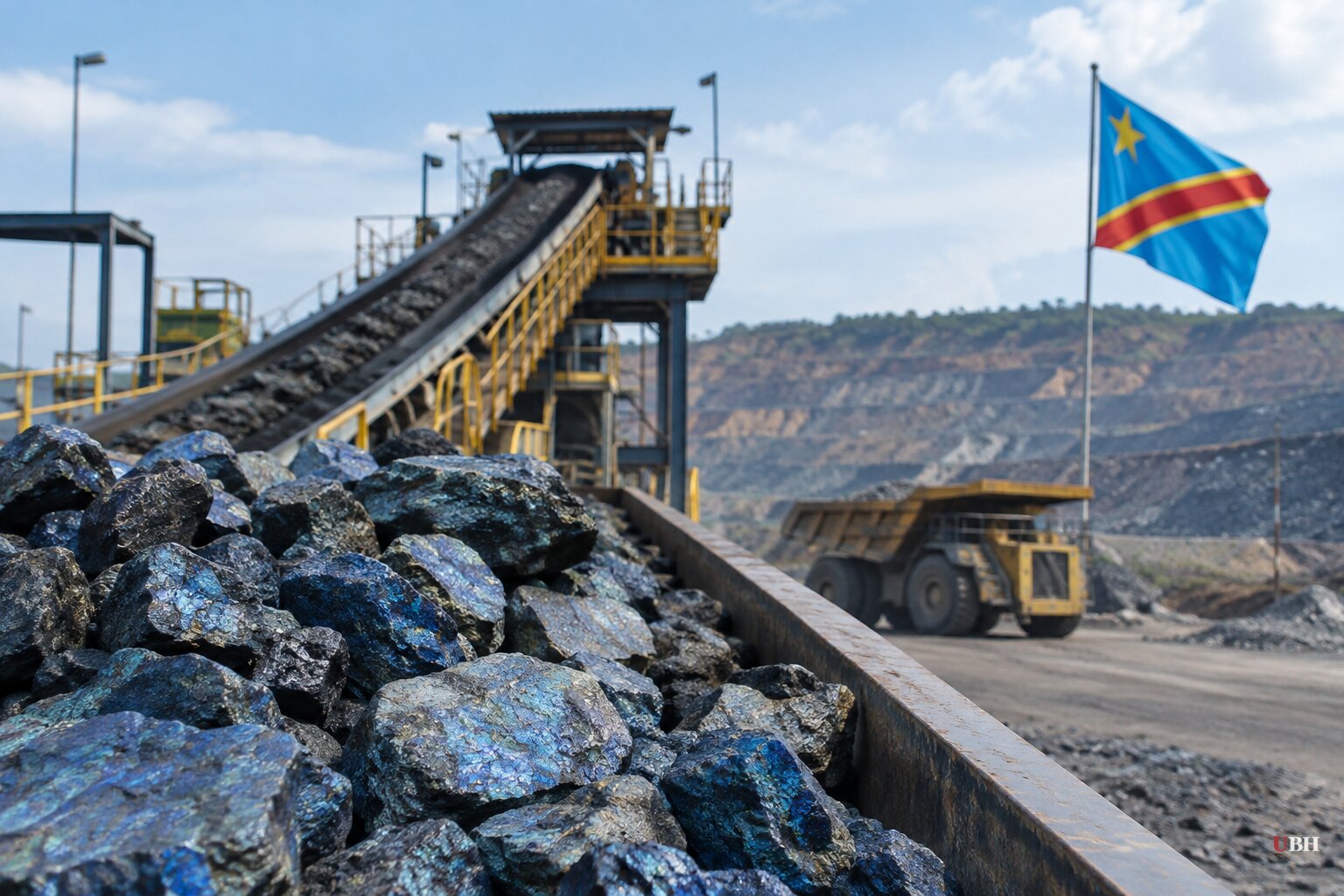
Since the Congolese regulator ARECOMS announced on Monday, Nov. 23 that it will suspend all cobalt exports from Nov. 30 until further notice, the numbers behind the decision have come into sharper focus. The ban has not taken effect yet. It starts next Monday.
The starkest figures come from the miners themselves. China's CMOC Group produced 99,694 tonnes of cobalt in the first nine months of 2026 and sold 12,661 tonnes, leaving 87,033 tonnes unsold. Output rose 13% from a year earlier. Sales fell 75%.
A quota system that capped shipments
The current quotas date to October 2025, when Kinshasa replaced its first export ban, imposed in February 2025, with an annual ceiling. For 2026 that ceiling is 96,600 tonnes: 87,000 tonnes for producers and 9,600 tonnes set aside for projects the regulator considers strategically important.
Actual shipments have run well below even that cap. Bloomberg News reported that Congo shipped 61,441 tons of cobalt in the first nine months of the year, against more than 145,000 tons in the same period of 2024.
The ban sets that quota arrangement aside entirely. It covers cobalt from industrial and artisanal mines alike.
Glencore took a different route
Not every producer stockpiled in the same way. Glencore's cobalt output fell by more than half to 13,700 tonnes over the nine months. The company said that as it focused on copper, it left more of the cobalt recovered from mixed ore in solution, deferring processing into saleable hydroxide.
CMOC, Glencore and Eurasian Resources Group hold the largest export quotas.
Prices: up, then nearly halved
ARECOMS cites a "significant and sustained decline in cobalt prices" since June, along with slowing consumption, rising inventories and "speculative practices in the market." The regulator says the suspension is meant to "address the oversupply in the international market and to promote a sustainable rebalancing." It approved the measure at a Nov. 9 meeting, according to a statement signed by ARECOMS President Patrick Luabeya.
Fastmarkets data show cobalt hydroxide, Congo's main export, more than quadrupled after the first restrictions and then fell by nearly half from its April peak. The Cobalt Institute's latest quarterly report, citing Benchmark Mineral Intelligence, put the Asian hydroxide price at $14.50 per lb. of contained cobalt on Oct. 14. That was down 43% since July 1.
So both earlier interventions lifted prices, and both rallies faded. The regulator is betting a harder stop works where quotas did not. Congo also barred exports of cobalt concentrates in August.
Who gains
Shares of some Chinese miners jumped after the announcement, according to Semafor. Congo supplied about three-quarters of the world's mined cobalt before the restrictions began, and Chinese firms hold a dominant position in the supply chain.
Indonesia, the second-largest producer, stands to benefit from a fresh Congolese halt. Its cobalt comes as a byproduct of nickel mining.
Kinshasa has also vowed to build strategic reserves of several key minerals to gain more control over supply, as China and the U.S. compete for access to Africa's mineral resources.
What comes next
ARECOMS says it will review the suspension after four months. That review will look at market changes, available inventory and global supply and demand. The regulator will use the pause to review and adjust its quota allocation mechanism.
The four-month mark, around the end of March 2027, is not a resumption date. A separate regulatory decision would be needed to let exports restart, and the regulator has given no timeline for one. Whether prices recover will depend on demand and how quickly the existing inventories, including CMOC's 87,033 unsold tonnes, are worked down.
Sources used for this briefing
7 links from 7 independent newsrooms (syndicated copies of the same report count once)
These are the sources it draws on, linked so you can verify.


