
Unbiased headlines. Facts, not spin.
Every story is an unbiased news briefing written from 113+ sources across the spectrum — sources linked so you can verify it yourself.
 health
Major Story (7/10)
October 1, 2026 at 10:54 AM
health
Major Story (7/10)
October 1, 2026 at 10:54 AM
Congolese Ruling-Party Official Beaten to Death After Defending Ebola Response on Radio
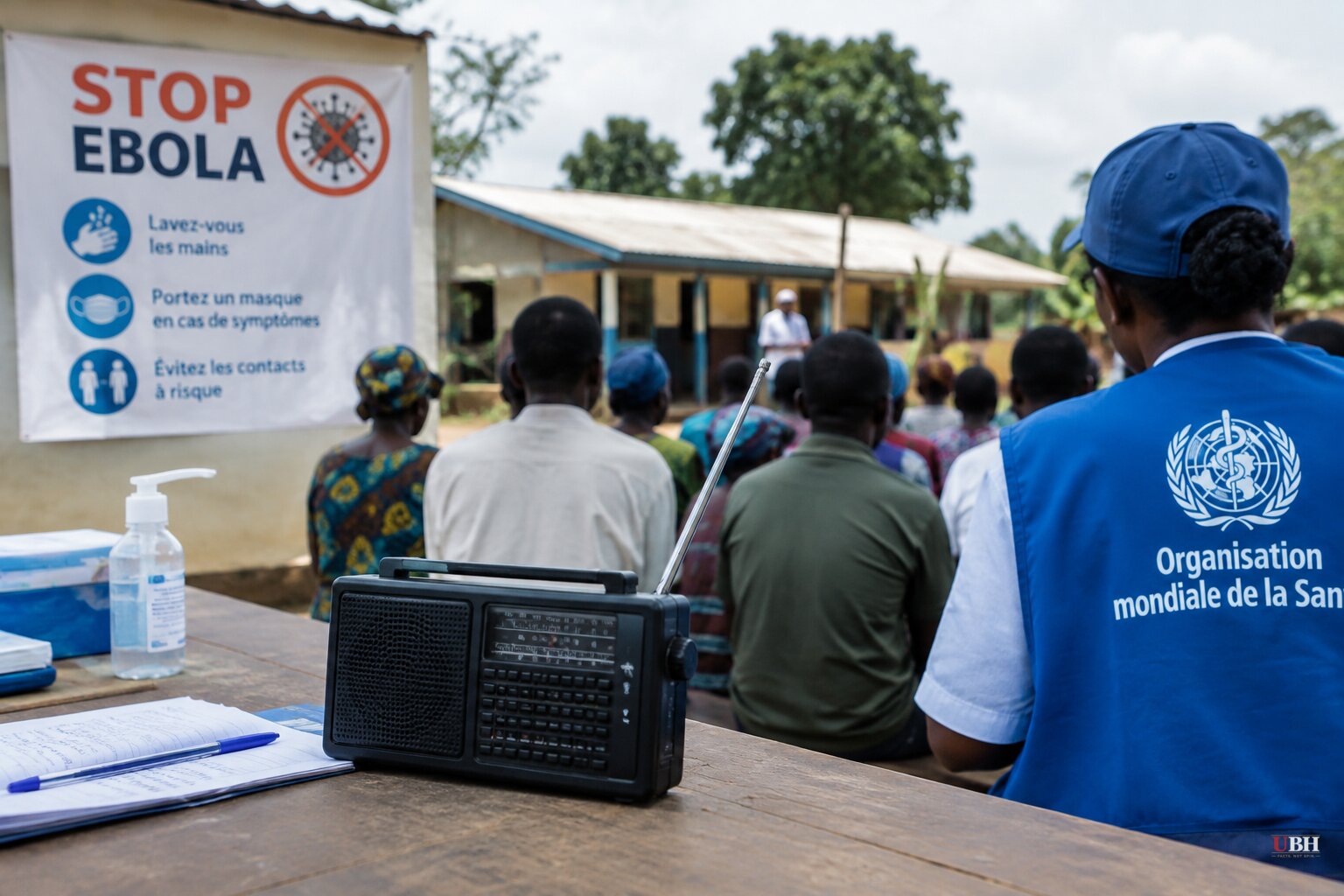
Since the Democratic Republic of Congo declared its 17th Ebola outbreak on May 15, the virus has spread across seven provinces and killed nearly 4,000 people. The newest casualty isn't a patient. It's a politician who tried to convince his neighbors the disease is real.
Marie-Célestin Karondwa, acting federal president of the ruling Union for Democracy and Social Progress (UDPS) party in Butembo, appeared on a local radio program Sunday, September 27, urging residents to follow social distancing and handwashing rules, according to the Associated Press and the UDPS federation in Butembo. Hours later, attackers descended on his home, beat him, looted his belongings, and set the house on fire, the party said.
"They beat him up and then set the house alight," his granddaughter, Sagesse Kavira, told the Associated Press at his funeral on Wednesday. Karondwa died of his injuries at a local hospital. Mourners buried him in Butembo that same day.
A Pattern, Not an Isolated Attack
Karondwa's death is not a one-off. The day before he was killed, armed men attacked a hand-washing checkpoint in nearby Beni territory, killing at least one person and wounding several others, according to a local civil society group cited by Reuters and GMA Network. The Butembo mayor's office did not respond to requests for comment from either outlet.
Jean-Baptiste Katsongo Lwatswa, UDPS's first federal vice-president in Butembo, told the AP that Karondwa's radio appeal "is believed to have provoked the anger of certain young people." It remains unclear who carried out the attack, how many people were involved, or their specific motive. No arrests have been announced.
UDPS, which leads the national government, called Karondwa "an innocent victim for having defended the party's position on the existence of the Ebola virus disease ... and the threat it poses to the population."
The Numbers Behind the Fear
Government data released Monday put the national case count at 8,067, with 3,901 deaths, according to Reuters reporting carried by GMA Network. North Kivu province, where Butembo sits, has recorded 1,523 cases and 906 deaths, per Breitbart's reporting of the same government figures. The World Health Organization says Ituri province remains the hardest hit overall.
The outbreak is driven by the Bundibugyo strain of Ebola, for which there is no approved vaccine or specific treatment, the WHO says. Researchers are running clinical trials on potential vaccine candidates among frontline health workers in Ituri, according to Ground News's aggregation of WHO data. The WHO has separately warned that the "continuously high crude case fatality ratio" and the high rate of deaths occurring outside medical facilities show the outbreak is still outrunning the response, Breitbart reported, citing the agency's own assessment.
Why People Don't Believe It's Real
Deep public distrust of the Congolese government underlies much of the resistance to outbreak messaging. La Nación, drawing on AP reporting, attributes that mistrust to a combination of factors including how the government handled past Ebola outbreaks and "chronic corruption." Residents interviewed by the AP, including Butembo resident Enoch Muhindo Balimatangi, described genuine confusion and fear: "Some say that the illness exists, while others refuse to accept that it does. That's frightening!"
The AP and Al Jazeera report that many residents believe Ebola is a hoax invented by officials to siphon off international aid money. No source in this story has documented actual embezzlement tied to this outbreak, but the belief is driving real violence.
Breitbart's coverage states that "others believe the disease is a biological weapon, deliberately spread by government doctors or foreign interests," a claim not attributed to a named source and not found in the AP's original wire reporting used by Al Jazeera, Yahoo News, or La Nación. That specific framing appears to be Breitbart's own characterization rather than something documented by health officials or residents on the record.
Eastern DRC's rebel-controlled territories compound the problem. La Nación notes that decades of armed conflict and documented human rights abuses have left residents wary of both state authorities and international responders, a dynamic health workers say makes village-level trust-building far harder than simply distributing vaccines or masks.
What's Unresolved
No one has been arrested in Karondwa's killing as of Wednesday's funeral. The identity and motive of the Beni checkpoint attackers also remain unconfirmed. The WHO has not said whether it will adjust its village-based outreach strategy in response to the violence, and it's unclear whether Congolese authorities plan additional security for health workers and local officials speaking publicly about the outbreak going forward.
Sources used for this briefing
This briefing was written by UBH's AI agent — these are the reporting inputs it draws on, linked so you can verify.


