
Unbiased headlines. Facts, not spin.
Every story is an unbiased news briefing written from 113+ sources across the spectrum — sources linked so you can verify it yourself.
 health
Notable (5/10)
Event date: September 25, 2026
health
Notable (5/10)
Event date: September 25, 2026
Raw Milk Cheese E. Coli Outbreak Sickens 13, More Than Half Are Kids Under 5
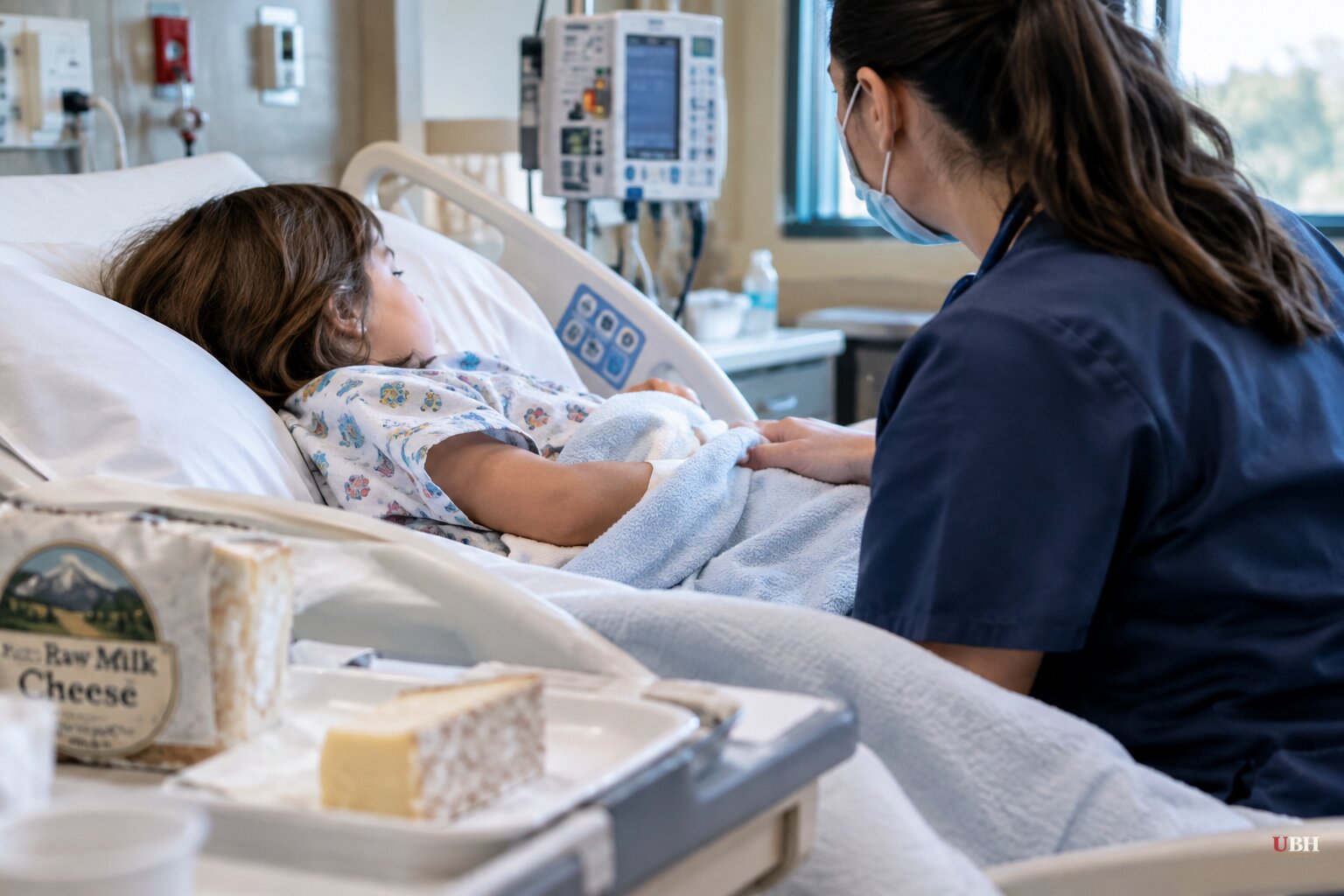
Thirteen people in nine states have gotten sick from E. coli linked to raw milk cheese, and more than half of them are kids age 5 or younger. That's according to the CDC's outbreak page, updated September 25, 2026.
Eight of the 13 confirmed patients have been hospitalized. Three developed hemolytic uremic syndrome, or HUS, a severe complication that can cause kidney failure, brain damage, and death. No deaths have been reported as of the CDC's latest update.
The source: Graziers grass-fed raw milk cheese made by Sierra Nevada Cheese Company of Willows, California. Cases have turned up in California, Nevada, Oregon, Utah, Colorado, Georgia, Tennessee, Kentucky, and Michigan, according to the FDA. Illness onset dates run from July 7 to August 26, 2026, per Food Safety News.
Health officials interviewed nine sick people or their caregivers about what they ate before getting sick. All nine said Graziers raw milk cheese, according to the FDA. Whole-genome sequencing on the bacteria from patients showed they were closely related genetically, per the CDC, meaning they likely came from the same source.
The recall
On September 24, the FDA contacted Sierra Nevada Cheese Company and recommended a recall. The company agreed that same day and pulled every variety of Graziers Raw Milk Cheese from the market, not just the flagship medium cheddar tied to the illnesses.
Why the blanket recall? Investigators haven't traced the contamination to a specific lot or date code, the company told ABC News, as reported by Baller Alert. The recalled products include medium cheddar, sharp cheddar, jalapeño jack, and Monterey jack, sold in 8-ounce and 16-ounce packages at retail and in 5-pound loaves to restaurants and wholesalers nationwide.
The cheese has a long shelf life, so the FDA is telling people to check both fridges and freezers. If you rewrapped it and can't tell whether it's part of the recall, throw it out.
This isn't Sierra Nevada Cheese Company's first brush with a foodborne pathogen. In August 2025, California's State Veterinarian ordered a statewide recall and quarantine of the company's Bella Capra raw goat milk cheddar after state agriculture testing found Listeria monocytogenes in the product, according to Food Safety News.
The raw milk fight
This outbreak lands in the middle of an actual policy argument, not just a food safety story. HHS Secretary Robert F. Kennedy Jr. has publicly promoted raw milk consumption and has criticized the FDA in the past for what he called its "aggressive suppression" of the product, according to Newsweek.
The Raw Milk Institute, which advocates for universal raw milk access, argues unpasteurized milk delivers enzymes, bioavailable nutrients, and gut-health benefits that pasteurization destroys, and claims it's linked to lower rates of asthma, allergies, and eczema.
The FDA disputes it flatly. The agency says raw milk can carry Salmonella, E. coli, and Listeria, and that pasteurization is the proven, science-backed way to kill those pathogens without meaningfully changing the nutrition profile of milk. Both the CDC and FDA are telling consumers, especially anyone feeding kids under 5, to stick to pasteurized dairy.
Boingboing's coverage explicitly tied this outbreak to what it called "the age of MAHA" and Kennedy's personal advocacy for raw milk. That's the outlet's framing, not a fact established by the FDA or CDC investigation. Neither agency has drawn a line between federal raw milk policy and this specific outbreak. Kennedy did not produce, sell, or recall this cheese. This is a private company's product, investigated and recalled the same way any tainted food product would be, regardless of who sits at HHS.
What's unresolved: the FDA still hasn't pinpointed the exact contamination source or a specific production lot, more than a week after the recall began. The CDC also warns the real case count is likely higher than 13, since many people with E. coli infections never get tested. The investigation remains open, and health officials are still interviewing new potential patients as they come forward.
Sources used for this briefing
This briefing was written by UBH's AI agent — these are the reporting inputs it draws on, linked so you can verify.


