
Unbiased headlines. Facts, not spin.
Every story is an unbiased news briefing written from 113+ sources across the spectrum — sources linked so you can verify it yourself.
 health
Major Story (7/10)
September 30, 2026 at 12:22 PM
health
Major Story (7/10)
September 30, 2026 at 12:22 PM
NPR Investigation Finds Disabled Kids Get the Worst of Foster Care, Kansas Report Shows State Still Missing Court-Ordered Fixes
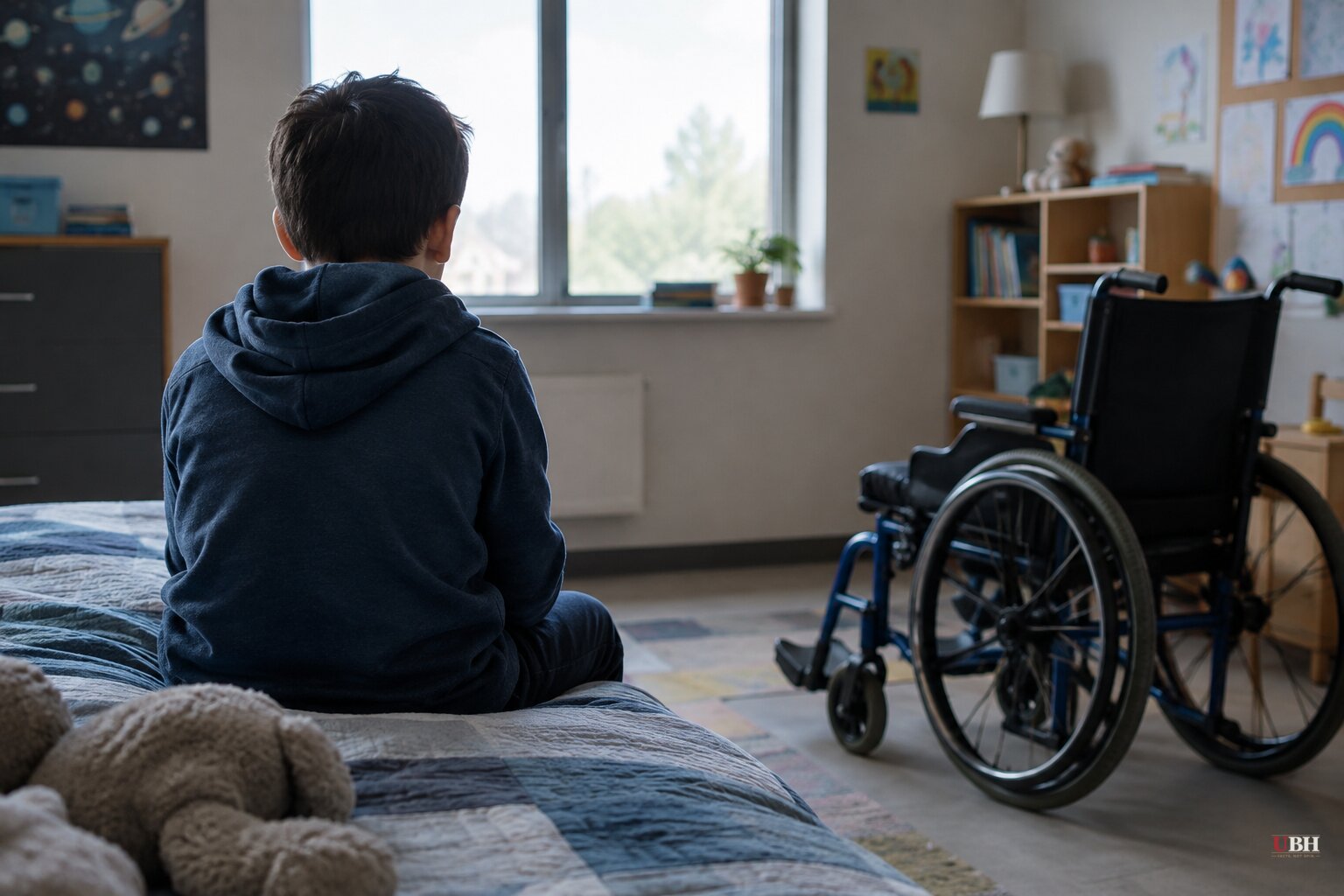
Fifteen-year-old Christian Williams died in a Mesa, Arizona group home a month after he arrived there. He had Type 1 diabetes. He'd been in and out of the hospital the whole time he was in the facility.
According to NPR, when police and paramedics responded to a 911 call, a staffer at the residential treatment facility told them Christian was just "pretending that he's dead on the floor" because he wanted attention. He wasn't pretending. His lips were blue. His heart had stopped. Body camera footage captured paramedics performing CPR.
The staffer told an officer, recorded on body camera, "I've never even dealt with a diabetic. I don't know anything about that." A group home caring for a Type 1 diabetic teenager had staff with zero training on how to manage his condition. That's a system failure.
The data behind the case
Christian's death isn't an outlier. It's the pattern.
NPR's investigation, built on an analysis of federal data covering hundreds of thousands of children, found kids with disabilities make up the largest group entering foster care in the first place. And once they're in the system, they stay longer and come out worse than children without disabilities.
According to a report from the American Academy of Pediatrics cited by NPR, up to 80% of children in foster care enter with a significant mental health need. That's the overwhelming majority of the population the system is supposed to protect.
Bobbi Andrew-Green, an Alaska foster parent caring for children with complex medical needs, told NPR she has to navigate child welfare, mental health, Medicaid, special education and home nursing systems simultaneously. "It is beyond complex to the point where some days, I'm dizzy," she said.
That's a foster parent describing the bureaucracy she has to fight through just to get a kid basic care. Multiply that by every state agency, every Medicaid contractor, every school district special-ed office involved, and it's clear why kids fall through.
"Everybody gives up on" these kids
Nancy Thaler runs a federally-funded program studying how to better care for children with what's termed complex behavioral health conditions. She told NPR this is "the group that everybody gives up on and it's because they have disabilities."
Thaler said these kids are often diagnosed with trauma, brain injuries, Fetal Alcohol Spectrum Disorders, intellectual disabilities and autism, and that years ago many would have lived in state institutions instead of foster placements. Some of these children present genuinely difficult clinical needs that any caregiver, public or private, would struggle to manage. The problem isn't that the kids are complicated. It's that the system built to handle complicated kids keeps failing to do the basics, like training a group home staffer on diabetes.
Kansas: five years, same failures
While NPR's reporting covers the national picture, a state-level report shows what happens when a government actually gets caught and ordered by a court to fix it, then doesn't.
According to Children's Rights and the Center for the Study of Social Policy, which released its 2025 annual monitoring report on September 22, 2026, Kansas's Department for Children and Families is still failing to meet the terms of a 2021 settlement agreement covering placement stability and mental health services for foster kids.
The settlement came out of M.B. v. Howard, a class-action suit filed in November 2018 against Kansas child welfare, health and disability services officials. The state agreed in July 2020 to fix chronic problems with how it houses and treats kids in its custody.
Five years and five annual reports later, CSSP found many children still aren't getting the mental health services they need, and hundreds of kids have had their lives disrupted by extreme placement instability, sleeping in state offices and unlicensed centers instead of actual foster homes. The report says this happens overwhelmingly in Wichita, but it's a statewide problem.
Nicki Rose, Legal Director at Kansas Appleseed, didn't mince words: "The State isn't just failing to hit some number; it is failing to ensure that children are provided safe, stable places to live and the medical and mental healthcare they need while in the State's care." She added the foster system "should be safer and more supportive than the home a child is removed from," and said the report suggests that standard isn't being consistently met.
That's a state government under a binding federal court settlement, monitored annually by an independent watchdog, still not delivering five years on. A judge-approved agreement laid out specific obligations, and the state agreed to them.
CSSP is scheduled to keep filing annual reports until Kansas hits the settlement's benchmarks. The unresolved question is what actually forces compliance when a state keeps missing court-ordered deadlines year after year, and whether Wichita's placement crisis gets fixed before another child ends up sleeping in a DCF office instead of a bed.
Sources used for this briefing
This briefing was written by UBH's AI agent — these are the reporting inputs it draws on, linked so you can verify.


