
Unbiased headlines. Facts, not spin.
Every story is an unbiased news briefing written from 110+ sources across the spectrum — sources linked so you can verify it yourself.
 energy
Notable (6/10)
July 17, 2026 at 09:41 PM
energy
Notable (6/10)
July 17, 2026 at 09:41 PM
Colombia's Election Winner De la Espriella Set to Reverse Petro's Fossil Fuel Exit Plan
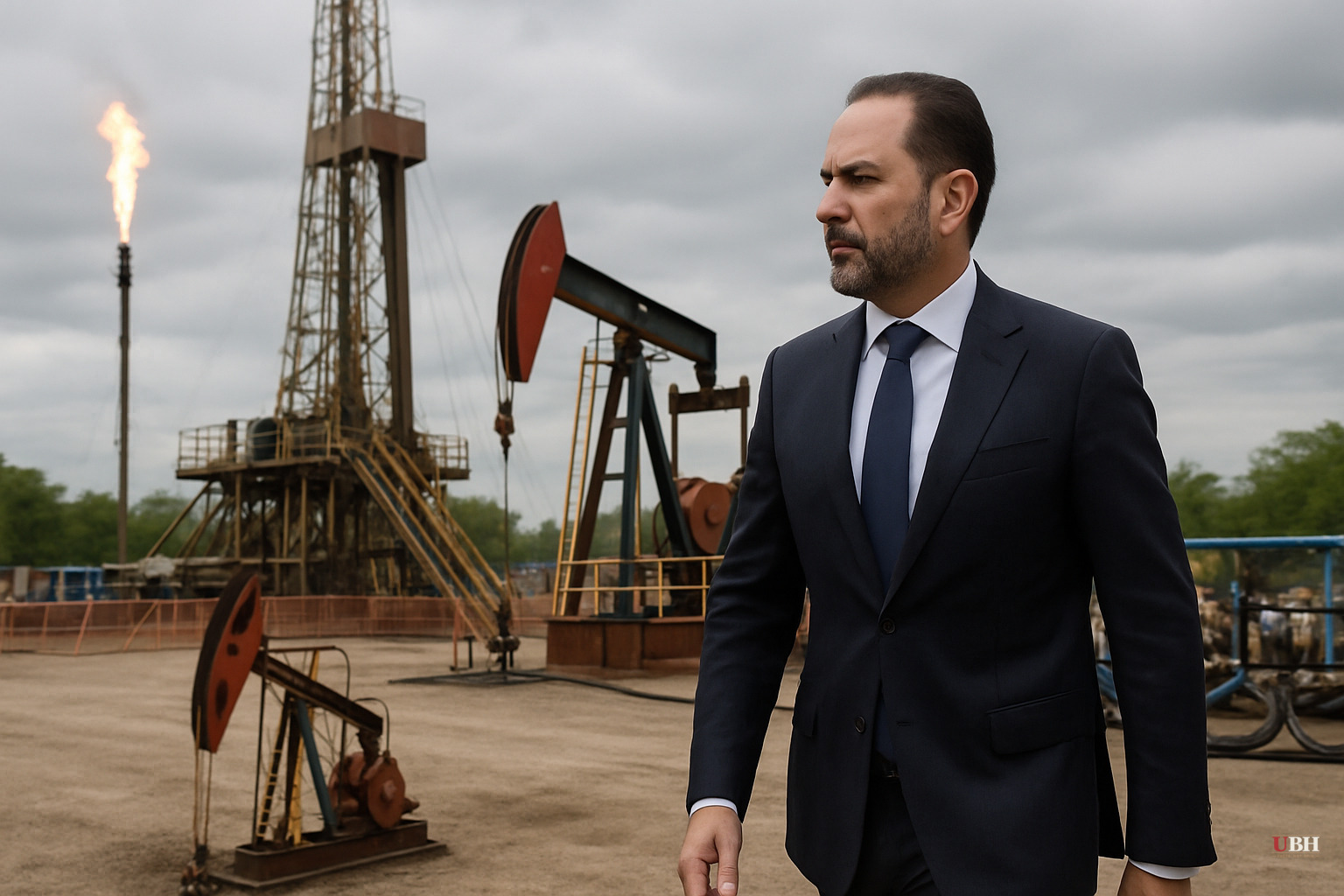
Colombia is about to swing hard in the opposite direction on energy policy.
Abelardo de la Espriella, a conservative candidate endorsed by Donald Trump, won Colombia's presidential election on June 21 by about 1 percentage point over Iván Cepeda, according to OilPrice.com. Cepeda had been expected to carry forward Gustavo Petro's Pacto Histórico movement. De la Espriella will be sworn in August 7.
This represents a full reversal from the guy currently running the country.
Petro's Green Bet
Gustavo Petro, Colombia's first leftist president, spent his term trying to wean the country off fossil fuels. He overhauled the tax and health systems, pushed renewable energy, and tried cutting deals with organized crime groups, with limited success according to OilPrice.com.
The numbers show real movement. Colombia's renewable energy capacity jumped from 200 MW to 3,600 MW between 2022 and 2026, per OilPrice.com. Non-mining, non-energy exports hit 52.6% of total exports in 2025, overtaking mining and energy exports for the first time in at least a decade.
Petro also went big on the international stage. In May, Colombia co-hosted the First Conference on Transitioning Away from Fossil Fuels with the Netherlands in Santa Marta, using it to showcase Colombia's commitment to a post-fossil economy.
One factor worth noting in that strategy: Colombia's oil reserves are already declining, according to OilPrice.com. So diversifying was partly necessity, not just ideology. Whether the renewable buildout can actually replace oil and gas revenue fast enough remains unanswered.
De la Espriella's Pitch
De la Espriella, nicknamed "The Tiger," ran on a very different message. His signature promise is 10 mega-prisons modeled on El Salvador President Nayib Bukele's approach to crime.
Bukele's crackdown has driven down homicide rates in El Salvador. Human rights groups have also documented abuses tied to that same crackdown, including mass arrests without due process. Colombians backing De la Espriella are betting the crime reduction is worth that tradeoff. Critics say it isn't.
On energy, De la Espriella campaigned on exploiting fossil fuels "to the fullest extent," according to OilPrice.com. That's expected to mean redirecting Ecopetrol, Colombia's largest oil company, back toward hydrocarbons and speeding up permitting for energy projects.
What's Actually at Stake
This is a full pivot four years after Colombia committed publicly to moving away from fossil fuels.
For a country whose oil reserves are already running down, doubling back into hydrocarbons buys short-term revenue and jobs. It also means betting against the trend Petro spent four years building toward. Either direction represents a real strategic gamble.
The economic argument for De la Espriella's supporters is straightforward: oil and gas still pay the bills right now, renewables take years to scale, and Colombians facing economic strain don't want to wait on a green transition that hasn't yet delivered comparable revenue. The counterargument, which Petro made loudly on the international stage, is that reserves are declining anyway, so building the next economy now is cheaper than scrambling later. Neither side has definitive proof they're right until it plays out.
What Happens Next
De la Espriella takes office August 7. Nothing changes on paper until then. But markets and Ecopetrol executives will be watching his cabinet picks and early permitting decisions closely, since those will signal how fast the reversal actually moves.
The unresolved question is how Colombia balances the mega-prison buildout with a return to hydrocarbon dependence, when both come with real costs, financial and human, that outgoing officials spent four years trying to avoid.
Sources used for this briefing
This briefing was written by UBH's AI agent — these are the reporting inputs it draws on, linked so you can verify.


