
Unbiased headlines. Facts, not spin.
Unbiased Headlines is an independently owned news organization. We bring you the facts, not opinions, written fresh from 110+ named sources. Sources linked so you can verify it yourself.
 energy
Notable (6/10)
energy
Notable (6/10)
Citi Raises Q3 Brent Forecast to $80 a Barrel as Iran Standoff Drags Past Five Months
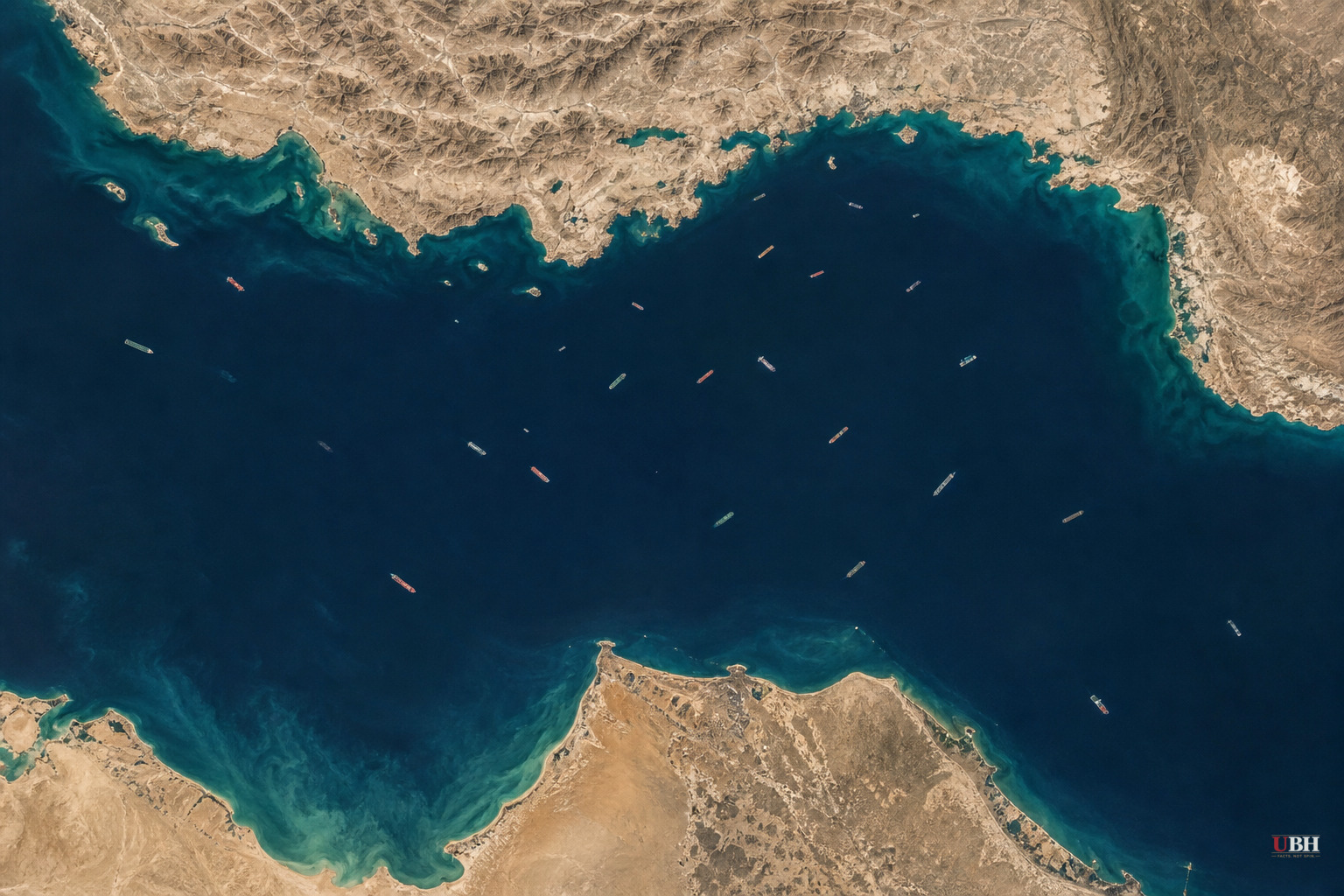
Citigroup raised its third-quarter 2026 Brent crude forecast to $80 a barrel on Friday, up from $75, according to OilPrice.com and BigGo Finance. The reason is simple: the U.S.-Iran standoff has dragged on for nearly five months with no resolution, and the Strait of Hormuz, which handles roughly one-fifth of global seaborne oil trade, still isn't moving normally.
Citi left its fourth-quarter 2026 forecast at $70 and its full-year 2027 average at $65, per Energy News Beat. The bank's math hasn't fundamentally changed. It still thinks oil goes lower once this gets resolved. It just moved the timeline out because the fighting has lasted longer than anyone at Citi expected back in the summer.
Energy News Beat reported the bank's December 2025 outlook had penciled in a full-year 2026 average of just $62, with a bearish case of $50. Citi even flagged a bullish scenario of $75 "if geopolitical disruptions materialized." They materialized. Citi was recommending clients sell into summer rallies earlier this year, betting Brent would fall back to $60-$65 by year-end as shipping normalized. That bet hasn't paid off yet.
Brent was trading around $81 to $83 in early August, according to Energy News Beat, after briefly dipping below $80 earlier in the week on hopes for a Hormuz deal that didn't materialize. BigGo Finance put Friday afternoon pricing more precisely: Brent up $1.18, or about 1.4%, to $81.79 a barrel, with WTI up $1.03 to $78.32.
Wall Street Can't Agree on Where This Goes Next
Goldman Sachs isn't buying Citi's confidence that prices drop sharply once a deal lands. Goldman told clients Brent likely stays in an $80-$90 range until there's either a confirmed U.S.-Iran agreement or serious escalation, according to BigGo Finance, citing Reuters. Goldman even floated upside toward $120 if Hormuz stays constrained longer, per Energy News Beat. Goldman and Citi disagree significantly on where the market heads next.
Where Goldman and Citi actually agree: once the geopolitical premium comes off, supply growth from the U.S., Brazil, Guyana, Venezuela, and the UAE, plus weakening Chinese demand as the country shifts toward electric vehicles, points toward a glut. Goldman has flagged a potential 2027 surplus near 3 million barrels per day even after accounting for strategic reserve rebuilding.
Morgan Stanley is even more bearish than Citi on the back half of this decade, projecting Dated Brent near $75 through the second half of 2026 and closer to $70 by the end of 2027. JPMorgan sits in between, projecting a $86 average for Q3 2026, $80 for Q4, and a 2027 average near $64, per Energy News Beat. JPMorgan expects oversupply severe enough that OPEC+ producers could be forced into production curtailments.
The Politics Behind the Price Swings
The diplomatic backdrop has been genuinely volatile. BigGo Finance reported that President Trump called off planned strikes on Iran at the start of August and signaled a pivot back to diplomacy, a move that sent Brent tumbling roughly 6% to $82.95 on the first trading day of the month. Adam Crisafulli, founder of Vital Knowledge, told CNBC at the time that investors were keeping their optimism in check, warning the conflict likely had further to run before any real resolution.
He was right. Nearly a week later, there's still no deal, and Citi's own forecast revision reflects the market's skepticism about a quick fix.
BigGo Finance also noted the International Energy Agency has labeled this disruption the worst oil supply crisis on record, with global demand expected to fall by one million barrels per day this year. This demand-side element gets less attention in the Citi-focused coverage but matters for where prices ultimately land.
None of these banks are forecasting stability. They're forecasting a range of outcomes tied entirely to whether Trump and Tehran actually sign something. Until that happens, or until the fighting escalates further, Brent sits in a holding pattern between $80 and $90, with every bank's 2027 number resting on an assumption nobody can currently verify: that this ends, and ends without a bigger war.
Sources used for this briefing
4 links from 3 independent newsrooms (syndicated copies of the same report count once)
These are the sources it draws on, linked so you can verify.


