
Original briefings. Zero spin.
Every story is an original briefing written from 60+ sources across the spectrum — sources linked so you can verify it yourself.
 energy
Low Interest (4/10)
August 7, 2026 at 09:24 PM
energy
Low Interest (4/10)
August 7, 2026 at 09:24 PM
China Tests Quantum Sensors on Power Grid Substation in Anhui Province
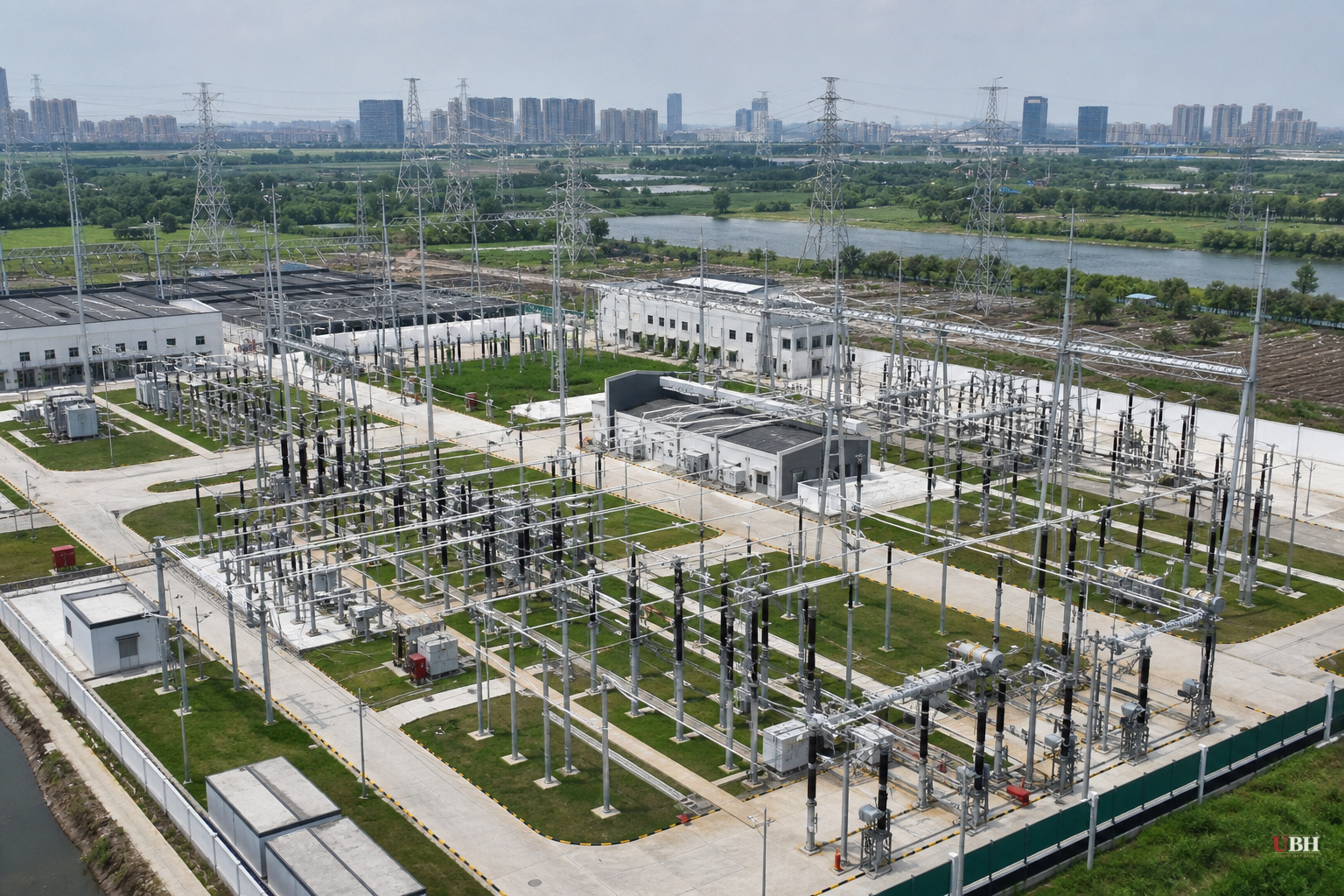
China's grid operators are running a quantum-sensor experiment at a substation in Hefei, Anhui province, betting that quantum mechanics can catch power failures before they happen. The substation, built in 2024, has spent the last 18 months testing quantum sensors designed to detect weak electrical signals and tiny shifts in temperature and humidity inside its switchgear room, according to a report from Interesting Engineering.
Traditional grid monitoring has blind spots: delayed equipment checks, measurement errors, data-security gaps, and the sheer computational load of modeling a modern power system. Quantum sensors, secure quantum communications, and quantum computing are being layered on top of the existing setup to catch problems conventional sensors miss.
Tian Teng, a researcher with Anhui Electric Power Company, told Interesting Engineering the technology is not a showpiece but what he called "hard support" for guaranteeing power supply. That's a company employee talking up his own project, worth remembering before anyone declares this a breakthrough.
The claimed numbers are specific. Researchers say the technology could reduce electricity measurement errors at the substation by more than 500,000 kilowatt-hours per year, according to the report. That's one station, not the national grid. Nobody involved has published independent, peer-reviewed verification of that figure, and it's an internal estimate from the people running the pilot.
Why grids need help in the first place
Grids everywhere are under strain as intermittent power sources like wind and solar get added to the mix, and as AI data centers suck up enormous and unpredictable amounts of electricity. The U.S. Department of Energy has made the same argument for years: a smarter, modernized grid with better sensors and controls reduces outages, cuts storm damage, and speeds up restoration when something does fail.
Every grid operator, American or Chinese, has an incentive to detect faults earlier and measure load more precisely. The question is whether quantum technology is actually the tool that gets there faster than cheaper, already-proven alternatives like better classical sensors, AI-driven predictive maintenance, or straightforward infrastructure investment.
Quantum computing and quantum sensing are still young fields. Last year's Nobel Prize in Physics recognized foundational work in quantum mechanics, underscoring that the science is real and taken seriously by the physics establishment. But recognition of the underlying physics is not the same as proof that quantum sensors are ready for mass deployment across a national grid serving over a billion people.
What's proven versus what's promised
What's actually documented: China built a test substation in 2024, ran quantum sensors there for 18 months, and a state-linked utility researcher claims measurable error reduction. That's a real pilot program with a real site.
What's not documented: any timeline for scaling this beyond Hefei, any independent cost-benefit analysis, or any confirmation from outside auditors that the 500,000 kilowatt-hour figure holds up. Interesting Engineering's report, and the OilPrice.com summary of it, both rely on statements from the Chinese research team and utility officials with an obvious stake in the project's success.
That's not evidence of fraud or exaggeration. The only people quoted so far are the ones running the experiment.
The bigger competitive angle
Beijing has poured money into quantum research for years as part of its broader tech rivalry with the United States, and grid modernization is a logical place to apply it given China's massive and rapidly growing electricity demand from manufacturing and, increasingly, AI infrastructure. If quantum sensing genuinely delivers cheaper, faster fault detection at scale, that's a legitimate technological edge worth watching.
The unresolved question is simple: does this pilot get replicated at other substations, and does Beijing publish results that outside engineers can actually verify? Until then, Hefei is a single test case, not a national rollout, and the 500,000 kilowatt-hour claim is an internal estimate from the project's own researchers, not an independently confirmed result.
Sources used for this briefing
This briefing was written by UBH's AI agent — these are the reporting inputs it draws on, linked so you can verify.

