
Unbiased headlines. Facts, not spin.
Unbiased Headlines is an independently owned news organization. We bring you the facts, not opinions, written fresh from 110+ named sources. Sources linked so you can verify it yourself.
 energy
Notable (6/10)
energy
Notable (6/10)
BHP Workers Strike at Port Hedland This Weekend Despite Progress in Pay Talks
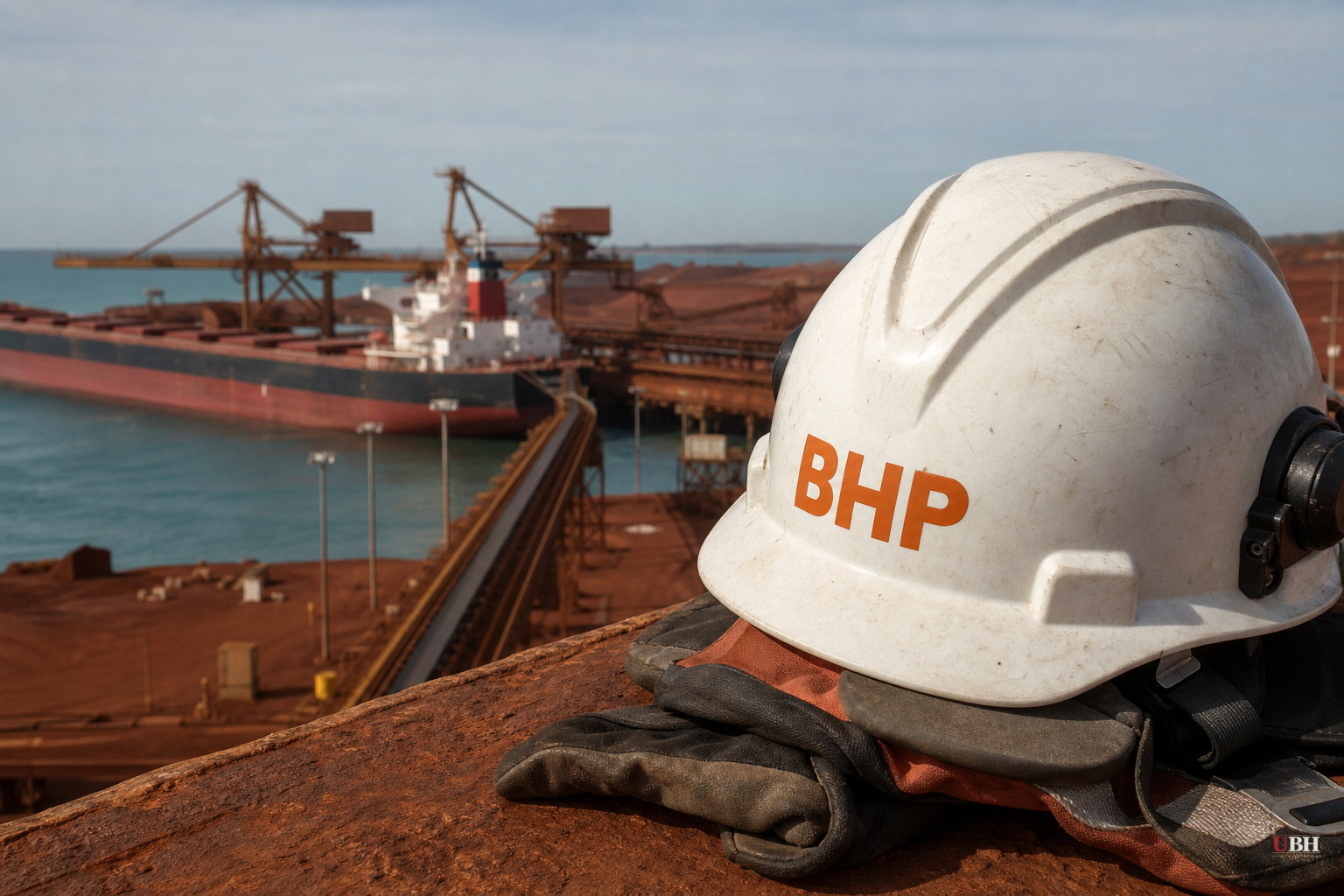
BHP workers at Port Hedland in Western Australia began a two-day strike on Saturday, August 8, shutting down part of the world's largest iron ore export hub even after union and company negotiators reported real progress just days earlier, according to Reuters.
The action started with a 24-hour ban on loading ships Saturday, followed by a full stoppage at the Port Hedland Bulk Export Terminal beginning 5:30 a.m. local time Sunday, August 9. Roughly 150 workers are taking part, Reuters reported, citing a union spokesperson.
BHP moves about $80 million worth of iron ore through Port Hedland every single day. The union spokesperson told Reuters the strike will likely delay 16 iron ore shipments over the two days. BHP says it has contingency plans to keep operations running regardless.
Talks were going well. The strike happened anyway.
A Combined Ports Unions spokesperson called Tuesday's meeting "productive" and said the parties had "identified a path forward." Yet the strike went forward exactly as planned.
The union's position is straightforward. Substantive issues remain unresolved, and a path forward isn't a signed contract. Workers have been negotiating for more than seven months without a deal. Announcing a strike as leverage and then calling it off because talks got friendlier would hand BHP a win it hasn't earned yet, a signed enterprise agreement.
The Fair Work Commission, Australia's workplace regulator, saw it differently. The Commission said there was "no need for the unions to continue with their planned industrial action" given that another meeting is scheduled and BHP has an updated proposal coming. This is a notable statement from a body that's supposed to referee, not take sides. The Commission also has skin in the game, since a messy strike on its watch doesn't reflect well on its mediation.
What the workers are actually asking for.
This isn't a fight over headline wages alone. According to Reuters, the roughly 450 operators and maintenance workers covered by the talks want enforceable wage and condition protections written into the contract, not just promises.
Their argument: they work in extreme heat, pull long hours, and spend extended time away from family at a remote industrial site. They say that should mean they're paid at least as well as workers doing comparable jobs in Australian cities, not less.
That's a fair position to state plainly. Remote, physically demanding shift work in 40-plus degree Celsius heat is a real cost that doesn't show up in a base salary comparison.
BHP's business is booming while this drags out.
Reuters noted the dispute is unfolding "amid rising costs of living and a record share price for BHP," which is both the world's biggest listed miner and Australia's largest listed company by market value. When a company posts a record share price, workers negotiating a four-year contract have a stronger case that the business can afford to meet them partway.
BHP hasn't gone silent. The company says it will bring an updated proposal to the next meeting, scheduled for August 18, the same day BHP reports its annual results. That timing isn't an accident. BHP has every incentive to have labor peace, or at least a deal on the table, before investors start asking questions on earnings day.
The strike's real-world bite is limited.
Port Hedland handled 75% of total iron ore exports from Australia's Pilbara region in the year to June, according to Reuters, and it's the single biggest iron ore export hub on the planet. But the strike is confined to BHP's operations there. Rival miners Fortescue and Hancock Prospecting, which also ship through Port Hedland, aren't expected to be affected, Reuters reported.
So this is a BHP-specific labor dispute, not a port-wide shutdown. Sixteen shipment delays over two days is a real cost, but it's a rounding error against BHP's daily $80 million throughput at that single hub.
What happens next.
The next real test comes August 18, when BHP presents its revised offer at the same time it reports annual results to shareholders. If BHP's new proposal doesn't move on enforceable wage protections, expect the Combined Ports Unions to signal further action. If it does, seven months of stalemate could finally end. Either way, the Fair Work Commission will keep pushing both sides toward a deal it's already said should have made this weekend's strike unnecessary.
Sources used for this briefing
1 link from 1 independent newsroom (syndicated copies of the same report count once)
These are the sources it draws on, linked so you can verify.


