
Unbiased headlines. Facts, not spin.
Unbiased Headlines is an independently owned news organization. We bring you the facts, not opinions, written fresh from 110+ named sources. Sources linked so you can verify it yourself.
 energy
Notable (6/10)
energy
Notable (6/10)
EU Sets Plan to Triple Energy Storage by 2030 After Years of Energy Crises
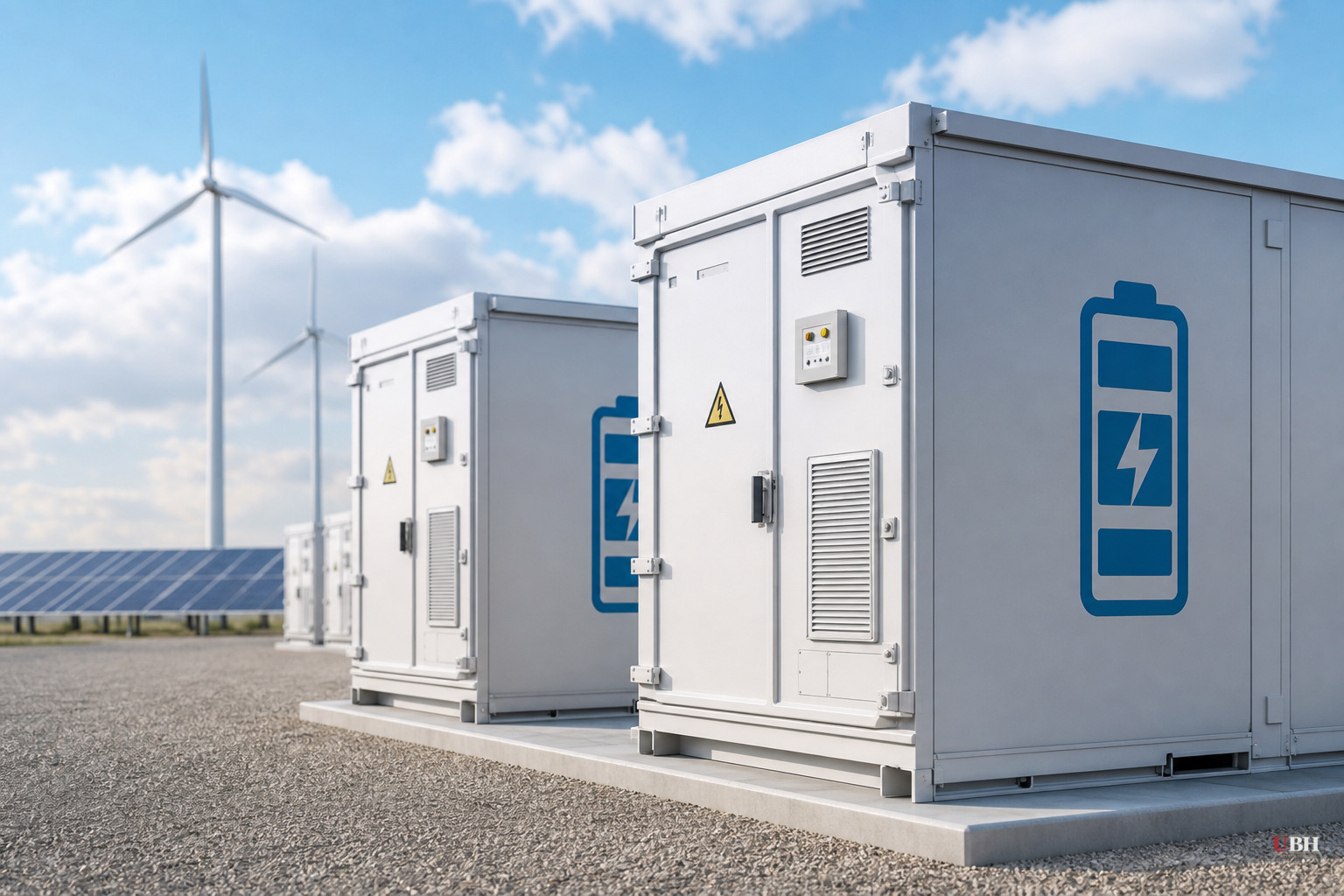
Europe is finally admitting what critics have said for years: you can't run a modern grid on wind and solar without serious backup power.
European Union energy ministers signed an agreement in June to triple the bloc's energy storage capacity, according to OilPrice.com. The plan calls for adding 30 to 35 gigawatt-hours of new storage by 2028, with a longer-term target of roughly 200 gigawatt-hours by 2030. The EU currently has about 55 gigawatt-hours of installed storage capacity, according to the same report.
The EU needs to nearly quadruple its current capacity in under four years.
Why Now
This isn't happening in a vacuum. OilPrice.com describes the continent facing its third energy crisis in four years, with natural gas reserves sitting at just over 50% capacity and imports significantly reduced amid ongoing regional supply disruptions. An unnamed European diplomat, quoted anonymously by the BBC in March, put it bluntly: "We swore we'd learn. We promised things would change but here we are."
That's a remarkable admission from inside the system. Europe got burned when it leaned too hard on Russian gas before 2022. It got burned again as it scrambled through subsequent winters trying to patch the hole. Now it's staring at a third round of instability, and a diplomat is saying out loud that the lessons didn't stick the first two times.
The Renewable Trade-Off
Wind and solar created this storage problem in the first place. These sources only generate power when the wind blows or the sun shines. When European leaders push more intermittent renewables onto the grid without matching backup capacity, they're building in volatility, not stability.
OilPrice.com is direct about this, noting that as wind and solar "take up more and more of Europe's energy mix, new energy security concerns arise" because supply and demand become "increasingly mismatched, resulting in extreme market volatility and grid vulnerabilities."
This is a real, legitimate concern raised by grid engineers and energy security analysts, not just fossil fuel defenders. A grid that can't reliably match supply to demand risks blackouts, and blackouts have real costs: hospitals, water systems, and heating during a cold winter don't run on good intentions.
Renewable advocates offer a fair counterpoint. Storage is exactly the fix for that mismatch, and building it out is the mature, forward-looking response rather than retreating from wind and solar altogether. Walburga Hemetsberger, CEO of SolarPowerEurope, told Euronews the June agreement means "for the first time, the EU has established a clear political direction, turning storage from enabling technology to a delivery priority." Storage is the tool that lets renewables actually work at scale instead of leaving grids exposed every time the weather doesn't cooperate.
The Catch: Battery Limits
Lithium-ion batteries currently dominate global energy storage, but according to OilPrice.com they can only hold power for about four hours. That's fine for smoothing out a few hours of demand spikes. It does nothing for a multi-day cold snap or a week of low wind, which is exactly the scenario that has hammered European grids before.
Longer-duration storage technology, the kind that could bridge days rather than hours, is still in developmental stages, per the same reporting. The EU is betting big on getting that technology mature and deployed at scale in under four years. That's an aggressive timeline for a technology that hasn't been proven at the scale Europe needs.
What's Unresolved
The June agreement sets political direction and capacity targets. It doesn't yet answer who pays for the buildout, which member states host the new storage, or which long-duration technology wins out over lithium-ion's four-hour ceiling. Those decisions will determine whether this becomes a real fix or another target Europe misses.
The next marker to watch is 2028, when the EU's interim goal of 30 to 35 additional gigawatt-hours comes due. If Brussels hits that number, the 2030 target of roughly 200 gigawatt-hours becomes credible. If it doesn't, Europe heads into another winter making the same promises the anonymous diplomat admitted it already broke twice.
Sources used for this briefing
1 link from 1 independent newsroom (syndicated copies of the same report count once)
These are the sources it draws on, linked so you can verify.


