
Unbiased headlines. Facts, not spin.
Unbiased Headlines is an independently owned news organization. We bring you the facts, not opinions, written fresh from 110+ named sources. Sources linked so you can verify it yourself.
 energy
Major Story (7/10)
Event date: October 21, 2026 ·
Trump Says Large Data Centers Must Generate Their Own Power and Pay Communities a 'Dividend,' With No Details Released
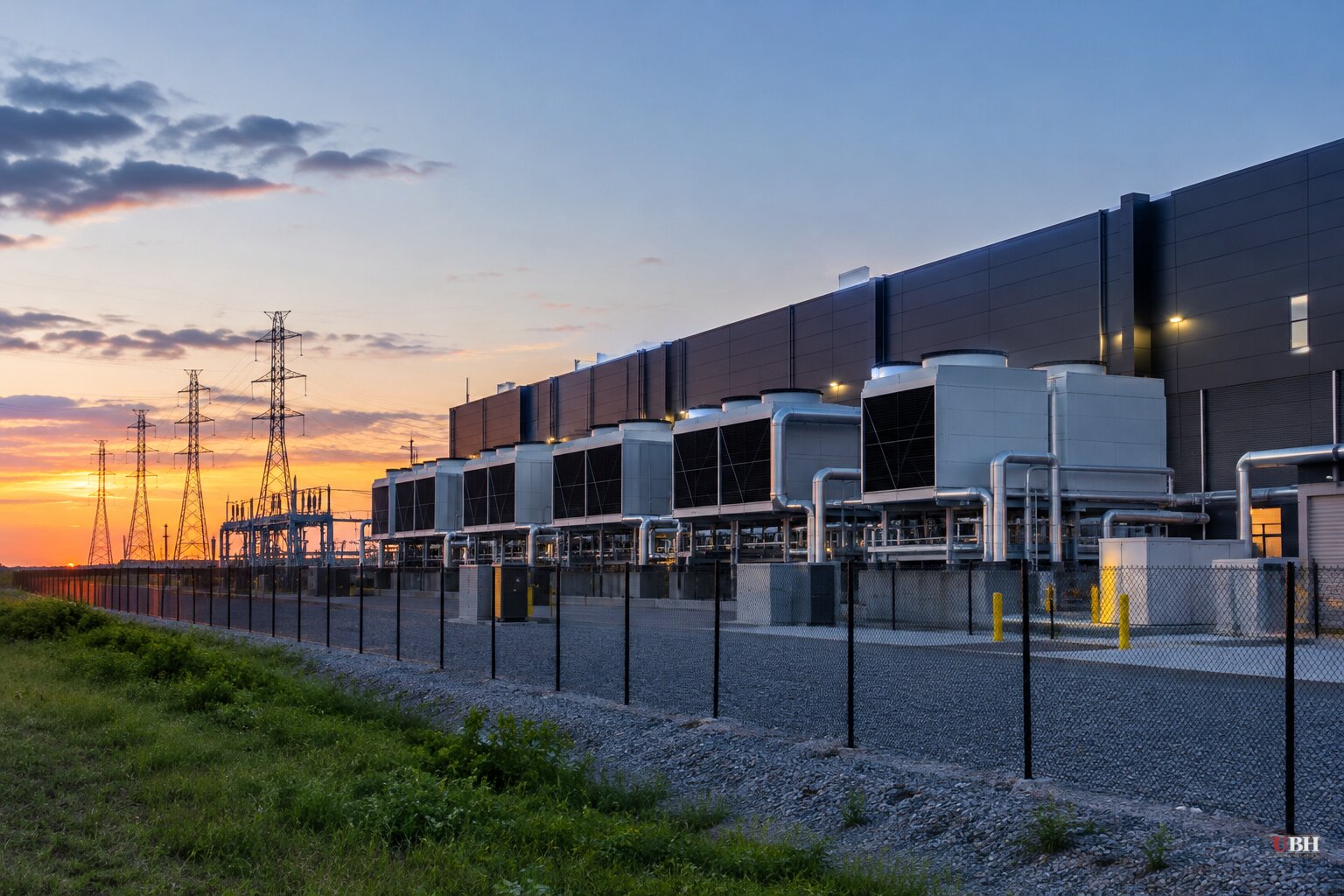
Since August, when Trump told communities that resisting data centers meant they wanted to end up "backwards and poor," the opposition has grown and the president's tone has shifted. This week he put out a new position.
In a Truth Social post early Wednesday, Trump wrote that new and large data centers "are mandated by me to make their own electricity, and give or sell any excess back to the local community, or grid." He said power prices could see "a substantial decrease" as a result. He also suggested companies "pay the community, and/or individuals within the community, a 'dividend.'"
The post gave no details on how the requirement would be written, enforced, or applied. No rule or executive order text accompanied it.
The president's argument
Trump's case rests on his own observation. "Data Centers that were highly unpopular in a certain area, have become extremely popular when a financial deal is struck," he wrote. His instruction to developers: "MAKE DEALS, and get them built!!!"
There is a track record behind the idea. Earlier this year Trump got data center companies to pledge they would supply or procure their own power while limiting disruption to nearby residents. Amazon and Meta have each pledged at least $1 billion to communities that host their facilities.
Those pledges have not stopped the pushback. Many towns and states are pursuing moratoriums on new approvals and rolling back the tax exemptions that once attracted these projects. New York has temporarily paused construction of new large-scale AI data centers. Texas Agriculture Commissioner Sid Miller has called for a statewide pause on big projects.
The Memphis City Council rejected an 18-month pause on new data center development this week, a sign that local fights are going both ways.
The scale driving the fight
The Pew Research Center counts more than 3,000 operating U.S. data centers and over 1,500 more under development, mostly in rural areas. U.S. facilities used about 313 terawatt-hours in 2025, nearly 40% of global data center electricity use, according to the Energy Institute's 2026 Statistical Review of World Energy.
Berkeley Lab projects data centers will consume 11.8% of U.S. electricity by 2030, up from about 4.4% in 2023.
Residents near projects in Texas, Utah and Indiana have complained about noise, light pollution, property values and strain on local grids. Meta's $10 billion, 1-gigawatt campus in Lebanon, Indiana, broke ground in early 2026 and is due in early 2028. Indiana residents have urged lawmakers to regulate the industry.
Money is getting nervous
Financial signals have turned more cautious. Bond yields rose sharply for AI infrastructure company CoreWeave. Meta reported negative free cash flow for the quarter to fund its buildout and said it may need to raise more capital, and big tech shares declined alongside it.
Some public pension funds are stepping back. New York City's $330 billion pension systems passed on a technology-focused private equity fund over AI exposure concerns, according to Chief Investment Officer Monte Tarbox, who compared the boom to earlier financial crises. The $3.1 billion Jacksonville Police & Fire Pension Fund declined a new commitment to Blue Owl Capital's Digital Infrastructure Fund IV, citing political opposition, utility access, regulatory uncertainty and community resistance.
The $66.7 billion Arizona State Retirement System is looking at ways to reduce data center concentration. Data centers make up about 13% of its $9.3 billion real estate portfolio, a share projected to top 20% by the end of 2026.
Self-supplied power is already underway, slowly
The nuclear sector shows what "make your own electricity" looks like in practice, and how long it takes. Three shuttered reactors are being restarted with big-tech backing, for 2.25 GW in total.
Palisades in Michigan was loading fuel in August 2026 and is expected to produce 800 MW around March 2027. Crane Clean Energy Center on Three Mile Island's Unit 1 is projected at 835 MW in 2027, with Microsoft signed as the main customer on a 20-year contract. It still needs Nuclear Regulatory Commission approval before loading fuel.
Iowa's Duane Arnold, a NextEra and Google project, is projected at 615 MW starting in 2029. NextEra CEO John Ketchum said "none of the costs are being paid by residential customers in Iowa."
The projects took Energy Department loans: Palisades under the Biden administration in 2024, the other two under Trump's 2025 push.
What a slowdown would do to clean energy
A pullback in data center spending would cut electricity demand growth and could ease the rush to build natural gas plants. It would also hit the technologies that tech buyers have been underwriting. TIME argues that advanced geothermal, new nuclear designs and even fusion depend on large, reliable buyers willing to pay a premium.
The International Energy Agency expects data centers to account for 20% of electricity demand growth in advanced economies through 2030 and 3% of global demand by then.
Utilities are also dealing with their own AI exposure. The Federal Energy Regulatory Commission's recent cybersecurity audit warned that AI tools' "evolving capabilities may introduce access control risks." Connecticut Attorney General William Tong and Consumer Counsel Claire Coleman petitioned state regulators on Oct. 13 to open a review of utility AI use, following a similar directive from New York regulators.
What comes next
The White House has not published any text that defines "large," sets a deadline, or says who would enforce the self-supply requirement. Whether the post becomes an executive order, a rule, or stays a negotiating posture is the open question for developers. The earliest hard test is the NRC's decision on Crane, which must come before that reactor loads fuel for its 2027 start.
Sources used for this briefing
8 links from 8 independent newsrooms (syndicated copies of the same report count once)
These are the sources it draws on, linked so you can verify.


