
Unbiased headlines. Facts, not spin.
Unbiased Headlines is an independently owned news organization. We bring you the facts, not opinions, written fresh from 110+ named sources. Sources linked so you can verify it yourself.
 energy
Notable (6/10)
energy
Notable (6/10)
Electricity and Gas Prices Are Now a Bigger Midterm Issue Than Climate Change
Voters Care About Their Bill, Not the Debate
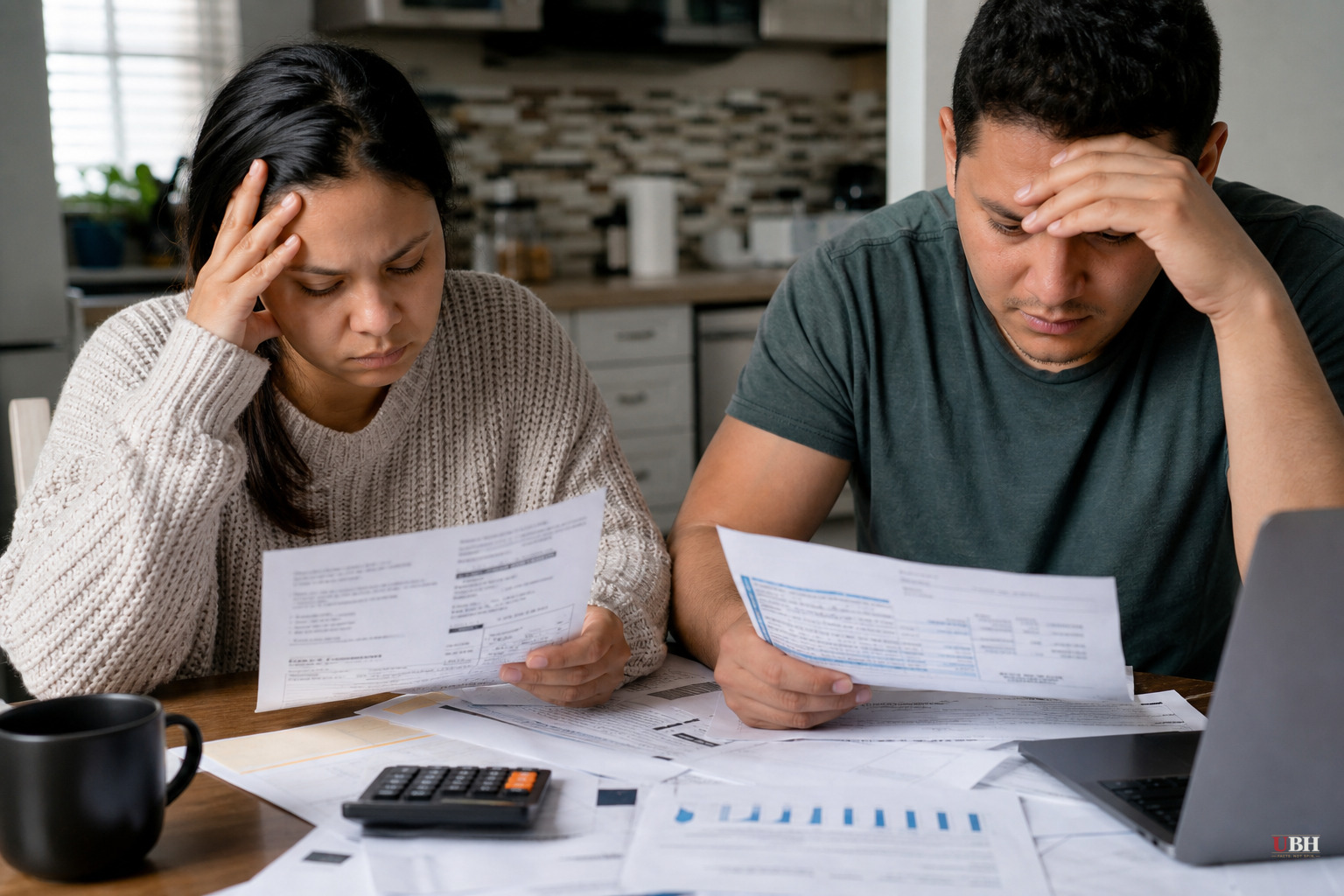
With midterms three months out, the fight over energy policy has stopped being about climate change and started being about the number on your electric bill.
Residential electricity prices rose 7% nationally in 2025 compared to 2024, according to S&P Global Market Intelligence. Ratepayers in 46 states saw increases. Twelve states plus Washington, D.C. saw double-digit hikes. In the first quarter of 2026, Hawaii had the highest rates in the country at 43.91 cents per kilowatt-hour, followed by California at 36.15 cents and New York at 32.63 cents. The national average sat at 18.70 cents.
Gas prices are up too. AAA data cited by OilPrice.com shows prices nearly a dollar per gallon higher nationwide than a year ago, driven largely by the war in Iran pushing oil prices up. In Alaska, gas hit $4.27 a gallon on July 28, making it the fourth-most-expensive state in the country.
Both Parties Are Abandoning Their Old Scripts
Scott Segal, head of Bracewell's Policy Resolution Group, told OilPrice.com that "this climate-versus-fossil fuels framing of past cycles has given way to affordability and electricity price framing for both parties." Segal said that doesn't mean progressive Democrats are suddenly begging for natural gas plants in their backyards, but it does mean strict climate messaging has largely disappeared from Democratic campaigns heading into November.
S&P Global reports that incumbent Democratic governors are increasingly embracing an "all-of-the-above" approach, mixing natural gas with nuclear and renewables to meet rising demand, much of it driven by data center buildout. In Colorado, Democratic incumbents who showed openness to fossil fuels drew sharp pushback in their primaries.
State-level races are getting specific. In Connecticut, the incumbent Democrat has framed natural gas as the state's dominant fuel source for the foreseeable future, while the Republican challenger blames carbon-free energy mandates for driving up costs. In Alaska, the Republican incumbent is calling for more domestic oil production to blunt war-driven price spikes, while the Democratic challenger argues Alaskans "should be benefiting from that at the pump, not footing the bill for endless wars," a message that puts the war itself, not just the policy response, on the ballot.
Democrats Are Building a Cost-of-Living Case Against Trump
Climate Power, a Democratic-aligned advocacy group, is making the affordability argument the center of its midterm push. In a July 24 release marking 100 days until the election, Climate Power Communications Director Alex Glass said Trump's policies "rubber-stamped" by congressional Republicans have raised family costs by at least $2,000 since Trump took office, citing a joint report from Climate Power and the Center for American Progress Action Fund. That figure covers a broad basket of costs, including groceries, gas, and utilities, not electricity prices alone, and it comes from advocacy groups that oppose Trump's energy agenda.
Climate Power also cited the New York Times reporting that average U.S. residential electricity rates have risen nearly 18% since Trump returned to office, despite his campaign promise to cut power prices in half. That NYT figure describes a longer window than the S&P Global year-over-year 7% figure, and the two aren't directly comparable since they measure different time periods.
Navigator Research polling cited by Climate Power found that half of constituents in battleground states say Republican policies have made life less affordable, and found gas, groceries, and utilities to be the top three cost concerns among those polled. Gallup polling, also cited by Climate Power, found two-thirds of Americans say fuel costs have caused financial hardship for their household. Climate Power additionally claims oil and gas companies collected more than $40 billion in profits in the first quarter of 2026 and that Americans have paid $73 billion more at the pump since the start of the Iran war.
The Republican Counter-Argument
Republicans aren't playing defense on drilling. The Alaska GOP incumbent's answer to higher pump prices is more domestic oil production, arguing that expanded supply is the direct fix for war-driven price spikes rather than a policy retreat. That's a coherent position: if global oil markets are tight because of Middle East conflict, producing more oil domestically is one lever available to a state or federal government, separate from any argument about the war's origins.
Climate Power's release also blames Republicans for canceling or stalling nearly 400 clean energy projects it says could have powered more than 20 million homes. That claim reflects the group's argument that faster-to-build renewable projects were sacrificed for slower-to-build conventional generation at the worst possible moment, as data centers are driving new demand onto the grid.
What's Actually Unresolved
Neither source resolves how much of the 2025-2026 price increase is attributable to Trump-era policy decisions versus structural factors: data center demand, extreme weather, grid infrastructure costs, and the Iran war's effect on global oil markets. S&P Global lists all of those as contributing factors alongside environmental mandates, without assigning a specific percentage to any single cause. Voters in swing states like Colorado, Connecticut, and Alaska will effectively be asked in November to render their own verdict on that question, state by state, candidate by candidate.
Sources used for this briefing
2 links from 2 independent newsrooms (syndicated copies of the same report count once)
These are the sources it draws on, linked so you can verify.


