
Unbiased headlines. Facts, not spin.
Unbiased Headlines is an independently owned news organization. We bring you the facts, not opinions, written fresh from 110+ named sources. Sources linked so you can verify it yourself.
 energy
Breaking / Critical (9/10)
China to Send Envoy to Iran, Oman and Saudi Arabia in November as Hormuz Standoff Grinds On
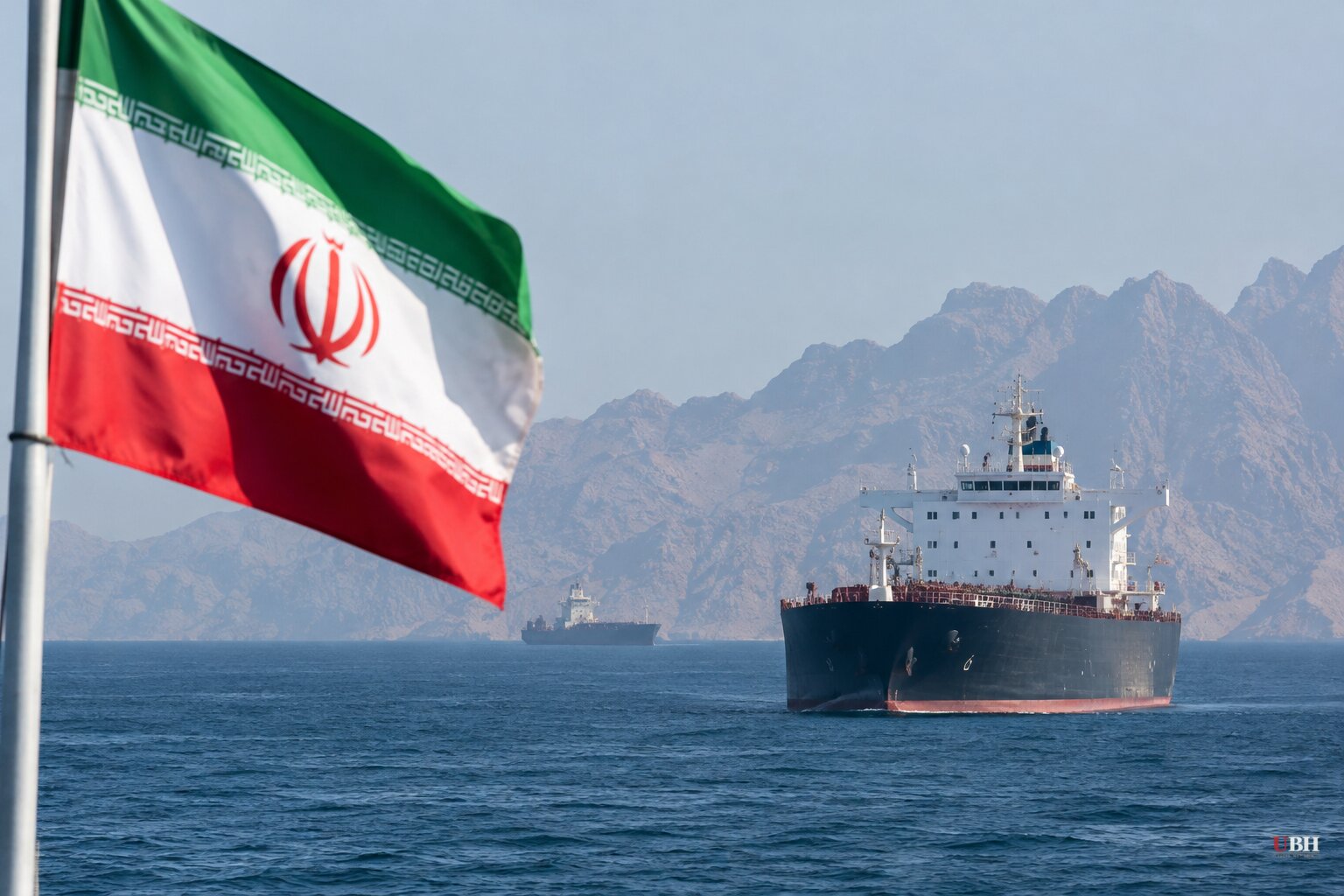
Since Iran restricted Hormuz traffic and the U.S. answered with a naval blockade of Iranian ports, the standoff has settled into a pattern of harassment, higher costs and stalled talks. The latest development is Beijing stepping up its own diplomacy around the strait.
Chinese Foreign Ministry spokeswoman Mao Ning said on Monday, Nov. 2, that Special Envoy on the Middle East Zhai Jun will visit Iran, Oman and Saudi Arabia in early and mid-November. Other Chinese envoys will visit Ethiopia, Djibouti, Egypt and Eritrea over the same stretch.
Mao said the trips are "aimed at promoting peace talks, easing tensions, and playing a constructive role for upholding regional peace and stability."
The announcement followed a visit to Beijing by Oman's Sultan Haitham bin Tarik Al Said, who met Xi Jinping at the Great Hall of the People the same day. Oman sits across the strait from Iran.
Why China is moving now
China was the largest destination for goods moving through Hormuz to Asia before the conflict. Breitbart reports it is still believed to be the biggest consumer of that traffic.
Beijing has been rerouting. It has unveiled an Arctic Silk Road plan and sharply raised oil imports from Brazil, according to the same reporting.
Those workarounds do not replace the strait. China's envoy schedule, which puts Tehran and Muscat on the same itinerary, shows Beijing wants a hand in whatever arrangement comes out of the standoff.
That fits with what Iranian lawmaker Amir Hayat Moqaddam said in a Nov. 3 interview with the Iranian Students' News Agency. Moqaddam, deputy chairman of parliament's National Security and Foreign Policy Committee, said Iran has exempted ships from India, China, Iraq and Qatar from transit restrictions.
He said the Chinese arrangement is meant to win Beijing's political support. He also said Indian and Chinese ships pay transit fees. "We are doing business," he said.
Moqaddam also claimed U.S. forces do not intercept those vessels. Washington has not confirmed that in anything he cited.
The economics of a stalemate
Shipments through Hormuz are at about 80% of prewar levels, according to Bloomberg's analysis. Even so, insurance costs have stayed high.
Iran's own position is worse. The U.S. blockade has hit a $300 billion economy hard. Only a tiny fraction of the roughly 2 million barrels per day Iran exported before the war is leaving by land routes, Bloomberg reported.
Attacks on ships continue. Open-source tallies counted a record of at least 28 reports of damage to shipping in the strait in October.
A U.S. official with direct knowledge told Bloomberg that Iran has not increased the volume of its attacks. The official said more serious damage is simply getting more incidents flagged, and a quarter of the reports in the first two weeks of October involved strikes on engine rooms. U.S. Central Command says almost all Iranian attacks there fail or are intercepted.
Jim Lamson, a visiting research fellow at King's College London and former CIA Iran analyst, said economic pain is unlikely to end Tehran's "harassing fire." He said Iran's stockpile of missile components lets it keep assembling anti-ship weapons even though U.S. strikes have cut its ability to build them at scale.
U.S. forces reportedly struck Iranian positions on Qeshm Island near the strait overnight, according to Bloomberg.
The human toll
The International Maritime Organization counted about 70 attacks on commercial ships between February and August. They killed 19 seafarers, 15 of them Indian. A total of 24 Indian seafarers have died in the West Asia conflict.
India gets about 90% of its crude from abroad, and about 30% of those energy shipments pass through Hormuz. About 90% of its LPG cargo also transits the strait. That is why New Delhi has urged both Washington and Tehran to use dialogue to keep the waterway open.
Talks and Trump's choice
On Saturday, Oct. 31, Iranian Foreign Minister Abbas Araghchi said a proposal discussed with Qatari mediators in Doha could let Hormuz fully reopen within two days. Iran earlier offered a one-week reopening in exchange for lifting the U.S. blockade, releasing frozen assets and easing limits on oil exports. The U.S. rejected that, the Associated Press reported. Araghchi said Tehran has no immediate plans to meet American officials directly.
Secretary of State Marco Rubio said the same day that Trump has not decided whether to resume strikes but prefers a diplomatic resolution.
Trump told reporters at Mar-a-Lago that talks "are going fine" but that Iran is "not very reliable." He said, "They make a deal and then they back out. I want to make a deal."
He also said the U.S. is "not in that much of a hurry" because it has "knocked down their Navy," air force and air defenses. He put the remaining nuclear targets at "1 or 2 sites," which he said could be hit "in ten minutes." He named Pickaxe Mountain.
Zhai Jun's Tehran, Muscat and Riyadh stops are due in early and mid-November. Whether Beijing's envoy can move Iran, or Washington, off the positions each side has held since the blockade began remains to be seen.
Sources used for this briefing
7 links from 7 independent newsrooms (syndicated copies of the same report count once)
These are the sources it draws on, linked so you can verify.


