
Original briefings. Zero spin.
Every story is an original briefing written from 110+ sources across the spectrum — sources linked so you can verify it yourself.
 economy
Major Story (8/10)
August 28, 2026 at 10:13 PM
economy
Major Story (8/10)
August 28, 2026 at 10:13 PM
China Moves to Kill the Pre-Sale Housing Model After Evergrande Fallout
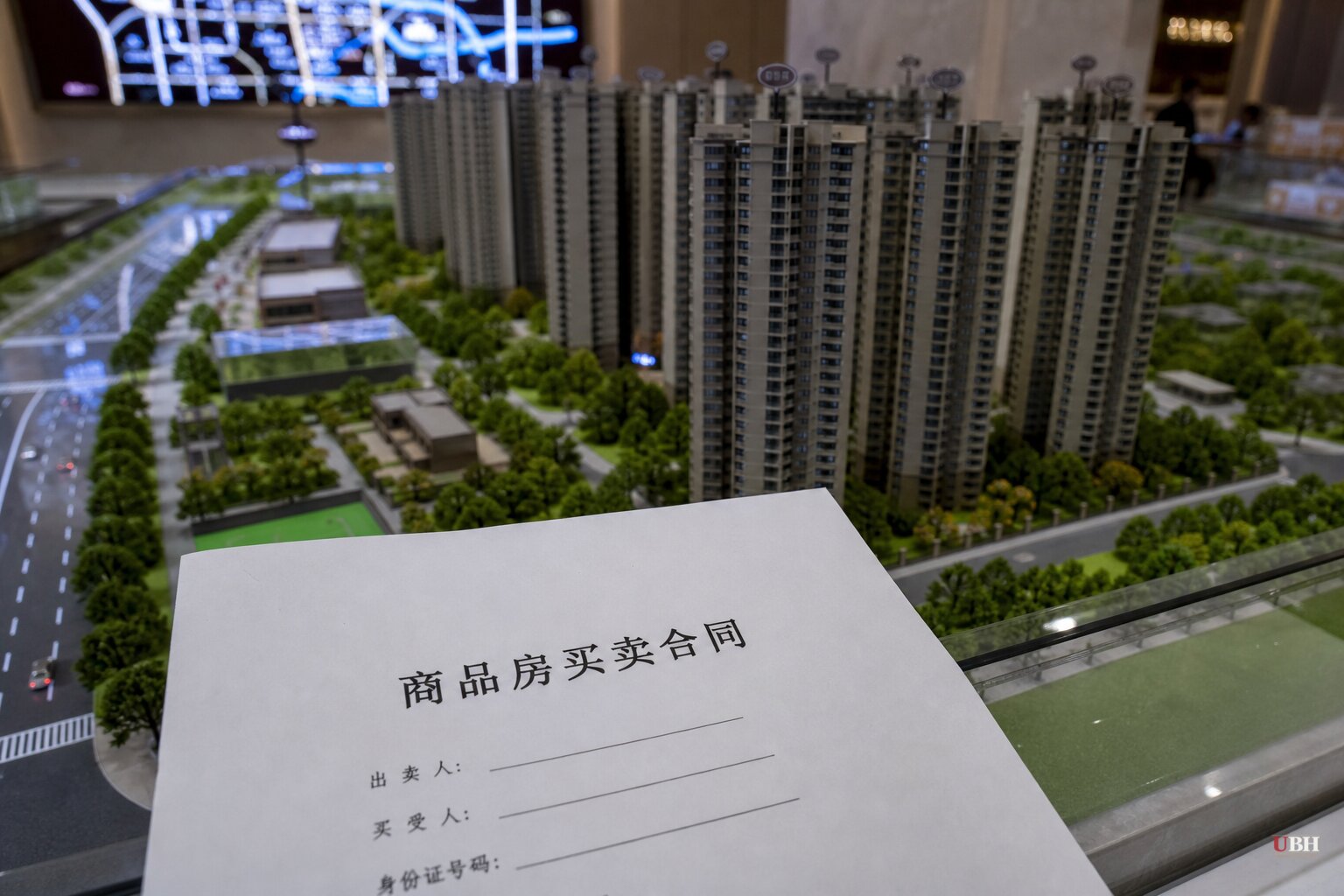
China's government just admitted what homebuyers have known for years: the system that let developers sell apartments that didn't exist was rotten. On Friday, Beijing's central bank and financial regulator issued new guidelines requiring that a homebuyer's mortgage be issued only after a housing project is completed, according to Reuters. Local governments were also told to prioritize selling finished homes to "fundamentally prevent delivery risks," per the same guidelines.
China adopted the pre-sale model from Hong Kong back in 1994, according to Crypto Briefing. For three decades, developers sold homes months or years before construction finished, essentially getting interest-free loans from ordinary families to fund the next project. It worked fine as long as prices kept rising and developers kept building.
Then it didn't.
Evergrande Wasn't a One-Off
When China Evergrande Group collapsed under more than $300 billion in liabilities, it exposed exactly how fragile the daisy-chain financing scheme really was, according to Crypto Briefing. Developers were using presale cash from Project B to finish Project A. Homebuyers had paid for units that existed only as rebar and dirt. Some organized mortgage boycotts. Others just lost their savings.
The government used other people's money to paper over developer insolvency for years, while calling it a housing market.
The 2021 meltdown, triggered by Beijing's own campaign to curb developer debt, drained cash from the sector and stalled projects nationwide, according to Nikkei Asia. Home prices are still falling more than five years later. Property investment keeps declining. A real recovery hasn't materialized.
What's Actually Changing
The new rules, jointly issued by the Ministry of Housing and Urban-Rural Development, the Ministry of Natural Resources, and the National Financial Regulatory Administration, call for the "vigorous and orderly" rollout of completed-home sales, according to the South China Morning Post. Projects on newly transferred land, and those that already have land but no construction permit, are supposed to prioritize selling only finished units.
The People's Bank of China and the National Financial Regulatory Administration also issued separate guidelines requiring every housing project's financing to be tied to a single lead bank, which will monitor project funds and provide or arrange loans, according to Reuters and the Times of India. That's a direct attempt to make banks, not homebuyers, the ones holding financing risk.
Mortgage terms got extended too, from a maximum of 30 years to 40 years, according to multiple reports including Nikkei Asia and Briefs.co. The securities regulator said it would support listed developers pursuing mergers and restructuring, according to SCMP, and trust firms were told to treat private and state-owned developers equally when providing financing, per the Times of India.
Crucially, the guidelines carve out an exception: projects that already hold construction permits before the new measures took effect get some leeway, according to ETRealty, citing Xinhua.
Is It Actually Working Already?
Completed-home sales made up 32.5% of new-home transactions by floor area in early 2025, up from just 10.4% in 2021, according to Crypto Briefing, citing MOHURD data. Pilot programs testing the shift had already rolled out across more than 30 cities starting in late 2022. By the end of 2025, roughly 7.5 million previously undelivered homes had finally been handed over to owners, backed by a whitelist financing mechanism exceeding 7 trillion yuan, about $1.04 trillion, according to Crypto Briefing.
Friday's announcement formalizes and accelerates a shift that's already been underway for roughly four years. It's a slow-motion policy retreat from a model that was already failing.
Zhang Dawei, an analyst at Centaline Property, said the new policies could help address buyers' fears about stalled projects and would help "mend the trust crisis" in the sector, according to Nikkei Asia. Zhiwei Zhang, president and chief economist at Pinpoint Asset Management, called the package "stronger than what the market expected," according to SCMP.
The Honest Counterargument
Developers and their defenders have a real point buried in here: presales were cheap capital, and cheap capital is what let China build housing at the pace it did for three decades. Killing presales outright, overnight, would have starved an already cash-strapped sector of liquidity and likely triggered more defaults, not fewer. That's presumably why Beijing built in exceptions for projects that already have permits, and why the transition has been phased through pilot cities since 2022 rather than mandated all at once. An abrupt shutdown of presale financing would hurt exactly the buyers regulators are trying to protect, by stalling more projects, not fewer.
What's Still Broken
None of this fixes the roughly $130 billion in developer defaults already on the books, a figure reported by Briefs.co. It doesn't un-stall the projects that remain unfinished more than five years into the slump, some involving Evergrande itself, according to ETRealty. And it doesn't address the demand side: Hong Kong's Northern Metropolis project, meant to be a new economic engine near Shenzhen, just saw a middling first sales launch, with Wheelock Properties selling only 56 of 100 available units at its Park Silicon project, according to the Business Times. Analyst Kathy Chan of Morningstar said prices there look "aggressive at first sight" given the area won't have full metro connectivity until 2034.
Beijing can rewrite the rules for how homes get sold. Whether Chinese families still want to buy, at these prices, in this economy, is a separate question the new guidelines don't answer.
Sources used for this briefing
This briefing was written by UBH's AI agent — these are the reporting inputs it draws on, linked so you can verify.


