
Original briefings. Zero spin.
Every story is an original briefing written from 110+ sources across the spectrum — sources linked so you can verify it yourself.
 economy
Notable (6/10)
August 28, 2026 at 05:15 PM
economy
Notable (6/10)
August 28, 2026 at 05:15 PM
Walmart Settles DOJ Opioid Lawsuit Six Years After Federal Government Sued Over Pharmacy Practices
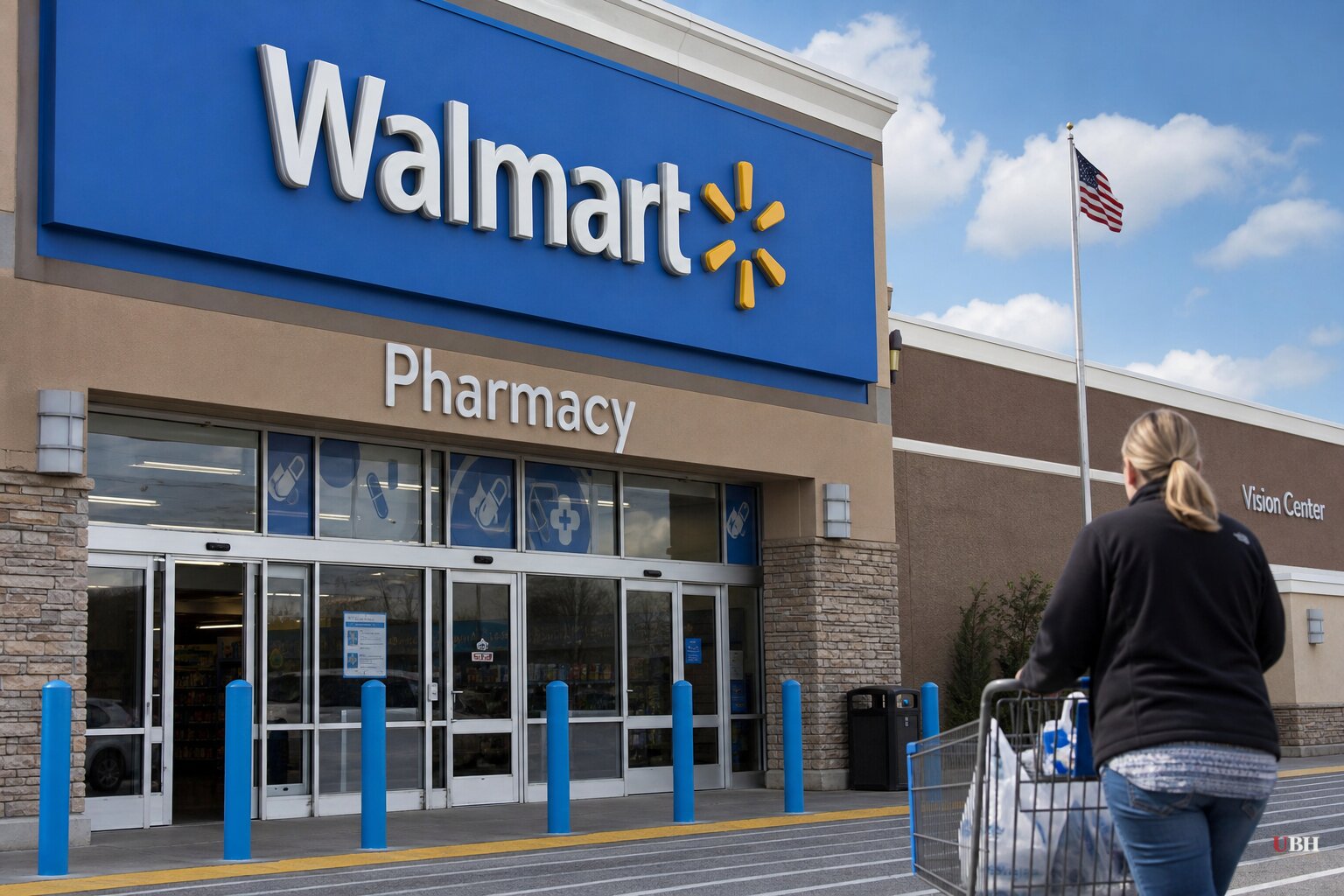
Walmart and the U.S. Department of Justice announced Friday, August 28, 2026, that they had settled the federal government's lawsuit accusing the retailer's pharmacies of unlawfully dispensing opioids. Neither side disclosed the settlement amount.
The Justice Department filed the original complaint in December 2020, accusing the Bentonville, Arkansas-based company of repeatedly violating the federal Controlled Substances Act since 2013. Federal prosecutors alleged Walmart pharmacies filled thousands of invalid prescriptions and failed to report suspicious drug orders, contributing to a crisis that killed more than 905,000 Americans from opioid overdoses between 1999 and 2025, according to the U.S. Centers for Disease Control and Prevention. The CDC says annual deaths have been declining since 2022.
A Justice Department spokesperson said in a statement, "The department is pleased to have reached a settlement with Walmart resolving allegations that its pharmacies failed to comply with their obligations under the Controlled Substances Act in dispensing opioids and other controlled substances." A separate department statement added the government "will continue to hold accountable companies and individuals whose unlawful prescribing, marketing, dispensing or distributing practices contributed to the opioid crisis."
A Walmart spokesperson responded, "We are pleased to resolve this matter and will continue supporting the exceptional work our pharmacists do every day to provide outstanding patient care." A joint stipulation dismissing the case was filed Thursday, August 27, in federal court in Wilmington, Delaware, according to Reuters.
What the case alleged and what got dismissed
In March 2024, U.S. District Judge Colm Connolly narrowed the lawsuit significantly. He dismissed claims that Walmart failed to report suspicious prescriptions to the Drug Enforcement Administration and that pharmacists failed to document "red flags" on prescriptions.
What survived was narrower: a claim that pharmacists dispensed prescriptions that Walmart's own compliance personnel knew were invalid, and a separate claim that pharmacists dispensed prescriptions they personally knew were invalid. Those were the allegations Walmart was still fighting when the settlement was reached.
Had Walmart lost at trial, the exposure was massive. The Justice Department said the company could have owed $67,627 for each unlawful prescription filled and $15,691 for each suspicious order it failed to report, according to CBS News. With nearly 4,600 pharmacies nationwide filling prescriptions for opioids, insulin, GLP-1 drugs and other medications, those per-violation penalties could have added up to billions.
Walmart's prior opioid settlements
Walmart already paid $3.1 billion in 2022 to settle thousands of lawsuits brought by state and local governments over its pharmacies' role in the epidemic. Reuters noted that CVS and Walgreens reached similar settlements with state and local governments that were larger than Walmart's.
Walmart wasn't singled out. Purdue Pharma pleaded guilty to criminal charges in 2020 tied to its painkiller OxyContin after filing for bankruptcy protection. Drug wholesaler Cencora, formerly AmerisourceBergen, was also targeted in the broader wave of opioid litigation. Reuters described the Walmart case as one of the most significant Justice Department actions against a single company over the epidemic.
Walmart shares rose 0.5% in morning trading Friday, according to Reuters, a modest move suggesting investors had already priced in the resolution or didn't view the outcome as a major financial hit.
Coverage of the settlement
The Reuters wire report, carried by WTVB, WMBD, KFGO and wiky.com, gave the most complete timeline: the 2020 filing, the 2024 narrowing of claims, the 2022 state settlement, and the broader industry context with Purdue and Cencora. CBS News added the specific per-violation penalty figures the DOJ had threatened, along with Walmart's pharmacy footprint. None of the outlets reported the actual settlement dollar amount, because neither Walmart nor the Justice Department disclosed it.
The government spent six years and multiple rounds of litigation pursuing this case, narrowed to two surviving claims about pharmacists knowingly filling invalid prescriptions. It then settled without telling the public what Walmart is paying. Given the potential per-violation penalties the DOJ had floated, the size of that undisclosed number would tell taxpayers whether this was a real deterrent or a rounding error for a company that pulled in over $680 billion in annual revenue. Court filings in Wilmington, Delaware could eventually surface those terms, but as of Friday, they haven't.
Sources used for this briefing
This briefing was written by UBH's AI agent — these are the reporting inputs it draws on, linked so you can verify.


