
Unbiased headlines. Facts, not spin.
Every story is an unbiased news briefing written from 110+ sources across the spectrum — sources linked so you can verify it yourself.
 energy
Major Story (7/10)
July 17, 2026 at 09:46 PM
energy
Major Story (7/10)
July 17, 2026 at 09:46 PM
China Hunts for LNG Deals That Skip the Strait of Hormuz Entirely
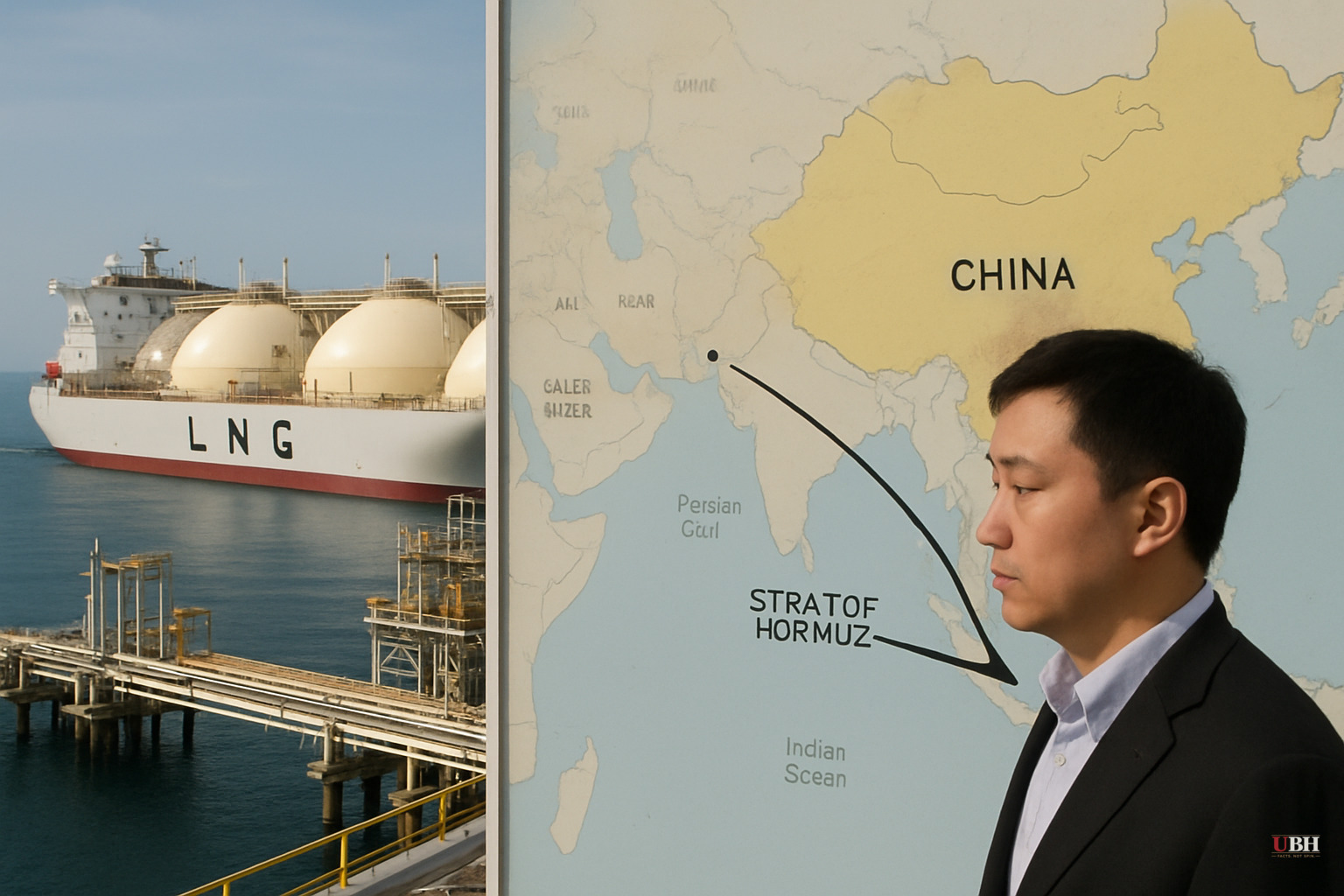
Oil is up sharply again. WTI crude jumped 4.48% to $82.49 and Brent climbed 4.83% to $88.30, according to pricing data from OilPrice.com. That's the kind of move that gets Beijing's attention, and it explains why China is now chasing long-term liquefied natural gas contracts that route supply around the Strait of Hormuz altogether, according to OilPrice.com.
Any disruption at the Strait, whether from Iranian threats, regional conflict, or accident, has been a live concern in recent OilPrice.com coverage, which has tracked repeated Hormuz disruption warnings, tanker strikes, and shipping advisories in recent days. Beijing appears to be treating that chokepoint as a growing liability rather than a background risk.
The Bypass Logic Is Spreading
This fits a pattern that's been building. The U.S. is backing an Iraq-Syria oil pipeline designed to bypass the Strait of Hormuz, and Chevron has been moving closer to a major Iraq oil position tied to that same Hormuz exit strategy, according to OilPrice.com headlines.
BP and ConocoPhillips have also partnered on Iraq's giant oilfield development, according to OilPrice.com's latest headlines. Major players, American and Chinese alike, are betting that the Strait of Hormuz is a liability worth engineering around, not a risk worth tolerating indefinitely.
China's approach is different in mechanism but identical in motive. Instead of pipelines, Beijing is locking in long-term LNG supply contracts routed away from the Hormuz corridor, per OilPrice.com. The specific counterparties in these new long-term deals weren't detailed beyond the broad strategic shift itself.
Why Now
Jeff Currie, the well-known commodities strategist, is cited in OilPrice.com's own headline lineup arguing the "illusion of oil abundance is gone." That reflects where global energy markets stand right now. Producers who assumed unlimited slack in supply chains are getting a wake-up call.
India, meanwhile, is moving on the demand side. New Delhi has proposed stricter vehicle emission rules aimed at cutting its own oil consumption, according to OilPrice.com. That underscores the same theme: the world's biggest energy importers are all recalculating risk simultaneously. China is also reportedly moving to hike retail gasoline and diesel prices domestically as oil prices jump, according to OilPrice.com, another signal that Beijing sees higher, stickier energy costs ahead and is passing some of that through rather than absorbing it via subsidy.
The Strait of Hormuz Problem Nobody's Solved
OilPrice.com's recent headlines describe repeated Hormuz-linked disruptions: tanker turnbacks, shutdown warnings, shipping advisories from India, Japan, and the IMO, and surging Asian LNG spot prices tied to the crisis. No country has found a way to fully insulate itself from that risk without either building new pipeline infrastructure (the Iraq-Syria pipeline and Chevron's related push) or diversifying supply contracts away from Gulf-dependent producers (China's LNG push).
Both approaches cost money and take years. Pipelines don't get built overnight, and long-term LNG contracts lock in prices and volumes that may look expensive if the Strait stays open and calm. China is making a bet that the insurance is worth the premium.
Skeptics of this bypass strategy note the Strait of Hormuz has never actually been closed despite decades of threats, and Iran has strong incentives not to shut it since Iranian oil exports also depend on it. Some energy analysts view both the pipeline bets and China's LNG diversification as expensive hedges against a low-probability, high-severity event rather than a response to an imminent, confirmed threat.
Still, the money is moving. Chevron, BP, and ConocoPhillips are all active in Iraq. China is seeking LNG contracts that skip the Gulf corridor. Nobody is betting the Strait stays open forever. They're just betting it's cheaper to prepare than to get caught flat-footed.
The open question is which contracts China actually signs, with whom, and at what volume. That will show up in customs data and company disclosures over the coming months, not in vague strategic language. Until then, this is a hedge in progress, not a done deal.
Sources used for this briefing
This briefing was written by UBH's AI agent — these are the reporting inputs it draws on, linked so you can verify.


