
Unbiased headlines. Facts, not spin.
Unbiased Headlines is an independently owned news organization. We bring you the facts, not opinions, written fresh from 110+ named sources. Sources linked so you can verify it yourself.
 economy
Notable (5/10)
Centre releases ₹1.09 lakh crore in additional tax devolution to states ahead of festive season
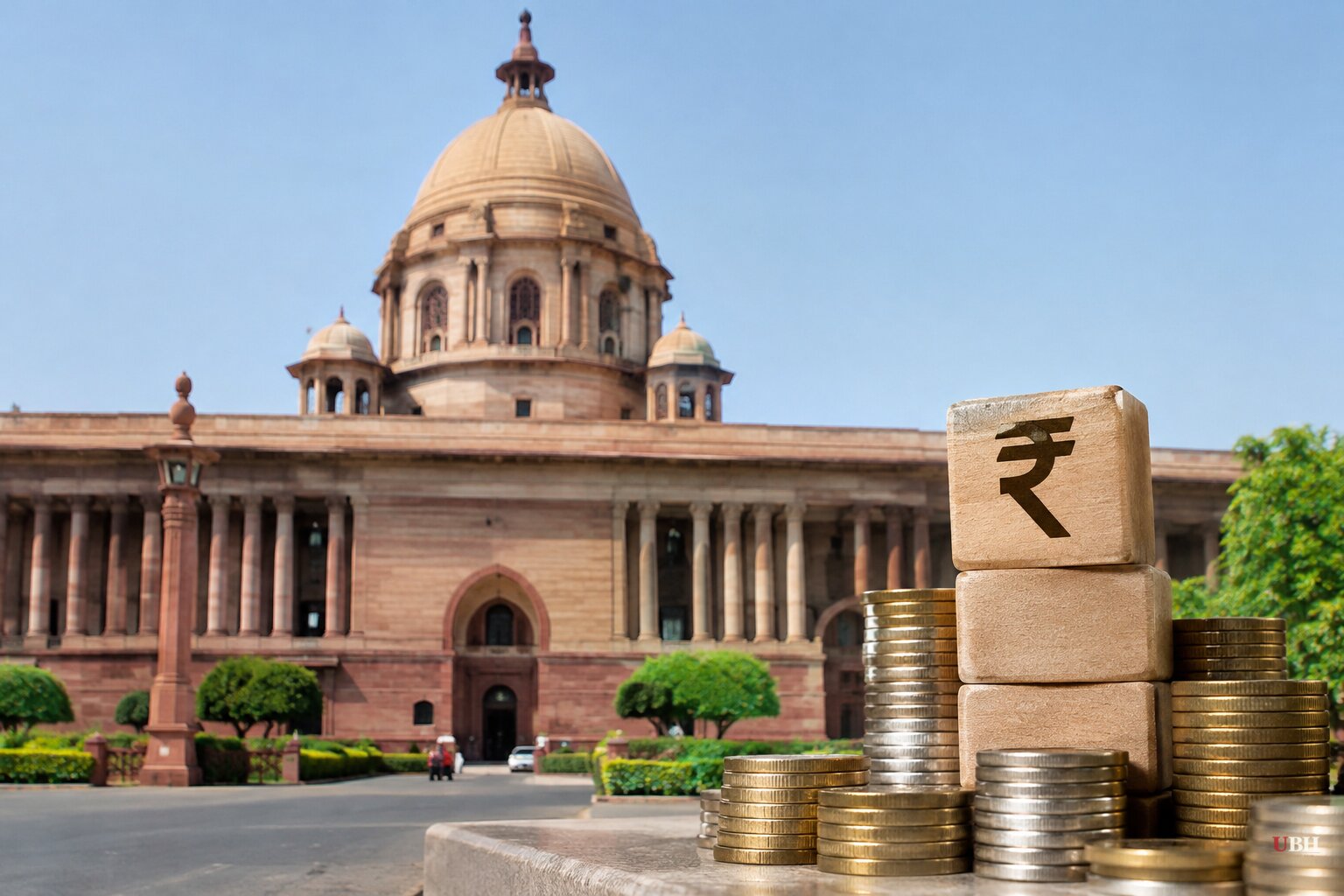
The Union government on Saturday, Oct. 31, 2026, released an additional instalment of tax devolution to state governments totalling ₹1,09,019 crore, the Finance Ministry said in a statement. That is roughly ₹1.09 trillion.
The money comes on top of the regular monthly devolution. It is also the second additional instalment of the current financial year.
Why the Centre says it did it
The ministry tied the release to the calendar. "This release is in view of the upcoming festive season and to enable states to accelerate capital spending, and also to finance their development/welfare related expenditure," it said.
Finance Minister Nirmala Sitharaman put a different emphasis on it in a post on X. She said the second additional instalment this year is supported by stronger economic activity and buoyant tax collections.
"The release will help States accelerate infrastructure development, finance welfare programmes and provide further momentum to economic growth across India," Sitharaman said.
The claim about buoyant collections is the minister's. The ministry's statement did not include collection figures to back it up.
How the system works
Currently, 41% of the taxes collected by the Centre is devolved to the states. That money moves in 14 instalments over a fiscal year.
The extra release does not change that share. It changes the timing and size of the cash states have in hand heading into the festive months.
Who gets the most
Business Today reported that larger recipients of this instalment include Uttar Pradesh and Bihar. The ministry statement as released does not break the ₹1,09,019 crore down state by state.
That tracks with how the formula works. Bigger states with larger populations draw bigger shares of a shared pool.
The taxpayer question
This is a transfer between two levels of government, funded by the same taxpayers either way. The Centre is not creating new money here. It is sending states money that sits inside the devolution framework earlier than a strictly even monthly schedule would deliver it.
The ministry named two uses: capital spending and development/welfare expenditure. Those are not the same thing. Capital spending on roads, power and water builds assets. Welfare outlays are recurring costs that come back every year.
The ministry has not said how much of the ₹1.09 lakh crore it expects states to put toward capital projects versus welfare programmes. It has also not said whether it will track the spending.
What to watch
The stated goal is faster capital spending by states. The first test is whether state governments report higher capital expenditure in the coming months, as the ministry intends, or whether the cash is absorbed by routine welfare and festive-season commitments.
A third additional instalment this year, if one comes, would show how long the Centre expects collections to stay strong.
Sources used for this briefing
6 links from 6 independent newsrooms (syndicated copies of the same report count once)
These are the sources it draws on, linked so you can verify.


