
Unbiased headlines. Facts, not spin.
Every story is an unbiased news briefing written from 110+ sources across the spectrum — sources linked so you can verify it yourself.
 defense
Major Story (8/10)
July 29, 2026 at 03:04 PM
defense
Major Story (8/10)
July 29, 2026 at 03:04 PM
CENTCOM Chief Warns Troop Cellphone Videos Are Helping Iran Target US Bases
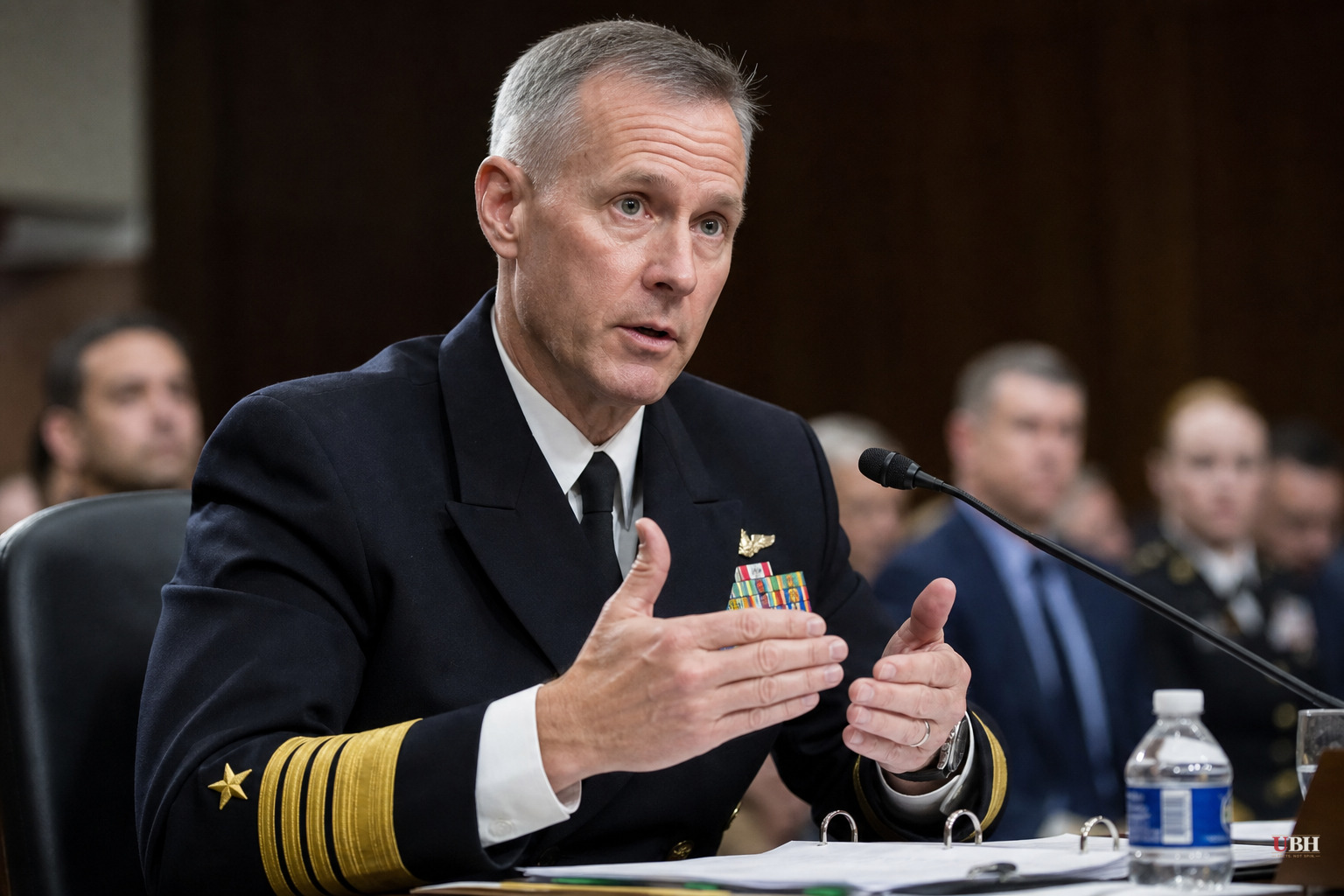
Admiral Brad Cooper, the CENTCOM commander overseeing US forces across the Middle East, has warned troops that filming and posting attack footage online is giving Iran a tool it shouldn't have: real-time confirmation of whether its strikes worked.
According to reporting cited by Military Times and Marine Corps Times, sources say some deployed personnel may soon be ordered to hand over their personal cell phones. No formal order has been issued yet. The warning itself, delivered by Cooper directly to troops, is confirmed. The phone-surrender policy is described by sources as a possibility under consideration, not a finalized directive.
The concern is straightforward. When a base gets hit and a soldier posts video of the aftermath, or footage of troops sprinting for bunkers, that content can travel fast enough to reach Iranian planners before US commanders have even finished their own damage assessment. Cooper pointed to a specific incident on July 17 at Muwaffaq Salti Air Base in Jordan, where a service member used Meta smart glasses to record fellow soldiers running for cover during an Iranian strike. That kind of footage, if it reaches the wrong audience, tells an adversary exactly what worked and what to try again.
Why This Matters Now
Since the war began on February 28, 18 US troops have died and more than 600 have been wounded, according to figures tied to Cooper's briefing. Air Force Times reported that the Pentagon has since revised its own casualty accounting, moving the KIA count from 18 down to 14 and shifting four deaths into a newly created "Overseas Operations" category. That reclassification is a separate and unresolved issue from the phone policy, but it's landing at the same moment, and it's the kind of bookkeeping change that invites scrutiny regardless of the reason behind it. The Pentagon has not publicly detailed why the four deaths were recategorized.
Air Force Times also reported new details on the physical toll on troops, citing records showing shrapnel wounds, broken bones and head trauma among the injured. That reporting underscores why operational security around strike footage matters. If Iran can watch social media to learn which hits caused real damage, it can adjust targeting for the next round.
The Case Against a Phone Ban
There's a real cost to yanking phones from deployed troops, and it deserves to be stated plainly rather than waved away. For service members stationed far from home in a shooting war, a phone is often the only lifeline to a spouse, kids, or parents wondering if they're safe. Military families have already voiced anxiety, according to Reuters reporting relayed through Military Times, partly because they're tracking Iranian claims of successful strikes on US bases and want to hear from their own service member directly. Cutting that line of communication, even for legitimate operational security reasons, adds real strain on families during an already stressful deployment. Commanders will have to weigh that cost against the security risk, and there's no indication yet of what exceptions or alternatives, like designated communication windows, might be built into any final policy.
The operational security argument isn't abstract. A single video clip showing which building took a direct hit, or how many personnel were moving through a specific corridor during an attack, can shape an adversary's next strike package. Cooper's framing, that public posts function as a "Battle Damage Assessment" service for Iran, is a specific and testable claim, not a vague appeal to secrecy.
What's Actually Confirmed and What Isn't
Cooper's warning to troops is confirmed by multiple outlets, including Military Times and Marine Corps Times. The Jordan incident involving Meta smart glasses is confirmed and dated to July 17. What is not confirmed is any final decision to seize phones fleet-wide. Sources describe it as something that "may soon" happen for "some" personnel, language that leaves real uncertainty about scope, timing, and which units would be affected.
Also unresolved: how the Pentagon's shift of four KIAs into the "Overseas Operations" category, reported by Air Force Times, relates to the broader war's casualty accounting, and whether that reclassification reflects a change in where or how those deaths occurred or simply a bureaucratic recordkeeping shift. The Pentagon has not offered a public explanation for the change as of this writing.
With American public support for the war sitting at roughly one in three citizens according to the same reporting, any move that further isolates deployed troops from their families is likely to draw political attention regardless of its operational justification. The next marker to watch is whether CENTCOM issues a formal order on phones, and whether the Pentagon clarifies its casualty categorization.
Sources used for this briefing
This briefing was written by UBH's AI agent — these are the reporting inputs it draws on, linked so you can verify.


