
Unbiased headlines. Facts, not spin.
Unbiased Headlines is an independently owned news organization. We bring you the facts, not opinions, written fresh from 110+ named sources. Sources linked so you can verify it yourself.
 energy
Notable (6/10)
Event date: October 10, 2026 ·
energy
Notable (6/10)
Event date: October 10, 2026 ·
California Becomes 10th State to Legalize Plug-In Solar, With Law Set to Take Effect Jan. 1
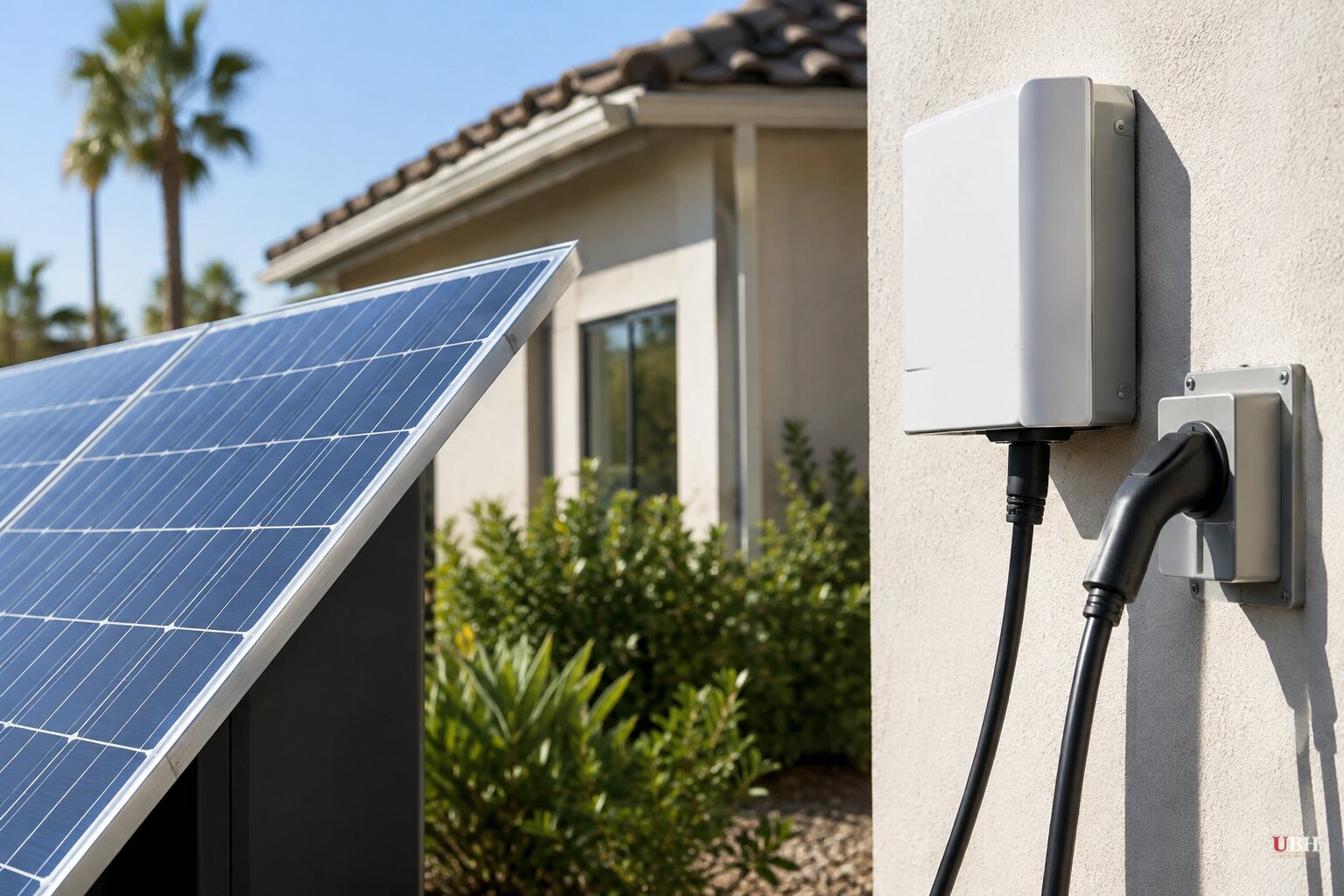
Plug-in solar is spreading fast. Utah passed the first law in 2025. Nine states have followed, and California is the latest.
Gov. Gavin Newsom signed Senate Bill 868 on Sept. 30, the last day he could act on bills from the 2026 session. The law takes effect Jan. 1, 2027.
What California's law does
SB 868, by Sen. Scott Wiener of San Francisco, covers "portable solar generation devices." These are photovoltaic units that connect to a building's wiring through an ordinary outlet and offset power used on site.
A single dwelling can have devices with a combined AC output of up to 1,200 watts. Each device must be certified by UL or an equivalent testing lab.
The law exempts the devices from utility interconnection requirements. Utilities cannot charge fees or demand that customers get permission first.
Bernadette Del Chiaro, senior vice president at the Environmental Working Group, one of the bill's sponsors, says the old process cost $150 up front. She calls the interconnection agreements hard to follow and says utilities were "putting up a lot of red tape and barriers."
A late amendment sunsets the law in 2030. Del Chiaro says that pause is meant to let lawmakers review how the program is working.
Who is on the list
Utah's HB 340 took effect in May 2025. The nine other states, with effective dates as listed in their laws:
- Vermont and Maryland: July 1, 2026
- Maine: July 29, 2026
- Colorado: Aug. 12, 2026
- Connecticut: Oct. 1, 2026
- California, Virginia and New Hampshire: Jan. 1, 2027
- New Jersey: March 1, 2027
So as of today, Oct. 17, plug-in solar is already operating under law in Utah, Vermont, Maryland, Maine, Colorado and Connecticut. The rest start in the new year.
Thirty-five states considered plug-in bills in 2026, according to pv magazine USA. New York's legislature approved the SUNNY Act in June. It still awaits Hochul's signature.
Massachusetts bills H.5175 and S3143 are advancing. Michigan, Ohio, Pennsylvania, Rhode Island, South Carolina and Washington, D.C., have had committee hearings.
Bills in a dozen states, including Alaska, Arizona, Illinois, Indiana and Minnesota, are stalled until the 2027 sessions. Bills failed in Georgia, New Mexico, Oregon, Washington and Wyoming. Sponsors there must file new legislation.
The savings, and their limits
The pitch is cost. National Geographic reports that these setups typically use one to three panels and supply 10 to 30 percent of an average home's electricity, according to Jennifer Eden of Utah Clean Energy.
According to the Philadelphia Citizen, a traditional 5kW rooftop array runs $11,100 to $22,400. A plug-in array costs roughly $300 to $2,000.
Del Chiaro says one California panel sells for about $270 and would save the average ratepayer $100 to $150 a year. She says it would pay for itself in a year or two. She expects prices to fall about 50 percent within a couple of years.
Bright Saver, the nonprofit pushing these laws nationally, estimates each panel produces about 270 kWh a year. Its calculator puts the 10-year savings for a 180-watt unit in Philadelphia at $535.
Those are modest numbers. These systems supplement a home's power. They do not replace it, and actual savings depend on sunlight, local rates and household use.
Joshua Pearce, an electrical engineer at Western University in Ontario, is bullish. He predicts the technology will "take off like hotcakes." He calculates that widespread adoption could save U.S. residents about $13 billion a year.
The utilities' objections
The obstacles are real. Most U.S. household electrical systems were not designed to receive power through a wall outlet. Electrical codes, utility rules and equipment certification requirements make legal installation difficult, ZDNET notes.
Del Chiaro says California's utilities were the bill's lone opponent. Her group answers the fire-risk concern with the certification rule. She says that starting in January every device, whether sold on Amazon, at Home Depot or at Ikea, must be "certified to the strictest safety standards."
The laws also do not settle everything. They mainly stop utilities from blocking these systems. They generally cannot override bans by landlords or homeowners associations, and some states have introduced separate bills on that front, ZDNET reports.
That matters for the renters these laws are marketed to. California's law removes the utility's veto. It does not obviously give a tenant the right to bolt panels onto a balcony over a landlord's objection.
Pennsylvania's version
In Pennsylvania, Democratic state Rep. Chris Pielli of Chester County has introduced House Bill 1971 to legalize the systems. It has 38 co-sponsors, mostly Democrats and a handful of Republicans.
PECO raised rates last year, and Philadelphia power bills rose about 10 percent, the Citizen reports. "People are really hurting," Pielli says. "This is a really good way of lowering power bills and cutting red tape."
The appeal is simple: a homeowner or tenant buys a certified device and uses it without asking a utility for permission. Whether the savings justify the hassle is for each household to decide.
What comes next
Hochul has not yet acted on New York's SUNNY Act. If she signs it, New York would be the 11th state.
California's law starts Jan. 1, and its 2030 sunset will force lawmakers to review it. The states with stalled bills will take them up again when their legislatures reconvene in 2027.
Sources used for this briefing
7 links from 7 independent newsrooms (syndicated copies of the same report count once)
These are the sources it draws on, linked so you can verify.


