
Unbiased headlines. Facts, not spin.
Unbiased Headlines is an independently owned news organization. We bring you the facts, not opinions, written fresh from 110+ named sources. Sources linked so you can verify it yourself.
 energy
Major Story (7/10)
Event date: October 16, 2026 ·
energy
Major Story (7/10)
Event date: October 16, 2026 ·
Bessent Demands World Bank Rescind Upstream Oil and Gas Ban, Skips Bangkok Meetings
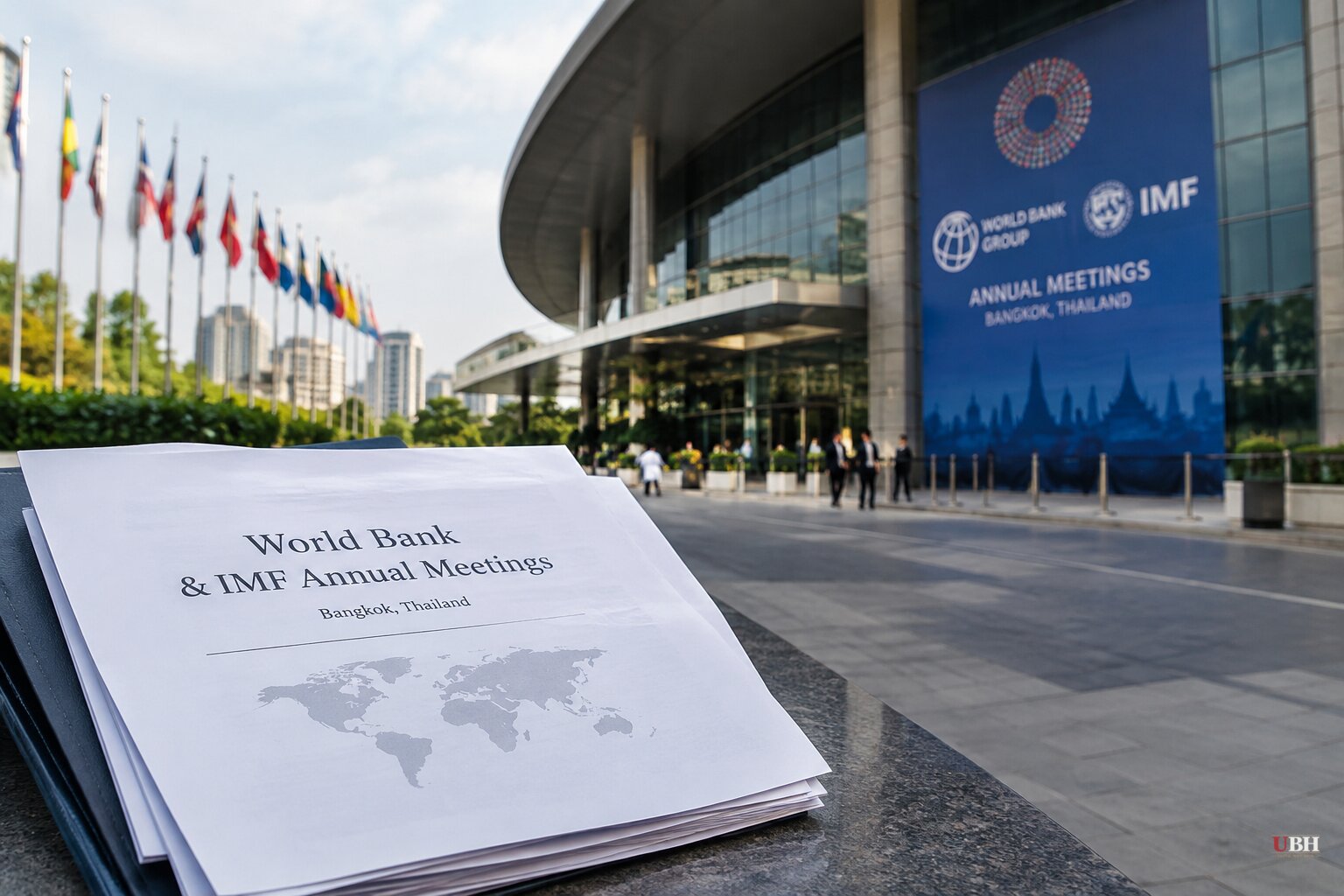
Scott Bessent did not go to Bangkok. He sent a list of demands instead.
The U.S. Treasury secretary issued a written statement late Wednesday, Oct. 14, to the steering committees of the World Bank and the International Monetary Fund during their annual meetings. The headline item: end the World Bank's ban on financing upstream oil and gas projects.
The energy demand
The Treasury called on the World Bank Group to "formally rescind" the restriction. Bessent wants a "technology-neutral" approach, with borrowing countries choosing their own energy mix.
"The Bank cannot credibly invoke country ownership while categorically excluding upstream projects before their development merits are even assessed," Bessent said.
The policy dates to 2017, when the World Bank announced it would stop financing new upstream oil and gas projects after 2019. It carved out limited exceptions for upstream natural gas in the poorest countries where energy access needs are acute. The Bank still supports certain gas-related investments under its broader energy framework.
Bessent argued developing countries need reliable, affordable energy to drive growth, industrialization and jobs. He pointed to the joint World Bank and African Development Bank goal of bringing energy access to another 300 million people in Africa. Hitting that target, he said, requires removing restrictions on gas financing and responding to demand for gas projects.
The U.S. also welcomed approval of an International Development Association project aimed at securing near-term gas supplies, preparing midstream and downstream investments, and developing gas strategies in West Africa.
Nuclear, minerals and deep-sea mining
The statement was not only about hydrocarbons. The Treasury said it is making an initial contribution to a new World Bank-administered Nuclear Energy Assistance Trust Fund. The fund is meant to help countries lay the groundwork for future nuclear power investment.
On critical minerals, the Treasury said the Bank has an important role in building mining and processing capacity. That includes deep-sea mining, "where the Bank can play a catalytic role by providing knowledge and guidance in a nascent sector."
China, Poland and procurement
Bessent also pressed for faster "graduation" of wealthier borrowers such as China and Poland from World Bank lending. He wants procurement rules reformed so they do not encourage subsidies or reward distortive industrial policies. The Bank should "pursue procurement reforms that result in greater competition and quality," the statement said.
Thai Examiner's account of the statement adds a demand to end World Bank lending to China outright. It also says Bessent targeted executive board salaries and budgets, which that account puts at more than $200 million a year.
For the IMF, the message was blunter. The Treasury said the Fund must do more analysis of global imbalances, including the effects of non-market policies and exchange rates. Reuters described the passage as a veiled reference to U.S. criticism of China.
"The IMF was founded to prevent these kinds of distortive policies and negative spillovers, and must exercise its voice on this critical issue or risk being sidelined," the statement said.
An absent messenger
Bessent stayed in the United States, citing domestic commitments, according to Thai Examiner. Deputy Treasury Secretary Francis Brooke and Under Secretary for International Affairs Erin Browne led the American delegation. That leaves an awkward picture: a demand for sweeping reform of two institutions, delivered in writing by a Treasury chief who did not show up. The Treasury's written statement is the formal U.S. position either way.
The host country is in the middle of its own struggles. Thailand is dealing with weak growth, debt and growing industrial competition, according to Thai Examiner.
What the policy fight is about
The dispute is about how a development lender balances climate-focused lending rules against what poorer countries say they need. Bessent's argument is that the Bank's upstream exclusion overrides the borrower's own judgment before a project is even evaluated. The 2017 policy built in exceptions for the poorest countries because energy access was the stated concern.
The Bank's own exceptions and its continuing gas-related lending show the line is not absolute. The U.S. wants it erased, not adjusted.
The World Bank has not announced any change to the upstream policy. Any relaxation would depend on formal decisions by the institution, and Bessent's call for faster graduation of China and Poland would collide with the borrowing interests of the countries named. Whether other shareholders follow Washington's lead remains unresolved after Bangkok.
Sources used for this briefing
7 links from 6 independent newsrooms (syndicated copies of the same report count once)
These are the sources it draws on, linked so you can verify.


