
Unbiased headlines. Facts, not spin.
Unbiased Headlines is an independently owned news organization. We bring you the facts, not opinions, written fresh from 110+ named sources. Sources linked so you can verify it yourself.
 energy
Major Story (7/10)
energy
Major Story (7/10)
Energy Department Seeks Bids to Lend 17 Million More Barrels From Strategic Reserve
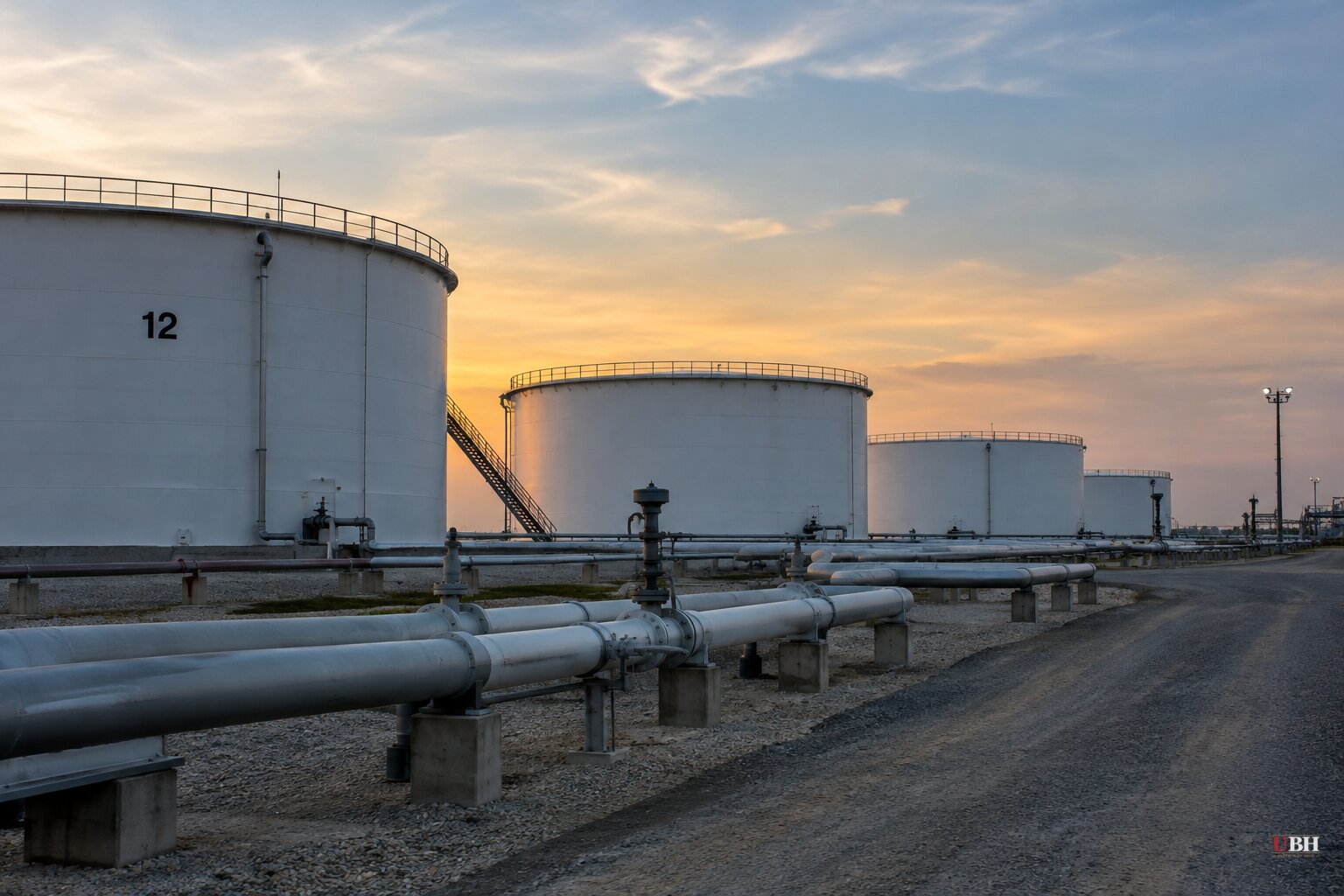
Since the U.S. committed in March to lend 172 million barrels from its emergency stockpile, the Energy Department has run a string of sales and exchanges. Today, Oct. 16, it opened another.
The department issued a request for proposals for an exchange of up to 17 million barrels of crude. Companies would borrow oil from the Strategic Petroleum Reserve and return it later with extra barrels as a premium.
Quantum Commodity Intelligence counts it as the seventh reserve crude sale since the war with Iran began on Feb. 28. The same service says awards from the prior sale are now surfacing.
How the 172 million barrels has been moving
The U.S. pledge is its share of a 400-million-barrel International Energy Agency release agreed in March by more than 30 countries.
In May, the department announced a loan of 53 million barrels from reserve sites in Louisiana and Texas. In June, a round offering the remaining barrels drew almost no interest. Companies agreed to borrow only about 500,000 barrels, with return terms carrying premiums of up to 24 percent.
On Sept. 29, the department offered up to 40 million barrels, which it described as the final portion of the pledge. The 17 million barrels announced today is a further offer. The department has not said what return premium it is seeking this time or how today's volume relates to what was awarded from the September round.
The department's case
The department says the exchange structure protects taxpayers. Borrowers must repay with more barrels than they received, so oil reaches the market now and the reserve ends up with more later.
"Thanks to President Trump, these exchanges will also ensure America's Strategic Petroleum Reserve continues to be refilled, while saving taxpayers more than $3 billion," Energy Secretary Chris Wright said on Sept. 29. He also said the U.S. and Japan are delivering on their commitments while several European members "have released only a fraction" of what they pledged.
The price backdrop
The offer lands with crude well above where it sat when the September round went out. OilPrice.com's market ticker today showed WTI near $101.70 and Brent near $109.90, each up about 3.8 percent on the day.
Tracey Ryniec, a stock strategist at Zacks Investment Research, criticized the September round on X. "I'm shocked they are bidding out the last 40 million barrels," she wrote. "That tells me they are desperate to keep oil prices around $80 to $90 for another few weeks." She added that the release would take the reserve below 250 million barrels, which she called a "very dangerous level to go."
The department has not responded to that characterization in the statements on record. Prices have since moved far past the range she cited.
A reserve at its lowest in decades
According to the Energy Department's figures, the reserve held 283.8 million barrels in a recent weekly reading. That is the lowest since 1982. It normally holds 500 to 600 million barrels, against a maximum capacity of 714 million.
The U.S. is still pumping heavily. The Energy Information Administration puts June output at about 13.8 million barrels per day, just under the October 2025 record of roughly 14 million.
Diesel is the choke point
Crude is not the tightest part of the market. The Wall Street Journal reported that crude is moving through the Strait of Hormuz at about 76 percent of prewar levels. Refined products such as diesel make up only 11 percent of cargoes, down from more than 20 percent before the war.
JPMorgan analysts said the crude market has "largely normalized even as refined product supplies remain constrained." Missile strikes and war-related outages have knocked Middle East diesel refineries offline.
In recent weeks, G7 leaders agreed to release 100 million barrels of oil and diesel over four months, with a frontloaded diesel release in the first 20 days. Andy Lipow of Lipow Oil Associates told NBC News the release could temporarily cut diesel prices by about 25 cents per gallon but "does little to increase refinery capacity."
Politico reported that the White House dropped a planned 90-day diesel export ban once the G7 deal came together. "We're not going to be doing the export ban," Trump said.
Separately, earlier this month Trump reached an agreement with Russian President Vladimir Putin to allow Russian diesel exports, starting with an initial 300,000 tonnes. Ukraine and European leaders criticized the arrangement.
What comes next
The open question is whether anyone bids. The June exchange moved about 500,000 barrels of a much larger offering, and the department has not disclosed the premium terms for this one.
With the midterms on Nov. 3, the volume of barrels actually awarded from this request for proposals will show how much appetite refiners and traders have for borrowing from a reserve at a 44-year low.
Sources used for this briefing
7 links from 6 independent newsrooms (syndicated copies of the same report count once)
These are the sources it draws on, linked so you can verify.


