
Unbiased headlines. Facts, not spin.
Unbiased Headlines is an independently owned news organization. We bring you the facts, not opinions, written fresh from 110+ named sources. Sources linked so you can verify it yourself.
 energy
Major Story (8/10)
Event date: October 11, 2026 ·
energy
Major Story (8/10)
Event date: October 11, 2026 ·
Iran Moved at Least Eight LPG Tankers and a Jet Fuel Cargo Past the US Blockade Since July, Reuters Reports
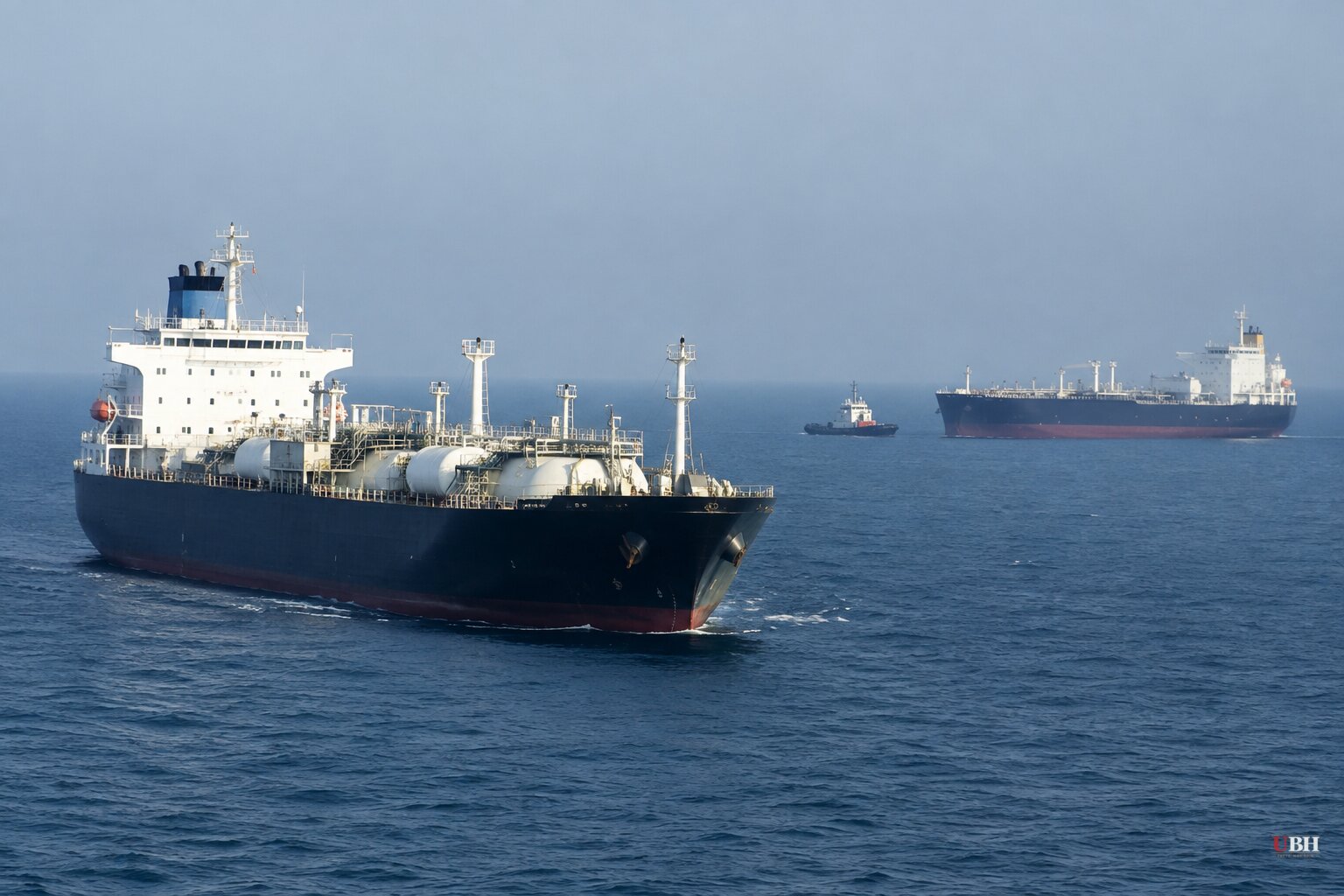
Since the US naval blockade of Iran-related oil exports began on April 13, Tehran's crude exports have been choked off. Now there is evidence that refined products are getting through in small amounts.
Iran has exported some liquefied petroleum gas and jet fuel since July, according to an exclusive Reuters report published today, Oct. 16. Four people in maritime security who track Gulf oil movements told Reuters that Tehran has in recent weeks hidden such cargoes among a growing volume of ship-to-ship transfers by other Gulf producers off Oman.
What got through
Analysis by United Against Nuclear Iran (UANI), a US advocacy group that tracks Iran-related tanker traffic by ship and satellite, found at least eight gas tankers carrying Iranian LPG have left the Gulf of Oman since mid-July. Jemima Shelley, a UANI senior research analyst, put the total at about 4.1 million barrels.
Some tankers transferred cargo near the Omani towns of Shinas and Sohar. Others waited in the Gulf of Oman before sailing past the blockade line, which US Central Command says runs across the Gulf of Oman near the Iran-Pakistan border.
Most of the cargoes went on to Malaysia's Eastern Outer Port Limits for further transfers, with China the likely final destination, Shelley said based on UANI's analysis.
A separate tanker carrying Iranian jet fuel reached Myanmar in September, according to satellite imagery and analysis by the maritime intelligence group SynMax. Washington sanctioned Myanmar's jet-fuel industry in 2023 over military airstrikes on civilians that the United Nations says have killed thousands. Myanmar's military government denies targeting civilians and says it is fighting armed groups. It did not respond to a request for comment on whether it received Iranian jet fuel.
A Reuters analysis of US Treasury sanctions lists found that six of the eight gas tankers and the jet fuel tanker are already under US sanctions for carrying Iranian petroleum and petrochemicals. The Iranian government did not respond to a request for comment.
How much does it change the picture?
Not much, by the account of the analyst who did the tracking. "What we have seen passing is a handful of tankers carrying Iranian LPG, but the overwhelming majority of tankers laden with Iranian products have been redirected by US forces," Shelley said.
Shelley described the shipments as driven "more by opportunism" than a new push to export oil and petrochemicals on smaller ships. CENTCOM continues to call the blockade "ironclad."
Still, these are rare documented cases of petroleum products crossing a blockade that has stopped Iran's crude shipments.
Pressure at home
Inside Iran, the strain shows. Government spokeswoman Fatemeh Mohajerani said at her weekly press conference that attacks on the energy sector cost Iran 230 million cubic meters of gas capacity, of which authorities are trying to restore 100 million. She said governors of northern provinces have been warned of possible winter fuel shortages.
Parliamentarian Jafar Ghaderi said Iran is short 15 to 20 million liters of gasoline a day, with some 83 percent of its refined fuel imports cut off by the blockade. Breitbart reported the rial has fallen to a record 2.5 million to the dollar, down from 2.2 million at the start of September.
In Golestan province, Deputy Governor Seyed Medhi Mahiai warned that gas purchase limits and outright outages could last up to 90 days. The Iranian National Gas Company rejected that as an unofficial estimate.
Hormuz attacks continue
Tehran is not easing off the strait. CNN reports more than a dozen strikes on shipping since the end of September, keeping crude above $100 a barrel. Shipping industry experts told CNN that six commercial vessels were reportedly struck in and around Hormuz on a single Sunday, the most in one day since the war began.
The UAE National Guard said it rescued 22 Indian crew members after a tanker fire. The IRGC navy claimed a supertanker hit a naval mine while trying to leave the strait by a route Tehran had not authorized.
IRGC chief Ahmed Vahidi framed it as a matter of sovereignty. "No extra-regional power has the right to threaten, maintain a domineering presence, or interfere in it. The Strait of Hormuz is Iran's strategic red line," he wrote on X. Washington says free navigation in international waters is inviolable, a position the Gulf states, who depend on the strait for trade, share.
Politics
President Trump wrote on Truth Social that the US will not attack Iran before the Nov. 3 midterm elections, adding that the administration is "having productive discussions" with Tehran and that his main goal is keeping Iran from getting a nuclear weapon.
Trump has also said the US does not know who to deal with in Iran. "For the most part, their leaders are gone," he said at a Texas factory appearance, and he predicted victory "right after the election—but maybe before the election."
The no-strike pledge covers only the period through Nov. 3. Iran's attacks on Gulf shipping and the US blockade are both still going, and the Hormuz dispute that Vahidi calls non-negotiable is unresolved.
Sources used for this briefing
6 links from 6 independent newsrooms (syndicated copies of the same report count once)
These are the sources it draws on, linked so you can verify.


