
Unbiased headlines. Facts, not spin.
Unbiased Headlines is an independently owned news organization. We bring you the facts, not opinions, written fresh from 110+ named sources. Sources linked so you can verify it yourself.
 energy
Notable (6/10)
energy
Notable (6/10)
Filipino Households Rush to Rooftop Solar After Iran War Lifts Power Costs
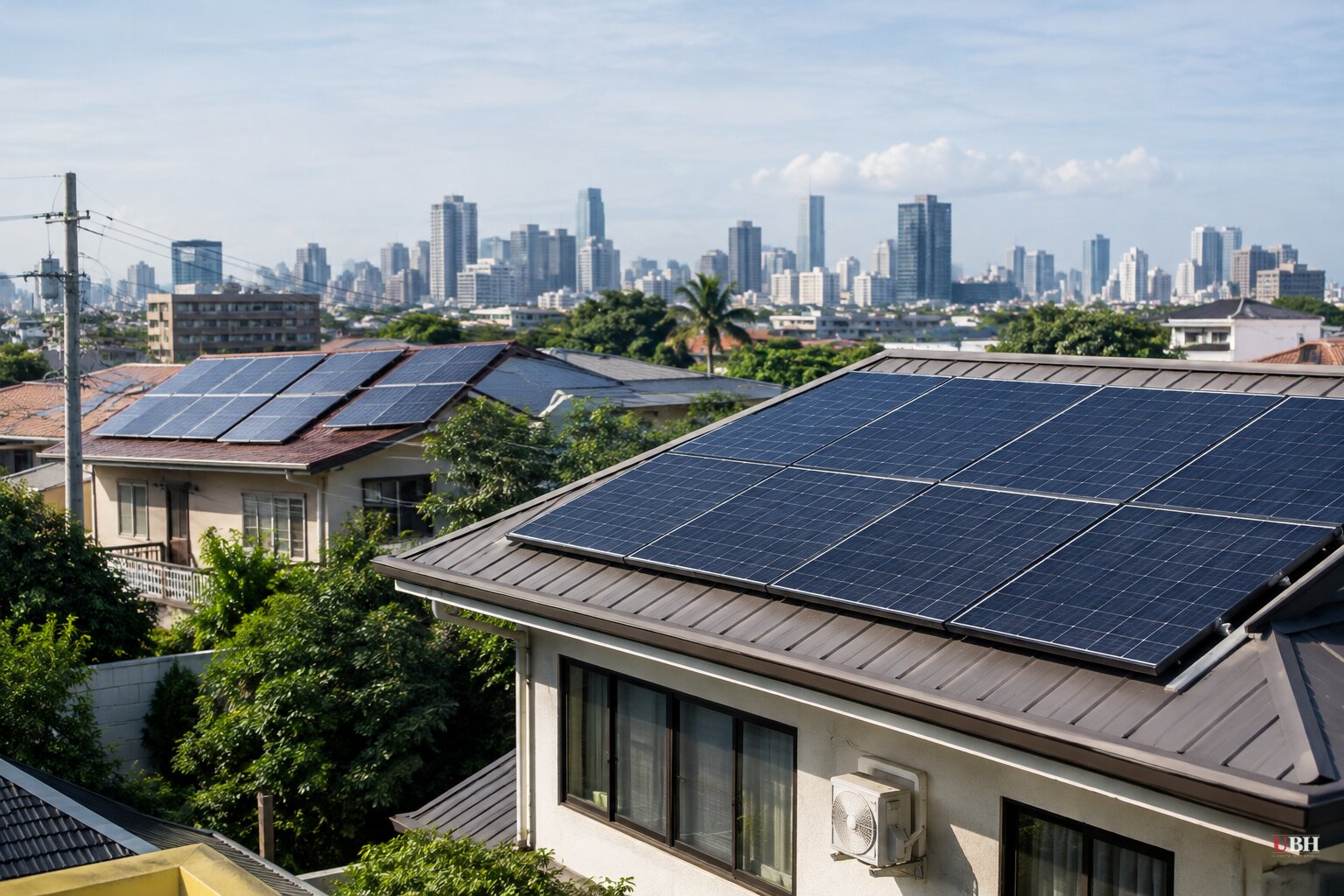
The Philippines was already paying the highest electricity prices in Southeast Asia before the U.S.-Israel war on Iran began in late February. Only Singapore, where average income is more than 10 times higher, came close. Now Filipino homeowners are doing something about it.
Rooftop solar capacity in the country has nearly doubled since early 2025, according to the energy think tank Ember.
A panel rush with a waiting list
From March to May alone, the Philippines imported $407 million worth of panels from China, according to Chinese government trade data. That made it the largest single overseas market for the period. Only the Netherlands bought more, and it redistributes panels across Europe.
Lexus Grepo, CEO of the supplier Solarmaxx, says shipments cannot keep up. "There is a 30-day wait because solar panel shipments can't keep up," he said. Solarmaxx ran 40 projects in March, almost triple its usual monthly clientele, and has installed 25 to 30 systems a month since.
Grepo does not expect the rush to fade if tensions ease and shipping routes reopen. "Filipinos now see that they don't necessarily have to be at the mercy of the global energy market," he said.
One family's math
Keith Cantera of Manila says his family's monthly electricity bill rose from about $150 before the war to as much as $220. They had considered solar for years but balked at a price tag of up to $5,000.
They are now having panels installed. Cantera says the cost equals three or four years of current bills, and that the system will pay for itself in year five. "Electricity will essentially be free," he said.
Why the grid is so exposed
The Philippines is one of the few countries in the region that does not subsidize electricity. Imported coal and gas supply more than 70% of its power mix.
The peso has also slid to a record low of more than 63 to the U.S. dollar, which makes every imported fuel cargo costlier.
President Ferdinand Marcos Jr. declared a national energy emergency in late March, citing what he called "imminent danger" to the national energy supply. Electricity rates have kept climbing since.
What the government is doing
Manila has launched loans for residential rooftop systems, but they are open only to public-sector workers. That leaves most households paying upfront on their own, as the Canteras are.
The state is also backing utility-scale projects. One is a 3,500-hectare solar farm north of Manila, projected to generate 850 megawatts for 2.4 million households once fully operational.
A regional analysis released September 24 by Zero Carbon Analytics counted 22 energy policy measures in the Philippines between February 28 and August 31. That was the most of the six Southeast Asian economies studied. Thirteen of them involved renewables or electrification.
Energy Secretary Sharon Garin welcomed the findings. She said the country has to handle immediate supply and price pressure while building up domestic energy sources to shield itself from external disruptions.
The Department of Energy targets a 35% renewable share of generation by 2030 and 50% by 2040. Its Green Energy Auction Program runs a 10-year schedule from 2027 to 2035 and aims for at least 25 gigawatts of new renewable capacity.
Garin said progress will depend on turning policy into operating capacity, reliable delivery and real benefits for consumers.
The other argument about energy shocks
Not everyone draws the same lesson from the war's price spike. A Fox News opinion column on U.S. heating costs argues that the Iran war explains the timing of higher bills but not the vulnerability. Its case is that blue-state policy is the problem.
The column points to New York's blocked pipelines and notes the Constitution Pipeline fight is now 10 years old. The state denied a water permit in April 2016, and the company withdrew a renewed application in November 2025 after three notices that it was incomplete.
The column also cites a U.S. refinery count of 130, down from 301 in 1982, and no major new refinery since 1976. Its author says America produces enormous amounts of oil and gas but loses the benefit because oil trades on a world market and state policy limits supply.
That argument rests on a country with large domestic production. The Philippines has no such cushion. With imported fuel above 70% of its power mix, Filipino households are buying their own generation.
What comes next
The war is not over. Al Jazeera reported this week that two vessels have been struck by naval mines in the Strait of Hormuz, with both the U.S. and Iran claiming control of the waterway.
The open question is whether upfront cost will cap the boom. Panels are backordered for 30 days, rates are still rising despite the emergency declaration, and the rooftop loan program is limited to public-sector workers.
Sources used for this briefing
7 links from 7 independent newsrooms (syndicated copies of the same report count once)
These are the sources it draws on, linked so you can verify.


