
Unbiased headlines. Facts, not spin.
Unbiased Headlines is an independently owned news organization. We bring you the facts, not opinions, written fresh from 110+ named sources. Sources linked so you can verify it yourself.
 tech
Major Story (8/10)
California AG Subpoenas Nvidia Over Possible China Chip Diversion and Investor Disclosures
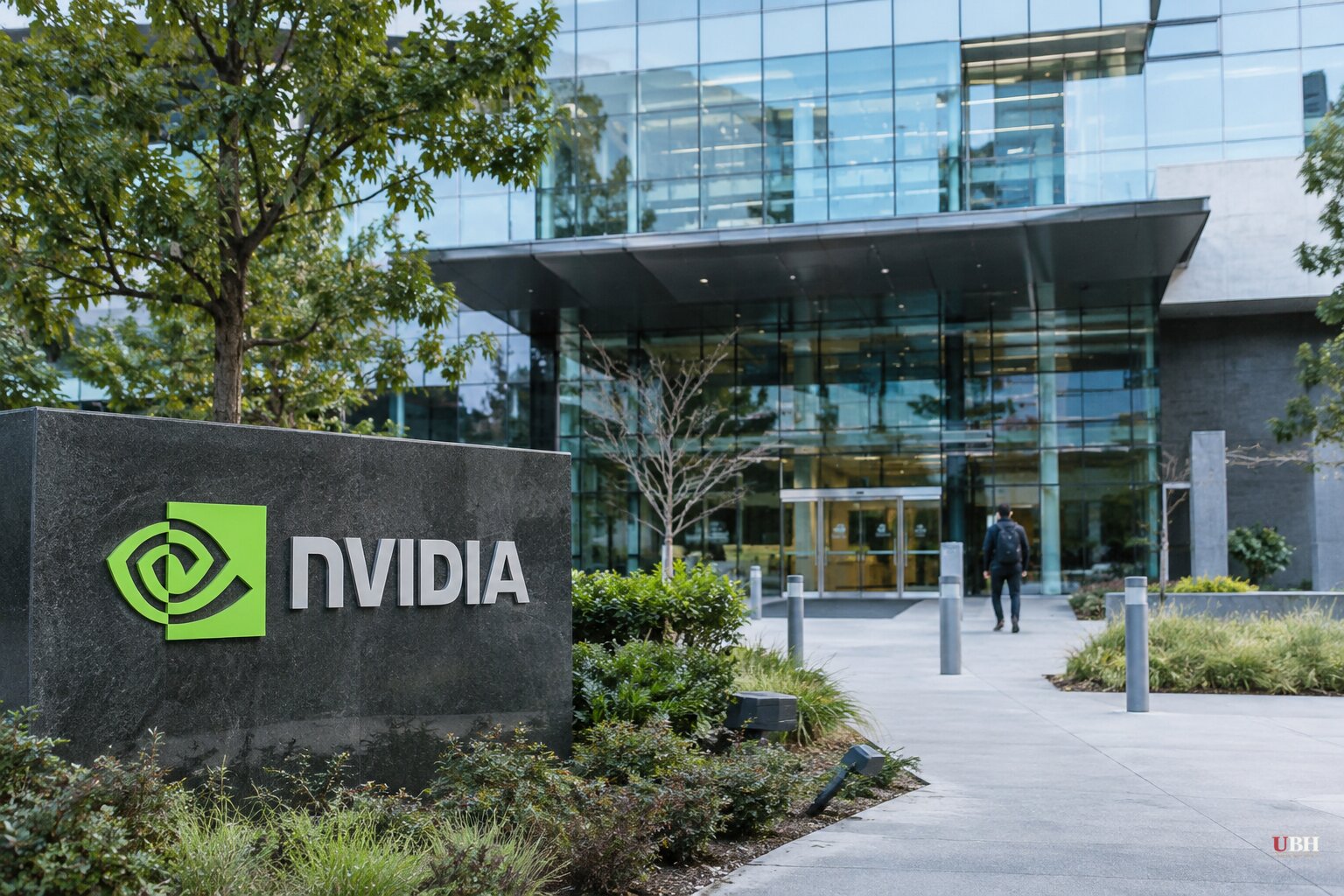
California Attorney General Rob Bonta served an investigative subpoena on Nvidia on Thursday, Nov. 19. His office wants to know whether the company's advanced chips or confidential information ended up in China, and whether Nvidia misled investors and the public about that risk.
The subpoena follows the resignation last week of co-founder and longtime CEO Jensen Huang after revelations of multiple extramarital affairs. One was with Alice Huang, who is not related to him. Two others were with Nvidia employees, according to Reuters.
"The conduct of Nvidia and its former CEO raises bright red flags, including about the ways in which the company may have misled investors," Bonta said in a statement. He added that "Nvidia is in a messy, transnational situation but the underlying principle of our corporate securities law is clear: Companies cannot mislead their investors."
The California Department of Justice said the information it receives will help determine whether Nvidia's actions violated state law.
What the subpoena does and does not show
The subpoena is a request for information. It does not establish that Nvidia or Huang broke any law, or that sensitive technology was transferred to China. Nvidia did not immediately respond to a request for comment on the subpoena.
Bonta's jurisdiction is a live question. Two days before the subpoena, he told Bloomberg Television the matter was "very possibly" something his office could examine, but that it first needed a California law giving it jurisdiction. His office has not said which statute it is relying on. Nvidia is headquartered in Santa Clara. Bonta's office also sued OpenAI earlier this month.
The Megaspeed connection
Alice Huang is linked to Megaspeed, a Singapore-based data center company that has bought nearly $5 billion of Nvidia chips and hardware in recent years. The Justice and Commerce departments are investigating Megaspeed over possible diversion of restricted chips to China.
Megaspeed says it is a "legitimate and lawful" business and that Alice Huang left the company late last year.
US intelligence agencies are trying to determine the extent of her ties to China's Ministry of State Security and what she may have passed to Beijing, according to Reuters. China has rejected the espionage allegations.
House Democrats are separately probing Commerce Secretary Howard Lutnick over links between his family's firm, Cantor Fitzgerald, and Nvidia. They want to know why Megaspeed was not blacklisted despite longstanding US intelligence concerns about it, according to the International Business Times.
Trump administration approvals
The House Foreign Affairs Committee said Thursday that the Trump administration approved shipments of nearly 900,000 advanced Nvidia and AMD AI chips to Chinese companies between December 2025 and May. How many were actually shipped is unclear.
Nvidia's position is that the approvals carried strict conditions and limited volumes. The company says it has stopped shipping H200 chips to China.
That is a federal licensing record, not a California one. It also shows that Washington itself signed off on large volumes of AI hardware headed to a country our own intelligence agencies treat as the main strategic rival. Republicans and Democrats alike will have to answer for that.
Boardroom and market fallout
Nvidia's board has ruled out Huang's return. Chair Harvey Jones said the company has no intention of reinstating him, after Huang said he would be "honoured" to come back. Elon Musk and other tech leaders had campaigned for his reinstatement. CFO Colette Kress is interim CEO while the board searches for a permanent successor, and the board has set up a national security committee.
Gov. Gavin Newsom said Tuesday that "it's incredibly concerning what has been alleged, what has potentially happened." He said he would "reserve judgement" on whether Huang should return.
Nvidia shares are down 22% in the nine trading days since Huang admitted the affair, according to CNBC. The stock hit a one-year low at Thursday's close and is on pace for a seventh straight weekly loss, a stretch in which it has shed 38%. Reuters reports the SEC is also probing Nvidia after Huang's resignation. Neither the SEC nor Nvidia has confirmed that in the material at hand.
U.S. stock trading has not opened for the day. Rival AMD closed down almost 8% Thursday after Hunterbrook Media and its sister newsletter The Bear Cave published allegations about AMD's China-linked exposure and its use of data center lease guarantees. Pre-market indications pointed to a further drop of more than 5%.
Next steps
Huang has agreed to testify before House committees on Dec. 1. Nvidia General Counsel Tim Teter is also set to appear before the Foreign Affairs Committee, the Select Committee on the Chinese Communist Party and the House Intelligence Committee. Nvidia's response to the California subpoena, including whether it will comply or contest Bonta's authority, is the next thing to watch.
Sources used for this briefing
7 links from 7 independent newsrooms (syndicated copies of the same report count once)
These are the sources it draws on, linked so you can verify.


