
Unbiased headlines. Facts, not spin.
Unbiased Headlines is an independently owned news organization. We bring you the facts, not opinions, written fresh from 110+ named sources. Sources linked so you can verify it yourself.
 tech
Major Story (7/10)
Google to extend Android developer verification worldwide in January 2027, reaching sideloaded apps
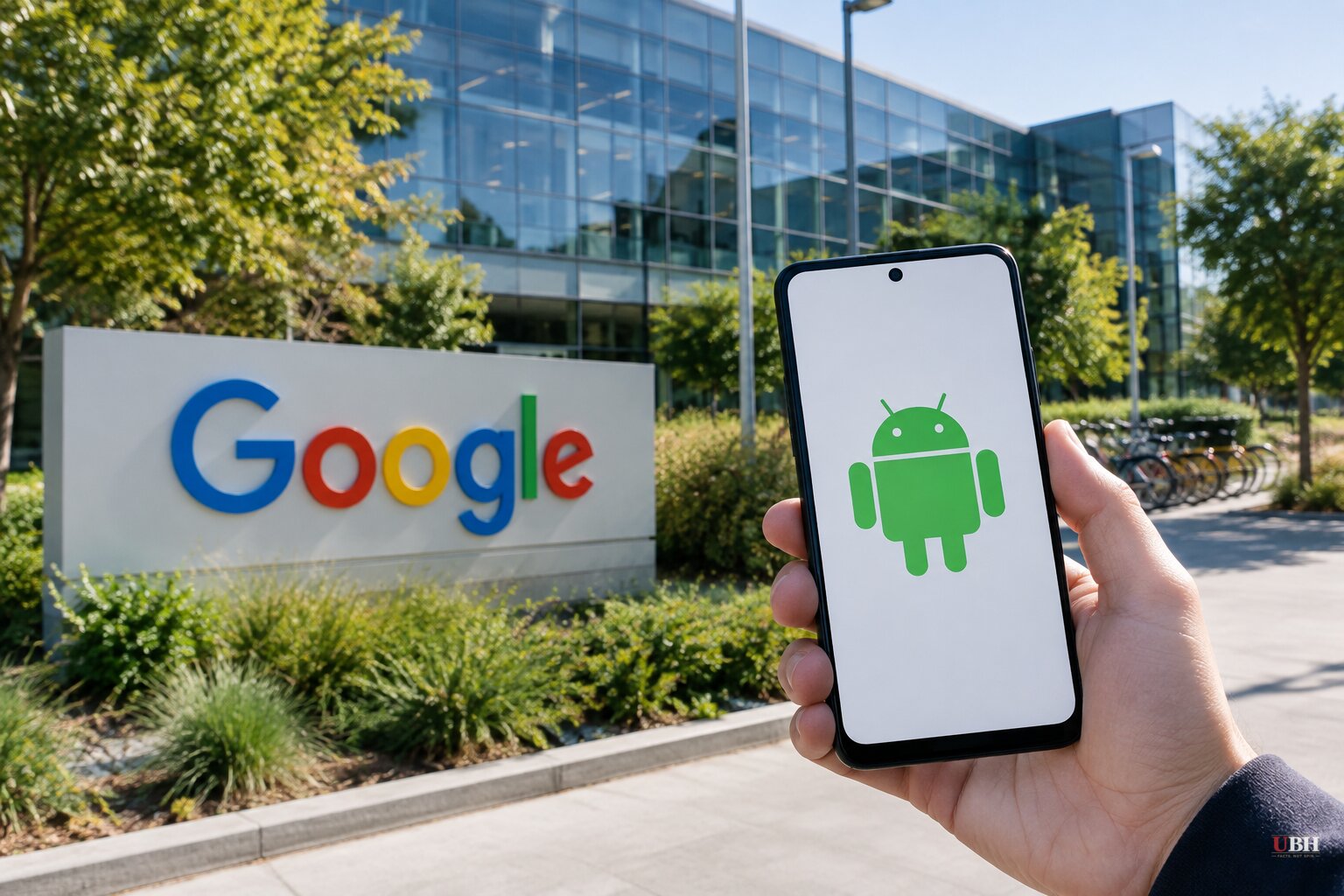
Google will take Android developer verification worldwide starting in January 2027. The company announced the plan Nov. 19 on the Android Developers Blog, in a post by Matthew Forsythe, Google's director of product management for Android app safety.
The rule is simple. Apps on certified Android devices must come from developers who have verified their identity with Google and registered their apps. That applies whether the app comes from Google Play, a rival store, an open-source registry or a file downloaded directly.
The rollout
"Our global rollout will begin in January 2027 in partnership with seven app distributors," Forsythe wrote. The seven are Google Play, Galaxy Store, Honor, Oppo, Xiaomi, Transsion and Vivo.
From there, the protections will "gradually expand to all countries to cover all installation sources on certified Android devices over several months," according to Google.
The requirement is already live in limited form. It took effect Sept. 30 at participating stores in Brazil, Indonesia, Singapore and Thailand. Verification opened to all developers in March.
Google has not named a date for the United States or Europe. Google's guidance for app stores says protections should be in effect at other stores by March 2027, and it asks developers to finish registering by March 1.
What developers face
Google says millions of apps have been registered since March, and that they account for more than 99% of Android installs worldwide. That leaves under 1% of installs tied to unregistered apps. For the developers behind them, that matters a great deal.
Google says registering an app takes under ten minutes. A full distribution account costs $25 and requires government identification. Organizations must also verify a website through Google Search Console and, per Google's verification FAQ, supply a D-U-N-S number. Dun & Bradstreet issues those free, but delivery can take up to 28 days.
Each package name has to be registered separately, and registration is tied to the developer's signing key. Companies that ship white-label builds signed with keys they no longer control have a problem to fix before enforcement reaches their customers.
Play developers are not off the hook entirely. Any app they also distribute outside Play must be registered too.
Students and hobbyists get a lighter path. Limited distribution accounts, launched in August, skip the fee and the ID check. Google has raised the cap on authorized devices for those accounts from 20 to 50.
Teams with many apps can automate registration in their build pipelines using two Google tools: the Android Developer ID Status API and the Android Developer Console API.
The user side
Unregistered apps are not banned outright. Google built what it calls an advanced flow for experienced users. Forsythe said it lets people "install unregistered apps when they choose to accept the risk, while keeping critical guardrails in place against social engineering scams for everyday users."
Here is how it works, per Google's documentation as described in the announcement coverage:
- Turn on the unverified-apps option in developer options.
- Authenticate the device and confirm that nobody is pressuring you.
- Restart the phone.
- Wait 24 hours.
- Return to the setting, confirm with a PIN or biometric check, and allow unverified apps for seven days or indefinitely.
Android will still warn at install time, and users can tap "Install anyway." The 24-hour wait does not apply to installs through Android Debug Bridge, so developers can keep testing unpublished apps without delay.
Google's stated reason is scam prevention. The company says identity checks make it harder for malware and scam-app distributors to keep operating. The waiting period is designed around coercion: a scammer talking a victim through a phone call is unlikely to hold the line for a full day.
Android Authority, which called the rules "contentious," wrote that sideloading is "about to become more annoying for Android users globally." Android Central put it more bluntly: for years, Android's edge over iOS was that you could install apps from almost anywhere without asking Google's permission.
The option to run unverified software remains. But the company that controls certified Android now decides who counts as a registered developer, and it charges a fee and requires government ID for a full account.
Who is exempt
The requirement follows the device, not the store. It covers Google-certified devices running Android 8 or later, delivered through Google Play services. Android Authority's description of the rules says Android 7.0 or newer, which conflicts with Google's FAQ.
Phones that are not Google-certified, including those running plain AOSP builds, fall outside the scheme. So do regions without Google Mobile Services.
Certification status matters for businesses. A point-of-sale app loaded during a reseller's staging process, or a warehouse app that fetches its own updates, counts as sideloaded. Per Google's FAQ, an unregistered app will not be available for new installation on certified devices in enforcing countries.
The next hard date is March 1, 2027, Google's requested registration deadline for developers distributing outside Play. Whether and when the U.S. falls under enforcement remains unannounced by Google.
Sources used for this briefing
7 links from 7 independent newsrooms (syndicated copies of the same report count once)
These are the sources it draws on, linked so you can verify.


