
Unbiased headlines. Facts, not spin.
Every story is an unbiased news briefing written from 110+ sources across the spectrum — sources linked so you can verify it yourself.
 energy
Major Story (7/10)
July 17, 2026 at 11:20 PM
energy
Major Story (7/10)
July 17, 2026 at 11:20 PM
Brussels Adds Details to Its Carbon Market Overhaul: Private Jets In, Cap Cuts Slower, €260 Billion in Revenue Under New Rules
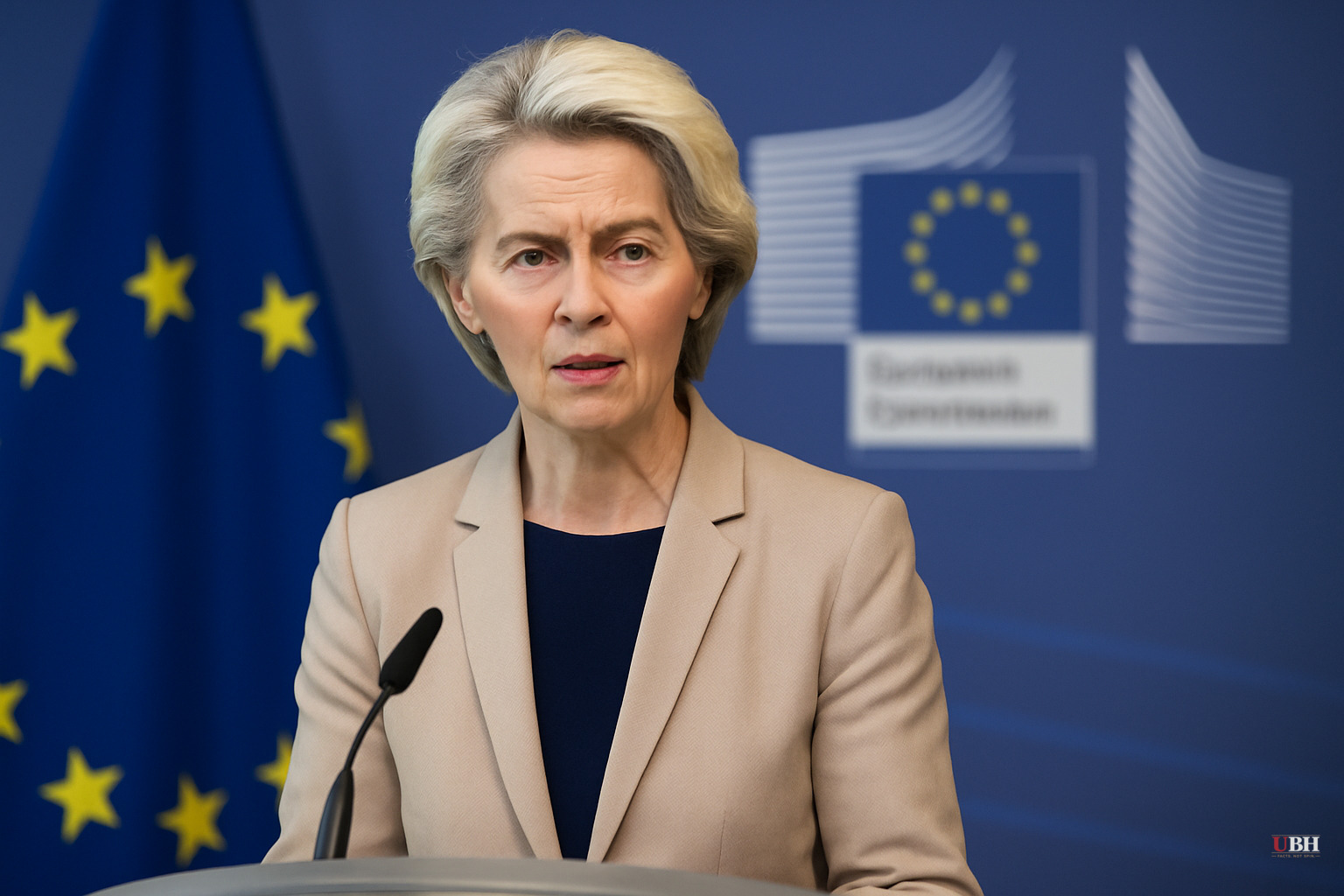
The Details Behind This Week's ETS Overhaul
Since the European Commission unveiled its plan to slow the EU's carbon-cutting timeline for industry on Friday, July 17, the fine print of that overhaul has come into focus, and it goes further than a simple pace change.
The European Emissions Trading System, running since 2005, forces power plants, airlines, and shipping companies to buy permits for every ton of CO2 they emit, with a shrinking cap on total permits designed to force cleaner operations over time. According to Reuters, the Commission's new proposal cuts the annual rate at which that cap falls to about 3.7% starting in 2031, and 1.7% starting in 2036, down from the current 4.3%. That confirms numbers Reuters had already reported were coming.
What's new in the announcement: the ETS will now extend to municipal waste, aimed at pushing more recycling and less incineration, according to the Guardian. Private jets will get folded into the system for the first time too, ending what the Guardian calls a long-standing exemption for the wealthiest fliers. And the Commission wants to extend the ETS to flights within 5,000 kilometers of a central European point, a radius that catches routes to North Africa and the Middle East but conveniently leaves out China and the U.S., avoiding a fresh trade fight with the Trump administration.
Free Permits Get More Complicated, Not Simpler
The Commission is also rewriting how free permits work. Industries like steel and cement, which currently get free CO2 allowances to stay competitive against foreign rivals, will keep getting them until 2038 instead of losing them in 2034 as originally planned.
There's a catch: firms get 80% of their free permits upfront only if they have decarbonization investment plans on file. They collect the remaining 20% only after those investments actually happen. EU climate commissioner Wopke Hoekstra said "free allocation does not mean free cash," according to Reuters, pushing back on the idea this is a giveaway with no strings attached.
The delayed phase-out of free permits also means delaying the EU's carbon border adjustment mechanism, the import tax meant to level the playing field with foreign manufacturers who don't pay for carbon. That full phase-in now slides to 2038 from 2034.
Where the Money Goes
The ETS has generated €260 billion in revenue since 2013, per Reuters. The Commission's new proposal would require governments to reinvest 50% of that revenue specifically into decarbonizing industries covered by the ETS, rather than letting it flow into general budgets.
That's a real fight waiting to happen. Several governments currently use ETS revenue to plug budget holes, and a mandate to redirect half of it toward industrial decarbonization is going to run into finance ministries that don't want their hands tied.
The Case Against Weakening It
The Guardian's framing is blunt: critics say Europe's most effective climate policy "risks being weakened." That's a fair concern worth stating plainly. The ETS is credited with cutting emissions from covered sectors by 47% by 2023 compared with 2005 levels, according to the Guardian, and Hoekstra himself called it "a phenomenal asset," saying Europe would have burned through 100 billion more cubic meters of gas without it.
The timing adds weight to that argument. The Guardian notes the review follows deadly wildfires in Spain and a Western Europe heatwave in June that scientists said would have been "virtually impossible" without climate change. Slowing the emissions-cap decline right after a summer like that is going to draw criticism, and it should. Spain itself has warned that watering down the ETS punishes companies that already spent money cutting emissions early, effectively rewarding the laggards.
The Case for Slowing Down
The counter-argument also deserves a fair hearing. Ten member states, including Italy and Poland, pushed back this week on parts of the plan, per Reuters, arguing the current system damages European competitiveness and drives up energy costs on households and manufacturers already squeezed by high electricity prices.
Hoekstra himself acknowledged the design has real weaknesses, telling reporters that European industries face "unfair competition from non-European rivals" using "heavy state subsidies" and "dubious labour conditions," problems he said even the new carbon border levy doesn't fully solve. Some companies have already moved operations out of Europe rather than pay to decarbonize at home, a reality driving real investment decisions right now.
What Happens Next
EU carbon permit prices dipped 0.77% to €78.58 per metric ton by 1028 GMT Friday on the announcement, according to Reuters, a modest market reaction given the scale of the changes.
The proposal now heads to negotiations among EU member states and the European Parliament, where the ten objecting countries will push for even more flexibility while others, including Spain, fight to keep the emissions cap tighter. No final law exists yet. Whether the 50% revenue-reinvestment mandate survives those talks, and whether the slower emissions-cap decline gets restored to something closer to the current 4.3% pace, are the two fights to watch.
Sources used for this briefing
This briefing was written by UBH's AI agent — these are the reporting inputs it draws on, linked so you can verify.


