
Unbiased headlines. Facts, not spin.
Unbiased Headlines is an independently owned news organization. We bring you the facts, not opinions, written fresh from 110+ named sources. Sources linked so you can verify it yourself.
 energy
Major Story (8/10)
Brent Crude Tops $116, a Six-Month High, Heading for a Third Straight Weekly Gain
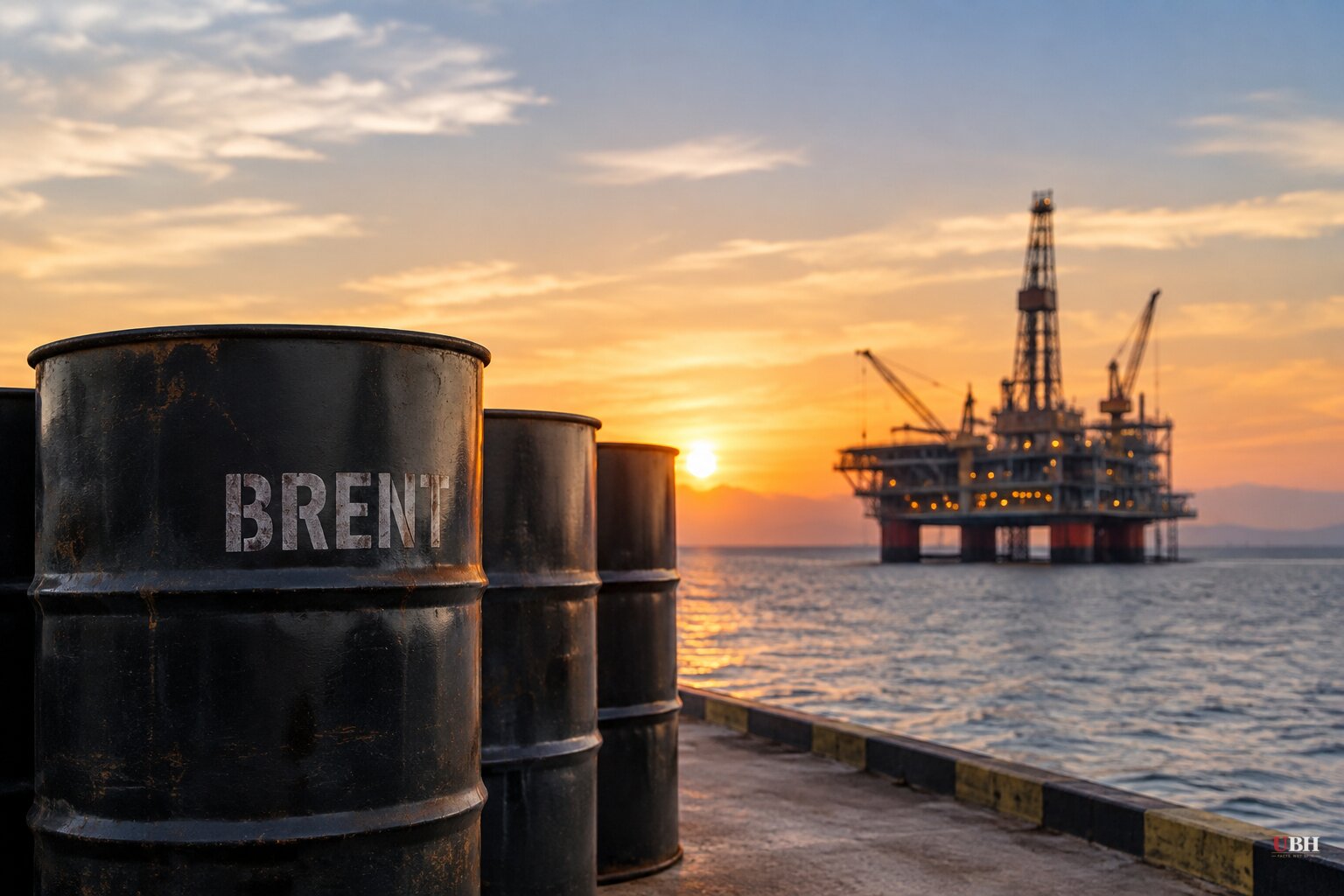
Brent has pushed higher again after Thursday's session. Brent futures were up 2.6% at $116.13 a barrel Friday, Oct. 23, the highest for the international benchmark since April 30. U.S. West Texas Intermediate traded about 3% higher at $102.56.
Brent is on track for a weekly gain of nearly 6%, its third straight. WTI is on course for a weekly gain of about 1%.
Strike expectations are the driver
Investors increasingly expect the U.S. to resume strikes on Iran in the coming weeks, according to CNBC's market reporting. President Trump said Wednesday that the U.S. was not negotiating with Iran and that something would happen "fairly soon."
U.S. officials told The New York Times that the U.S. and Israel have plans for fresh strikes on Iran after the Nov. 3 midterm elections. Neither the White House nor the Pentagon has laid out a timeline publicly.
Iran's army chief answered with a warning of his own. He said the military is fully prepared for "asymmetric warfare" after strengthening its capabilities, according to Iranian state media agency Tasnim.
Saudi Arabia under fire
Houthi attacks on Saudi Arabia have continued. A drone strike on the Shaybah oil field in the Eastern Region on Wednesday left two people dead and two injured, according to Saudi state media.
An attack the same day on King Fahd International Airport in Dammam killed two people, a Saudi citizen and an Indian national living in the kingdom, and injured eight, Saudi Arabia's civil aviation authority said.
The State Department has ordered all non-essential personnel out of Saudi Arabia. Saudi Aramco told staff to evacuate its Dhahran headquarters and work remotely, Reuters reported.
The Islamic Revolutionary Guard Corps also claimed responsibility Thursday for strikes on four U.S.-linked tankers in the Persian Gulf, according to Kpler Insight.
Flows are back, prices are not
The price move does not match the physical numbers. Kpler data showed total oil flows hit 24.5 million barrels per day in the week ending Oct. 18. That is above the 24.4 million bpd average from Feb. 22, a week before the U.S.-Iran war began. Kpler's total counts shipments routed around Hormuz, including through the Red Sea, and excludes Iranian exports.
Traffic through the Strait itself is another matter. Kpler counted about 20 ships completing the transit over the past ten days, against more than 100 a day before the war. The IRGC insists the Strait is "closed." U.S. Central Command says it is open and said Tuesday that about 400 merchant ships passed through the previous week.
Many ships run with transponders off to avoid being targeted, which makes any count hard to verify. Bloomberg reported that large tankers are moving in convoys and transferring cargo to other vessels after exiting the Strait. Vortexa, another tracker, put total flows lower than Kpler, at 18 million bpd, only slightly under the prewar average.
ING's commodities strategists, Warren Patterson and Ewa Manthey, wrote on Oct. 16 that the market is "pricing in a significant risk premium" over the sustainability of flows through Hormuz. "In order to see a full removal, there needs to be some kind of agreement between the U.S. and Iran," they wrote.
Barrels are moving, but traders are paying for the chance they stop.
Iran's revenue and the blockade
Kpler said Iranian oil on water outside the U.S. blockade zone has fallen to zero. It projects Iranian crude revenue will reach zero by mid-December and expects more volatility in the region in the coming months. CENTCOM said Saturday that 138 commercial vessels have been redirected to enforce the blockade.
What it costs at home
The national average for a gallon of regular gasoline was $4.30 on Oct. 17, up from $3.05 a year earlier, according to AAA. Diesel reached $6.17 per gallon as of Oct. 12, up from $3.45 in January, according to Federal Reserve Bank of St. Louis data.
Energy Secretary Chris Wright said the department's emergency exchange is meant to "help maintain refinery operations, limit disruptions to fuel supplies, and ensure American families and businesses continue to have access to affordable, reliable, and secure energy."
Brent has risen more than 50% since Feb. 27, the day before the war began, according to the Epoch Times' tally of futures prices.
The next test comes Nov. 3. The midterms are the date U.S. officials have reportedly attached to any resumption of strikes, and Brent has been rising into that date, not away from it.
Sources used for this briefing
7 links from 7 independent newsrooms (syndicated copies of the same report count once)
These are the sources it draws on, linked so you can verify.


