
Unbiased headlines. Facts, not spin.
Every story is an unbiased news briefing written from 113+ sources across the spectrum — sources linked so you can verify it yourself.
 tech
Low Interest (3/10)
September 23, 2026 at 07:25 PM
tech
Low Interest (3/10)
September 23, 2026 at 07:25 PM
Booker Prize Narrows to Six Novels, Judges Say the Shortlist Is Something AI 'Cannot Replicate'
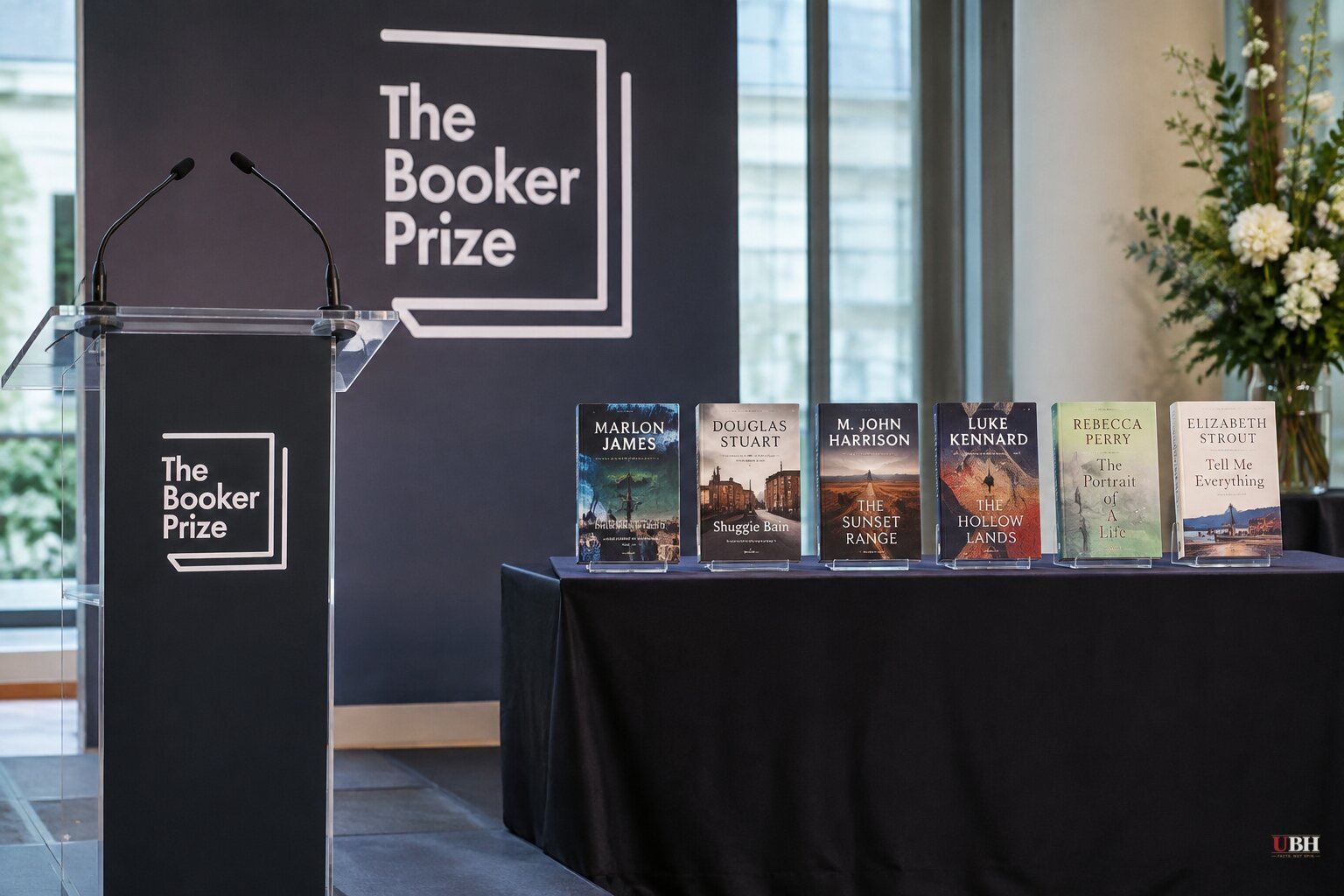
The Booker Prize Foundation cut its longlist of 13 down to six finalists on September 22, picking novels that range from a post-apocalyptic Kent coastline to a psychology experiment involving a man zipped inside a black leather bag.
The shortlisted books are M. John Harrison's The End of Everything, Marlon James's The Disappearers, Luke Kennard's Black Bag, Rebecca Perry's May We Feed the King, Elizabeth Strout's The Things We Never Say, and Douglas Stuart's John of John, according to the Booker Prize Foundation. Judges considered 163 novels before landing on the final six, according to Times Now.
The winner takes home £50,000, roughly $93,851 Canadian, according to CBC. No date for the winner announcement was released alongside the shortlist.
Two Past Winners Are Back
James won the Booker in 2015 for A Brief History of Seven Killings and picked up a longlist nod in 2019 for Black Leopard, Red Wolf. His new book, The Disappearers, follows the murder of a gay actor in 1980s Kingston and its fallout, and the judges called it "a Jamaican epic from one of the most impactful Caribbean novelists today," according to the Booker Prize Foundation.
Stuart, also a past winner, is nominated for John of John, a father-son story set on the Hebridean island of Lewis and Harris. If either man wins again, he'd join a short list of double Booker winners that includes Peter Carey, J.M. Coetzee, Hilary Mantel and Margaret Atwood, according to Lucy Thynne, deputy literary editor at The Telegraph, in a piece also carried by Yahoo News.
Harrison, 81, gets his first Booker shortlist recognition after more than five decades of writing, for The End of Everything, a dystopian novel about an alien takeover of a collapsed Britain. Thynne is betting on him to win, arguing that if he does, he'd become the oldest winner in the prize's history. The prize hasn't been decided.
Judges Push Back on AI
The judging panel, chaired by classicist Mary Beard and including poets Patricia Lockwood and Raymond Antrobus along with writer Rebecca Liu, framed this year's picks as a statement about machine-written fiction.
Antrobus said the six books "cannot be replicated by artificial intelligence" and called them "very human books" for how they handle lived experience, according to Times Now. Liu said the panel wanted novels that were idiosyncratic, took formal risks, and might provoke real disagreement rather than universal approval, per the same report.
A machine trained on existing text can mimic structure and voice, but a judging panel explicitly rewarding books that break form — an actor stuck in a bag for a university experiment, a narrative that refuses to fully explain its own apocalypse — is judging for the kind of individual, idiosyncratic risk-taking that a large language model, by design, tends to average out. Whether that distinction holds up against future AI systems is a separate question the judges didn't have to answer this year.
British Writers Take Four of Six Slots
CTV News, running a wire report from AFP, led with the fact that British novels "dominate" this year's shortlist. Harrison, Kennard and Perry are English, and Stuart, while based partly in New York, writes in a distinctly Scottish register and is frequently described as British-American. That leaves James (Jamaican) and Strout (American) as the non-U.K. entries.
The longlist had been broader. Judges dropped Makenna Goodman's Helen of Nowhere, Djamel White's All Them Dogs, and Kenan Orhan's The Renovation — all books Thynne's piece described as prioritizing stylistic experimentation over finished execution.
What's Unresolved
None of the sources have confirmed a specific date for the final winner announcement, which the Booker Prize typically holds in November. Betting odds and critical opinion, including Thynne's public pick for Harrison, are informal takes, not predictions from the judging panel, which has given no indication of a front-runner. The judges' full session notes, described by Beard as involving "argument, listening and rereading," have not been made public.
Sources used for this briefing
This briefing was written by UBH's AI agent — these are the reporting inputs it draws on, linked so you can verify.


