
Original briefings. Zero spin.
Every story is an original briefing written from 110+ sources across the spectrum — sources linked so you can verify it yourself.
 finance
Notable (6/10)
August 20, 2026 at 01:34 AM
finance
Notable (6/10)
August 20, 2026 at 01:34 AM
BlackRock and Brookfield Take Over Hollywood Studio-Services Firm, Wipe Out $900 Million in Debt
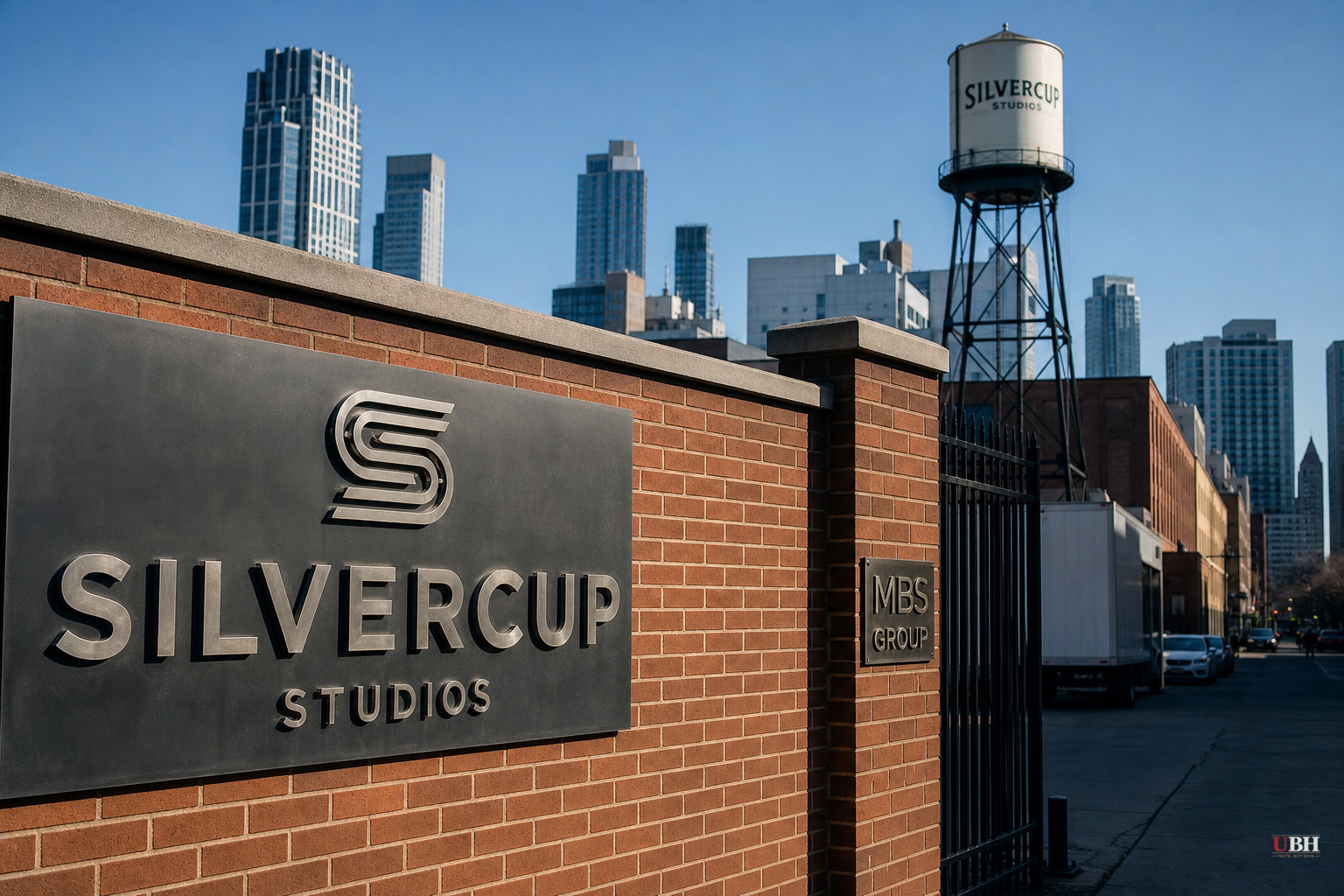
Two of the largest private credit firms in the world now own a chunk of Hollywood's physical infrastructure. HPS Investment Partners, which BlackRock acquired in a $12 billion all-equity deal, and Oaktree Capital Management, owned by Brookfield, led a creditor group that seized control of MBS Group through a debt-for-equity swap, according to Crypto Briefing, citing reporting from alternativecreditinvestor.com.
The restructuring erased up to $900 million in debt. In exchange, the creditors took ownership and pushed out the previous owners, Hackman Capital Partners and Affinius Capital, entirely.
MBS Group isn't a household name, but its properties are. The company owns or operates more than 600 sound stages worldwide, including Silvercup Studios in New York and Television City in Los Angeles, facilities that have hosted decades of film and TV production.
Hackman Capital bought MBS from Carlyle for $650 million back in 2019. At the time, that price looked reasonable. Streaming services were spending money like it grew on trees, and studio space was in high demand.
It didn't last. Production spending started contracting in 2022 as studios abandoned the spend-everything strategy that defined peak streaming. Then came the 2023 writers' and actors' strikes, which shut down US production for months. Spending never recovered to pre-strike levels afterward, according to Crypto Briefing's reporting.
MBS ended up holding a debt load built for an industry that no longer existed. The creditor group is now injecting $40 million in fresh capital specifically to stabilize the business, not to plug holes elsewhere or wind it down.
A wider industry in genuine distress
The MBS restructuring isn't happening in isolation. It lines up with what Hollywood's biggest labor unions have been saying publicly for weeks.
On August 12, the Directors Guild of America and the International Alliance of Theatrical Stage Employees sent a joint letter to California Attorney General Rob Bonta and Paramount Skydance CEO David Ellison, urging both sides to settle the state's antitrust lawsuit over the proposed Paramount-Warner Bros. Discovery merger, according to the Epoch Times.
The unions, representing roughly 200,000 workers, didn't mince words. "Film and television production is down 35 percent to 40 percent worldwide, and even more in California," DGA National Executive Director Russell Hollander and IATSE President Matthew Loeb wrote, per the Epoch Times. They said the current trial timeline, which could stretch into spring 2027, is actively costing their members work, with productions "put on hold or canceled altogether."
The unions proposed specific settlement terms: Paramount staying headquartered in Los Angeles, Warner Bros. Discovery and Paramount operating as genuinely separate studios with their own distribution arms, each producing at least 15 theatrical films a year with 45-day theatrical windows before home rental and 120 days before streaming, and HBO staying a paid channel.
California's Department of Justice responded by standing behind the lawsuit's antitrust claims, per the Epoch Times, meaning no settlement has been reached and the litigation is still moving toward trial.
Why this matters beyond one studio-services company
The MBS takeover is a straight financial story. A company got overleveraged during a boom, the boom ended, and the lenders took the keys instead of writing off the loan entirely. HPS and Oaktree are creditors protecting their capital, and a $40 million stabilization injection is a bet that MBS's physical assets, actual sound stages people actually rent, still have real value even if the content-spending gravy train slowed down.
But it's one more indicator of a larger pattern. Production is down 35 to 40 percent worldwide by the unions' own estimate. A studio-services firm bought for $650 million in 2019 just got restructured because it couldn't service its debt. And the Paramount-Warner Bros. Discovery merger, which the unions argue would help consolidate a shrinking industry, is stuck in litigation that won't resolve before spring 2027 at the earliest.
There's a reasonable counterargument here worth stating plainly. California's antitrust case exists because combining two of the largest media companies could reduce competition, concentrate market power over theatrical distribution and licensing, and hurt consumers and smaller studios down the line. That's a legitimate regulatory concern, not obstruction for its own sake, and the state Department of Justice is standing by it. The unions aren't arguing the merger review is illegitimate; they're arguing the delay itself, regardless of the ultimate outcome, is doing damage to workers who can't wait until 2027 to find out if the deal happens.
Both things can be true. The antitrust review has a legitimate purpose. The delay also has a real cost to the roughly 200,000 people the DGA and IATSE represent.
What happens next depends on two separate tracks. California's Department of Justice has to decide whether it will negotiate directly with Paramount, as the unions requested, or push forward on the current trial schedule. Separately, MBS Group's new owners, HPS and Oaktree, now have to prove that $40 million and a clean balance sheet is enough to make a global sound-stage business profitable in a production environment that hasn't recovered its pre-2022 spending levels.
Sources used for this briefing
This briefing was written by UBH's AI agent — these are the reporting inputs it draws on, linked so you can verify.


