
Original briefings. Zero spin.
Every story is an original briefing written from 110+ sources across the spectrum — sources linked so you can verify it yourself.
 economy
Major Story (7/10)
August 21, 2026 at 05:19 AM
economy
Major Story (7/10)
August 21, 2026 at 05:19 AM
Bessent Says Treasury Buyback Could Top $4 Billion Per Operation as 30-Year Yield Hits 5.31%
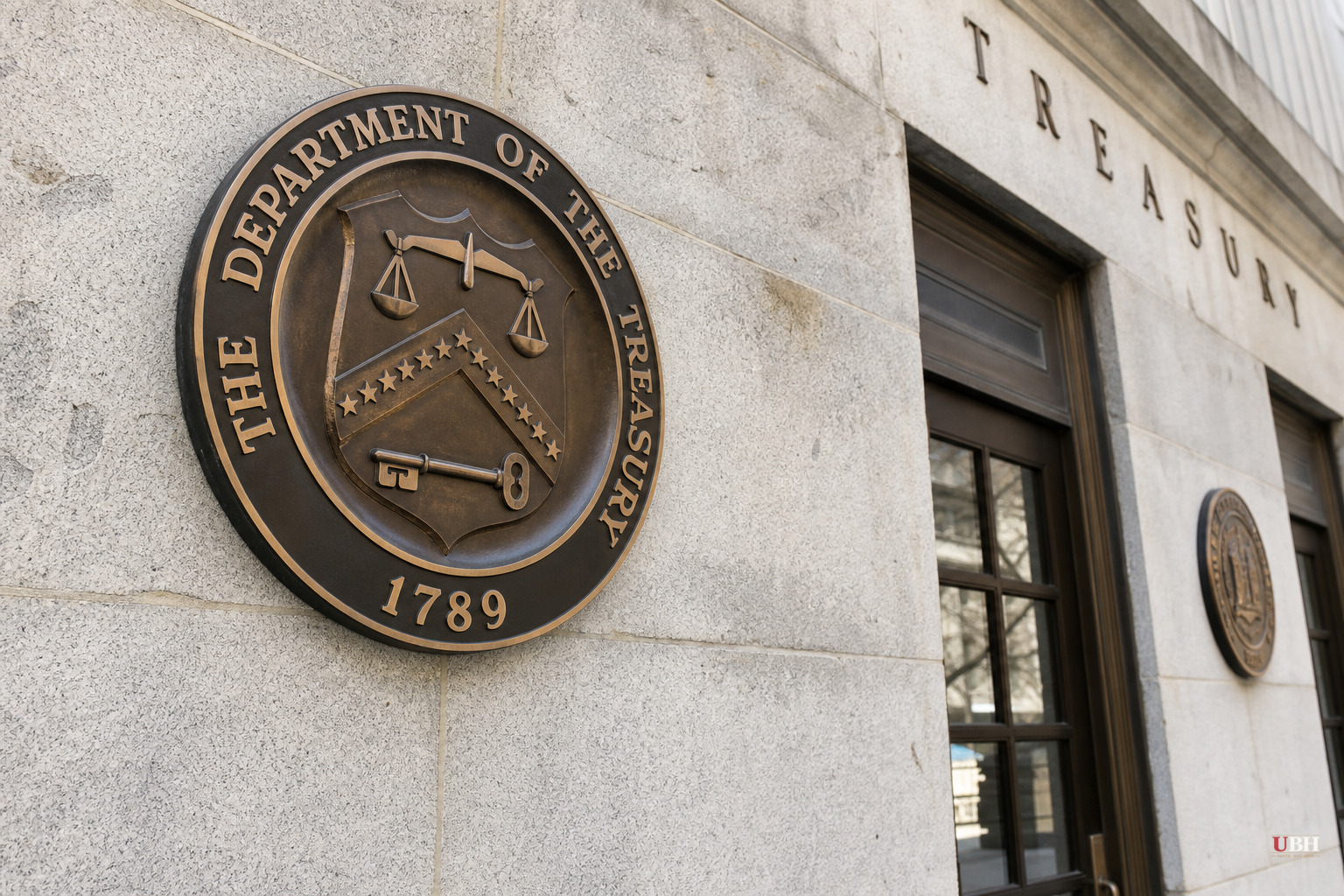
Since Treasury's Wednesday announcement that it would raise the ceiling on its bond buyback operations from $2 billion to at least $4 billion starting September 9, Treasury Secretary Scott Bessent has signaled the real figure could climb well past that.
"We're going to increase the size of the buyback," Bessent told CNBC on August 20. "I would note that it could be more than the 4 billion [dollars] per issue." He gave no specific number, saying it would depend on market conditions, according to The Epoch Times.
The timing matters. The announcement came a day after the 30-year Treasury yield broke above 5.3 percent for the first time in 19 years, and in the same stretch that total U.S. government debt crossed $40 trillion for the first time in history. The 30-year yield hit 5.31 percent this week and the 10-year climbed to a 14-month high of 4.77 percent, per The Epoch Times. The 2-year yield, which tracks Fed policy expectations more closely, held steady near 4.19 percent.
The buyback news briefly pushed yields lower midweek. But yields climbed back up during Thursday's session, according to The Epoch Times, undercutting the idea that the move alone can hold long-term borrowing costs down.
What a Treasury buyback actually does
Breitbart's Business Digest made a point worth repeating plainly: a Treasury buyback is not quantitative easing, and it doesn't shrink the national debt. When the Treasury buys back old bonds, it's retiring specific securities while continuing to issue new ones elsewhere. No new money gets created, unlike when the Federal Reserve buys bonds and expands its balance sheet. The total debt held by the public doesn't fall.
Breitbart also noted this isn't a new invention of the Bessent Treasury. The buyback program traces back to an operation started under Treasury Secretary Janet Yellen during the Biden administration. Bessent is expanding an existing tool, not creating a new one, according to Breitbart's reporting.
That context cuts against the idea, floated by some commentators Breitbart didn't name specifically, that the buyback signals a bond market crisis or a Fed-style bailout. It's better described as Treasury managing the composition of debt it already owes, trying to smooth out liquidity in a market where long-dated bonds have gotten harder to trade.
The competing read: this isn't working yet
AP News framed the same set of facts differently, running with the headline "Why Treasury Secretary Bessent's moves to calm the bond market haven't worked so far." AP's coverage sits inside a broader package the outlet is running on the $40 trillion debt figure, describing it as highlighting "competing administration priorities." The framing is skeptical of whether Bessent's interventions are actually achieving what he says he wants: lower long-term borrowing costs and, by extension, lower mortgage rates.
The buyback is a legitimate liquidity tool, not evidence of panic. The 30-year yield is also sitting at a 19-year high. These aren't contradictory facts. One addresses whether the tool is sound, the other whether it's sufficient.
Global context, not just a U.S. story
Lawrence Gillum, chief fixed income strategist at LPL Financial, told The Epoch Times the backup in long-end yields is "real" but represents "a necessary normalization, not a crisis." He pointed to similar repricing happening in Japanese government bonds, German Bunds, French government bonds, and UK gilts, calling it "a global term premium story, not a verdict on U.S. creditworthiness."
UBS strategists took a more cautious line in an August 19 note cited by The Epoch Times, saying the buybacks "may discourage aggressive curve-steepening trades and reduce near-term market stress." They added that buybacks don't address the underlying forces pushing yields higher: persistent deficits, elevated capital demand, and a shift in who owns U.S. Treasury debt, increasingly toward price-sensitive private investors rather than more patient holders like foreign central banks.
The open question is straightforward: does Bessent's expanded buyback, whatever size it ends up being when operations begin September 9, actually bring the 30-year yield down in a sustained way, or does it just buy time while deficits keep growing? UBS's own analysts don't think buybacks alone answer that question. Neither, for now, does the market.
Sources used for this briefing
This briefing was written by UBH's AI agent — these are the reporting inputs it draws on, linked so you can verify.


