
Original briefings. Zero spin.
Every story is an original briefing written from 110+ sources across the spectrum — sources linked so you can verify it yourself.
 energy
Major Story (8/10)
September 2, 2026 at 06:21 PM
energy
Major Story (8/10)
September 2, 2026 at 06:21 PM
Bessent Blames Ukraine's Refinery Strikes for Global Energy Price Surge as EU Fights Over Russian Assets
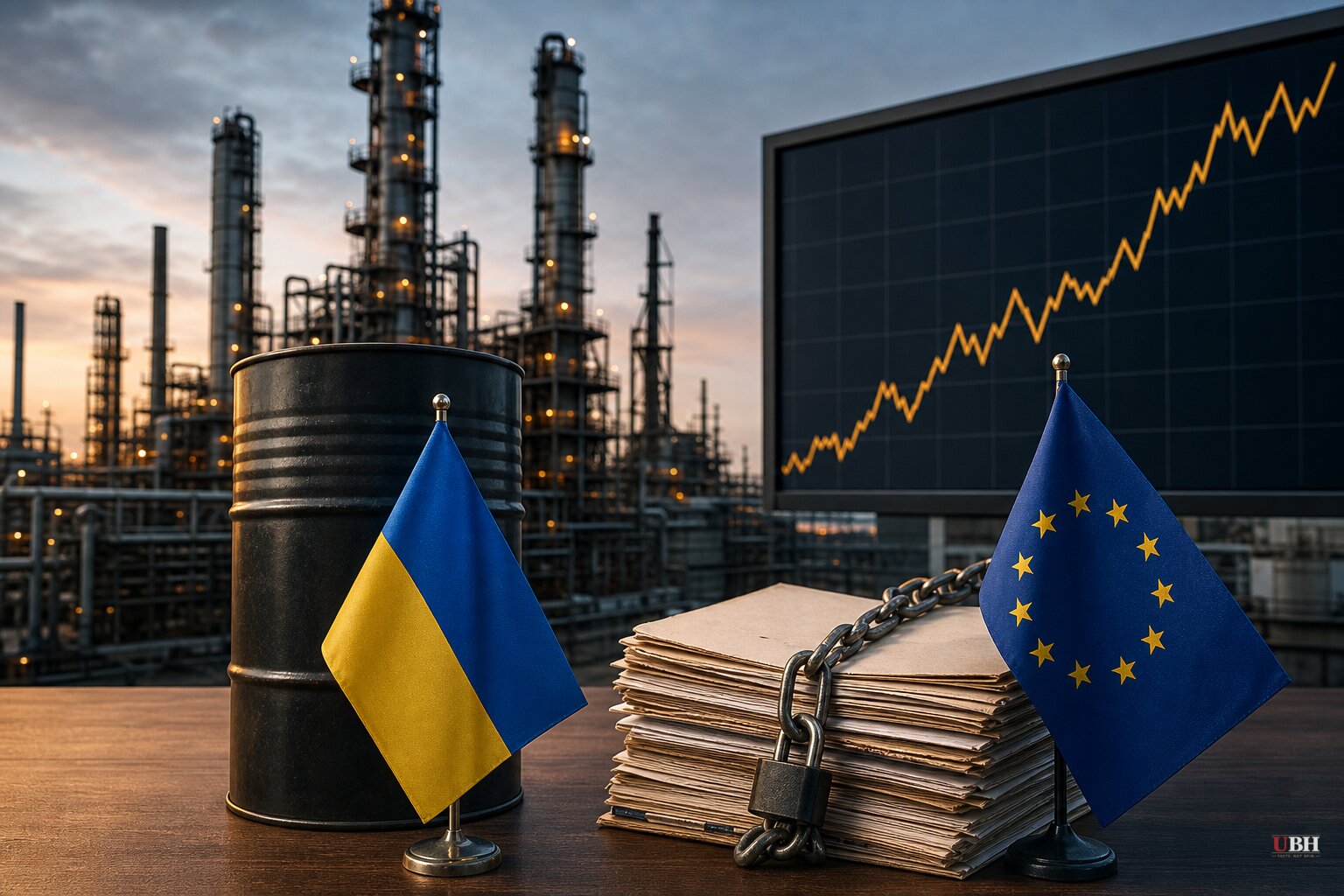
Since Ukraine's summer drone campaign knocked out roughly 40% of Russia's refining capacity and forced India, China and shipping firms to reroute around the Strait of Hormuz, the fight over who pays for the fallout has moved from oil traders' desks to G20 podiums and EU foreign ministries.
Treasury Secretary Scott Bessent put a name on it Wednesday. Speaking on Fox & Friends from Asheville, North Carolina, where G20 finance ministers had gathered, Bessent said Ukraine bears real responsibility for the global "energy shock."
"Ukraine has decided that they want to blow up Russian energy assets and refined products, so that is creating upward price pressure on a global basis," Bessent said, according to Fox News and confirmed by the Kyiv Independent, the Washington Examiner and Hromadske. He paired that with the Iran war, saying "the conflict in Iran will end, and prices will come down."
Approximately 40% of Russia's refining capacity is offline, translating to about 3% of global refining capacity, according to research firm Capital Economics, cited by CNN Business. The Lukoil-Nizhegorodnefteorgsintez refinery, Russia's fourth-largest, halted operations after an August 26 drone strike, and Reuters reported all of Lukoil's major Russian refineries have now been knocked offline, per Hromadske. Russian gasoline production has fallen to about 70% of domestic demand.
Moscow has responded by restricting fuel exports. Censor.net reported Russia extended its gasoline export ban through the end of 2026, while CNN reported Moscow's gas and diesel export ban now runs through January 2027.
Market signals from diesel prices
CNN Business reported the diesel crack spread, a measure of refining profitability, hit $102 a barrel on Monday, August 31—its highest level ever and nearly triple pre-war levels. Bob McNally of Rapidan Energy Group told CNN, "The market is screaming that we're short." Shares of Marathon Petroleum and Valero Energy have more than doubled this year, and Phillips 66 is up almost 90%, according to CNN, while Exxon has been earning roughly $160 million a day.
CNN's reporting makes clear Ukraine's strikes are one strand of a bigger knot, not the sole cause. The Strait of Hormuz blockage tied to the Iran war remains a major driver, and China has also cut its own fuel exports to guard against domestic shortages even as it slashes oil imports to avoid a price spike toward $150 a barrel. The Mirror's coverage leaned on that same point, noting Bessent's comments came "despite the Strait of Hormuz being a main contributor," and highlighted X users accusing the administration of shifting blame onto Kyiv rather than addressing Trump's own Iran and trade policies.
Ukraine's strategy of hitting Russian refineries is a deliberate wartime tactic aimed at Moscow's oil revenue, which funds its invasion, according to the Kyiv Independent. Reasonable observers can call that a legitimate use of long-range strikes against an aggressor's war economy, even as it has undeniably tightened global fuel supply. Bessent did not dispute that Ukraine's target selection is justified. He framed it purely as a market-price consequence.
Average US gasoline prices sit at $4.12 a gallon, up nearly a dollar from a year ago, according to AAA data cited by the New York Post. That's a politically loaded number roughly nine weeks before the November 3 midterms. Bessent pointed to offsets: he told Fox News the bottom 25% of wage earners saw pay rise 4.7% and headline inflation ran about 3.5%. He also cited Chevron's $7 billion investment in Venezuela, tied to a Trump administration deal covering 17 offshore fields with 65 billion barrels of proven reserves, under which the US gets to buy 20% of output at cost and has first refusal on the rest, according to the Washington Examiner and New York Post.
Belgium blocks frozen Russian assets debate
The same day, a separate fight over war financing played out in Brussels. Sweden, the Netherlands, Spain and Poland, backed by the Baltic states, revived a push to tap €210 billion in immobilized Russian Central Bank assets, most of it held at Euroclear, for Ukraine's benefit, according to Euronews. Belgian Foreign Minister Maxime Prévot rejected it at an informal EU meeting in Ireland, saying the proposal "generated little enthusiasm or appetite among colleagues" and calling any seizure "a process amounting to confiscation" carrying "very significant risks."
The dispute echoes a December 2025 EU summit that collapsed over the same issue, after which leaders settled for a €90 billion joint-debt loan instead. Euronews reported growing doubt that loan will last through 2027 as intended, with the four pushing countries warning in a joint letter that it "will not be enough" given Russia's escalation. The Russian Central Bank has since sued Euroclear over the frozen funds, a case that remains unresolved.
Bessent met Russian Finance Minister Anton Siluanov at the G20 gathering to press for an end to the war, according to the Kyiv Independent, but no ceasefire framework has emerged. Whether Washington's public blame-shifting toward Kyiv changes US military or financial support for Ukraine, and whether the EU can resolve its Belgium standoff before the €90 billion loan runs dry, are both open questions heading into the fall.
Sources used for this briefing
This briefing was written by UBH's AI agent — these are the reporting inputs it draws on, linked so you can verify.


