
Unbiased headlines. Facts, not spin.
Unbiased Headlines is an independently owned news organization. We bring you the facts, not opinions, written fresh from 110+ named sources. Sources linked so you can verify it yourself.
 defense
Major Story (7/10)
BBC documents at least 43 attacks on el-Fasher hospitals during RSF siege; RSF calls findings propaganda
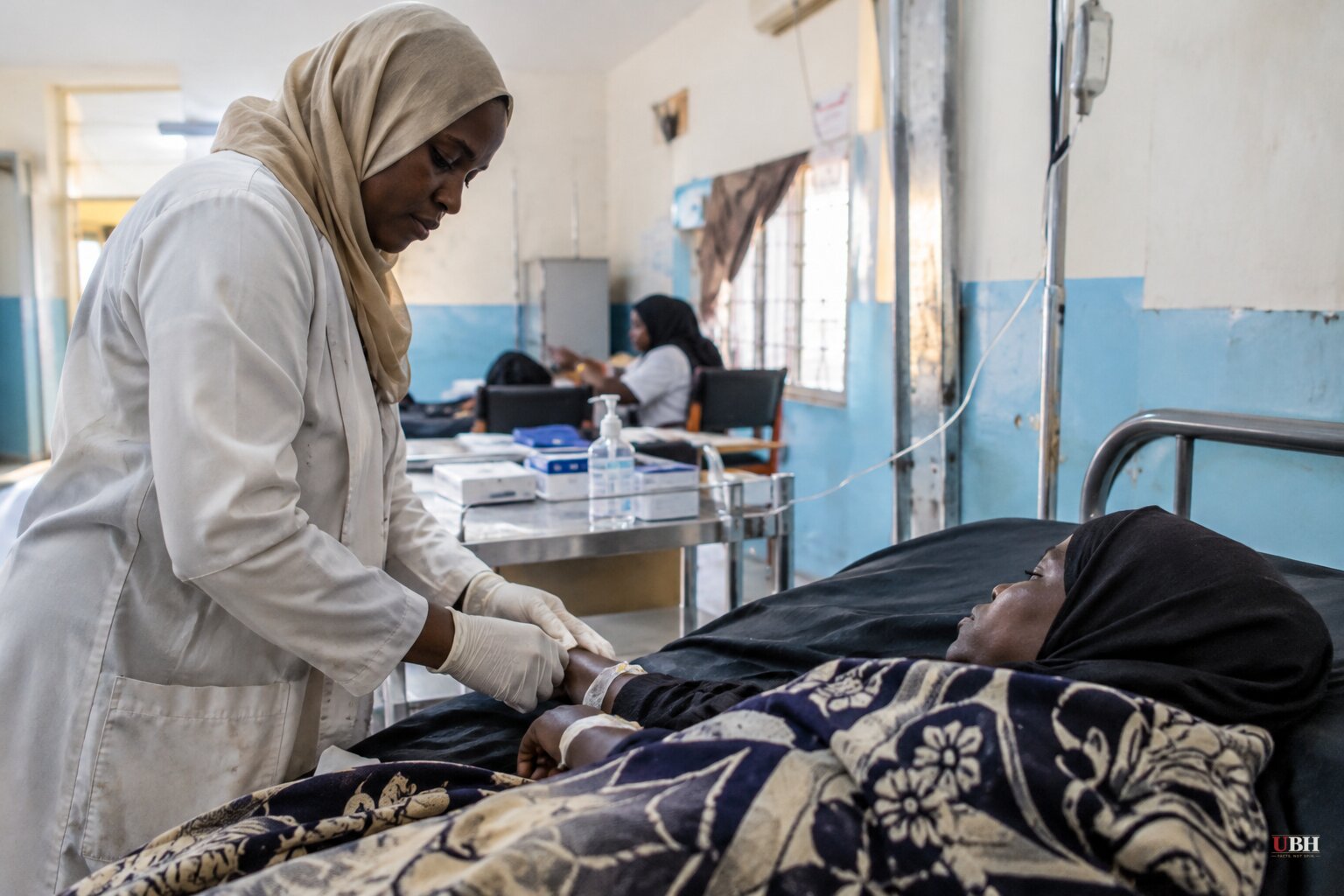
A year after the Rapid Support Forces took el-Fasher, a BBC investigation has laid out how the city's hospitals were hit, one after another, until only one was left functioning.
The BBC found details of at least 43 separate attacks on hospitals and healthcare sites in the Darfur city between May 2024 and October 2025. Some sites were struck more than once. The BBC's data also shows that from April 2023 to October 2025, 120 medical workers were injured, 55 were killed and 10 were forcibly disappeared or abducted.
Those are the BBC's own counts, built from sources who were on the ground, including six doctors who described a pattern of repeated attacks on hospitals, clinics and temporary medical sites.
How the system collapsed
The Teaching Hospital closed in April 2023, when the war between the RSF and Sudan's army began. Its services moved to South Hospital.
South Hospital was shelled repeatedly, then raided by RSF fighters on June 8, 2024. Staff fled as fighters entered. The hospital's director, surgeon Izzeldin Ahmed Dawaud Asow, said he was beaten with rifle butts and subjected to ethnic slurs, and that fighters left him for dead. The hospital closed afterward.
Medical services then shifted to the Saudi Maternity Hospital, which became the city's main functioning facility. Doctors told the BBC it was hit by shelling and drones, sometimes up to 25 times in a single day.
Smaller facilities fared no better. Clinics and specialist units that relocated were struck at their new sites. The BBC's chronology records the Specialised Children's Hospital being shelled after both of its moves, and the main dialysis center coming under repeated attack.
Staff improvised. They built makeshift operating theaters, underground shelters and alternative wards to keep treating patients.
By the time the RSF seized el-Fasher in October 2025, the Saudi Hospital was the only functioning health facility left.
What the doctors say it was
Dr Muhamed Suliman, a surgeon based in the city during the siege, told the BBC the goal was to empty the hospitals and, with them, the city.
"The RSF [were] trying to evacuate the hospitals, to put them out of service because the health system is the cornerstone of any city or any state," he said. "It was intense. It was deliberate. It was planned."
The World Health Organization, responding to the BBC, called events in el-Fasher "one of the clearest and most severe examples of the wider impact of the conflict on health care in Sudan." UN investigators have previously said the fighting in el-Fasher bore the "hallmarks of genocide," with Arab militias, now the backbone of the RSF, targeting non-Arab groups in the city.
Volker Türk, the UN human rights chief, called the findings "deeply disturbing." He said multiple RSF attacks on civilian infrastructure, including health facilities, were serious violations of international humanitarian law and may amount to war crimes. Under international law, attacking health facilities or their staff during conflict is illegal.
The RSF denial
The RSF rejects the findings. Dr Alaa Eldin Nugud, health minister in the group's civilian-affiliated government, dismissed the allegations as propaganda. He called them a deliberate attempt by the national army and its allies to smear the RSF's reputation.
Nugud also insisted South Hospital was being used as a military base. He said missile launchers were set up on the grounds and shared a video showing remains of weapons, filmed more than a year after the hospital closed, which he said supported his claim. The BBC found no independent evidence to corroborate that, and the Darfur regional government rejected the charge. Doctors told the BBC the hospital was not incorporated into the base and said they visited it to pick up medical equipment during the war.
The distinction carries legal weight. Under international law, hospitals can lose their protection if they are used by a party to the conflict to commit an "act harmful to the enemy."
Both sides are accused
The RSF is not the only party facing such accusations. Both it and Sudan's military have been accused of attacking health facilities.
In March 2026, the WHO condemned the bombing of al-Daein hospital in RSF-held eastern Darfur. The strike killed dozens and forced the facility to close. Sudan's military is believed to have carried out the drone strikes. It has denied responsibility.
The war itself began in April 2023 between the RSF and the army. The el-Fasher siege that followed became one of its most brutal chapters.
Whether any court or UN body takes up Türk's war-crimes language, and whether the RSF's military-base claim is ever tested by independent inspection, are questions no one has yet answered.
Sources used for this briefing
7 links from 6 independent newsrooms (syndicated copies of the same report count once)
These are the sources it draws on, linked so you can verify.


