
Unbiased headlines. Facts, not spin.
Unbiased Headlines is an independently owned news organization. We bring you the facts, not opinions, written fresh from 110+ named sources. Sources linked so you can verify it yourself.
 defense
Major Story (8/10)
Zelenskyy Says Russia Hit Kyiv With Cluster-Warhead Missiles; Ukraine Reports at Least 4 Dead
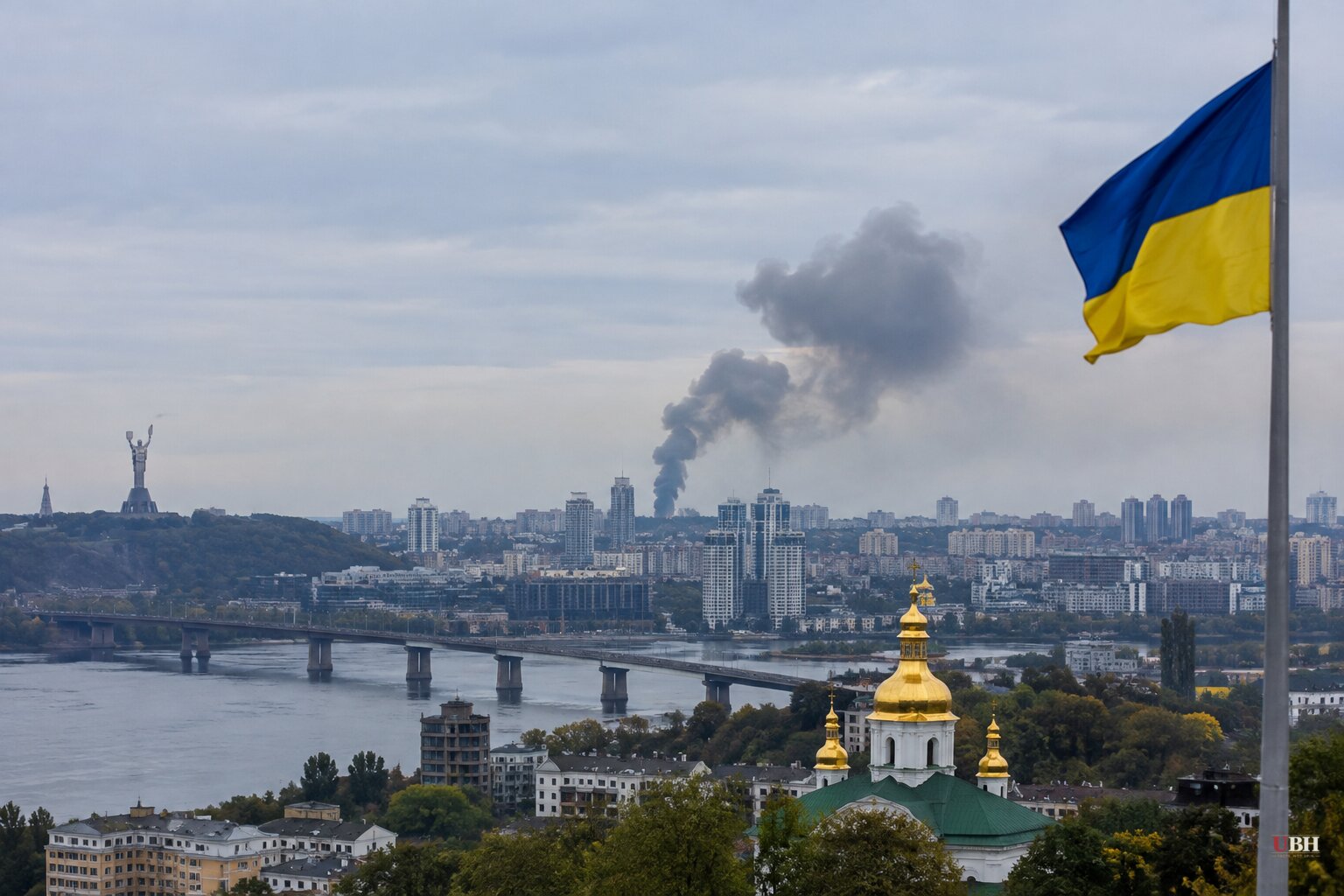
Since Russia freed American Stephen Hubbard on Wednesday, Oct. 21, and Putin agreed in principle to resume three-way talks after Nov. 10, Ukraine has put numbers and a weapon type on the overnight attack on Kyiv. The strike was heavier than first counts showed.
What Ukraine says was used
Zelenskyy said Thursday, Oct. 22, that three of the ballistic missiles fired at Kyiv carried cluster warheads. He said they detonate in the air as they approach and hit everything within a 400-meter diameter.
Serhii "Flash" Beskrestnov, a presidential adviser and radio-technology specialist, identified one as an Iskander with a K5 cluster warhead. He said it carries 58 bomblets that explode in the air and is built to maximize harm to people and equipment across a 400-by-400-meter area.
One missile hit Pechersk, Kyiv's historic center, in the area between the Kyiv-Pechersk Lavra and the Holy Presentation Monastery. Monastery buildings, homes, shops and cafés were damaged.
Zelenskyy called the strike deliberate. "There was no military target nearby, not even in theory, and the weapon was designed to cause widespread destruction," he said. That is his account of Russian intent, and it is unverified.
The toll
The casualty count has climbed through the morning. Early figures from Ukraine's State Emergency Service listed one dead and 22 wounded. Ukraine's foreign ministry now says at least four people were killed. Zelenskyy said 34 were injured, including five children.
Authorities reported damage in the Holosiivskyi, Obolonskyi, Pecherskyi, Sviatoshynskyi and Dniprovskyi districts. The Southern Bridge was closed in both directions, and the Epicentr shopping center in Pochaina was hit.
The attack was not limited to Kyiv. Zelenskyy said 12 regions came under fire. A commuter train was struck in Kharkiv, and Dnipro, Marhanets, Mykolaiv, Kherson and areas in Zhytomyr, Donetsk, Chernihiv and Rivne regions were also targeted.
Since Oct. 11, Zelenskyy said, Russia has carried out more than 170 strikes on energy infrastructure, even though a significant share of the drones and some missiles were shot down.
Cluster munitions and the treaty
More than 100 countries have banned cluster munitions under the 2008 Convention on Cluster Munitions, because the bomblets spread over wide areas and can hit civilian sites indiscriminately. Russia did not sign the treaty. Neither did the United States.
Moscow's side
Russia's Defense Ministry said air defenses downed 808 Ukrainian drones overnight and that two people were reported injured. Moscow Mayor Sergei Sobyanin said more than 600 drones were fired toward the capital between late Wednesday and early Thursday.
Kremlin spokesman Dmitry Peskov, quoted by Russian news agencies, said Moscow would study the proposals Witkoff brought to St. Petersburg, but that the talks would take a long time. Zelenskyy read the timing as a signal. "Almost immediately after another round of talks, Russia launched a pointed attack," he said. "This means there has been no real change in its attitude."
Washington and the air-defense gap
Zelenskyy said earlier this week that if President Trump "cannot rein Putin in," he should supply the interceptor missiles Ukraine has long requested. He also said Russia is exploiting a slowdown in air-defense deliveries from partners, and that Ukrainian intelligence shows Moscow has set priorities for further attacks in the coming weeks.
Secretary of State Marco Rubio pushed back. He said Trump is "frustrated" by what he called false accusations that he is deliberately harming Ukraine. Nothing has been "deliberately denied to Ukraine," Rubio said, calling it "a balance between our obligations to other partners and frankly our own ... requirements for our own facilities as well."
Zelenskyy has ordered Ukraine's Defense and Foreign ministries to brief partners on the intelligence picture and urged faster delivery of aid packages already agreed.
What comes next
The trilateral talks Putin accepted in principle are not due to resume until after Nov. 10, a week after the U.S. midterm election. The Kremlin has given no timeline for its review of Witkoff's proposals beyond Peskov's warning that it will be long. Between now and then, Zelenskyy expects more strikes on Ukrainian cities and the energy grid.
Sources used for this briefing
8 links from 8 independent newsrooms (syndicated copies of the same report count once)
These are the sources it draws on, linked so you can verify.


