
Unbiased headlines. Facts, not spin.
Unbiased Headlines is an independently owned news organization. We bring you the facts, not opinions, written fresh from 110+ named sources. Sources linked so you can verify it yourself.
 defense
Breaking / Critical (9/10)
Event date: October 20, 2026 ·
Iran Threatens Gulf Oil, Cables and Data Centers as Reported U.S. Strike Plans Point to Post-Midterm Window
The war that began on Feb. 28 is no longer a bombing campaign. It is a standoff, and both sides are now openly preparing for round two.
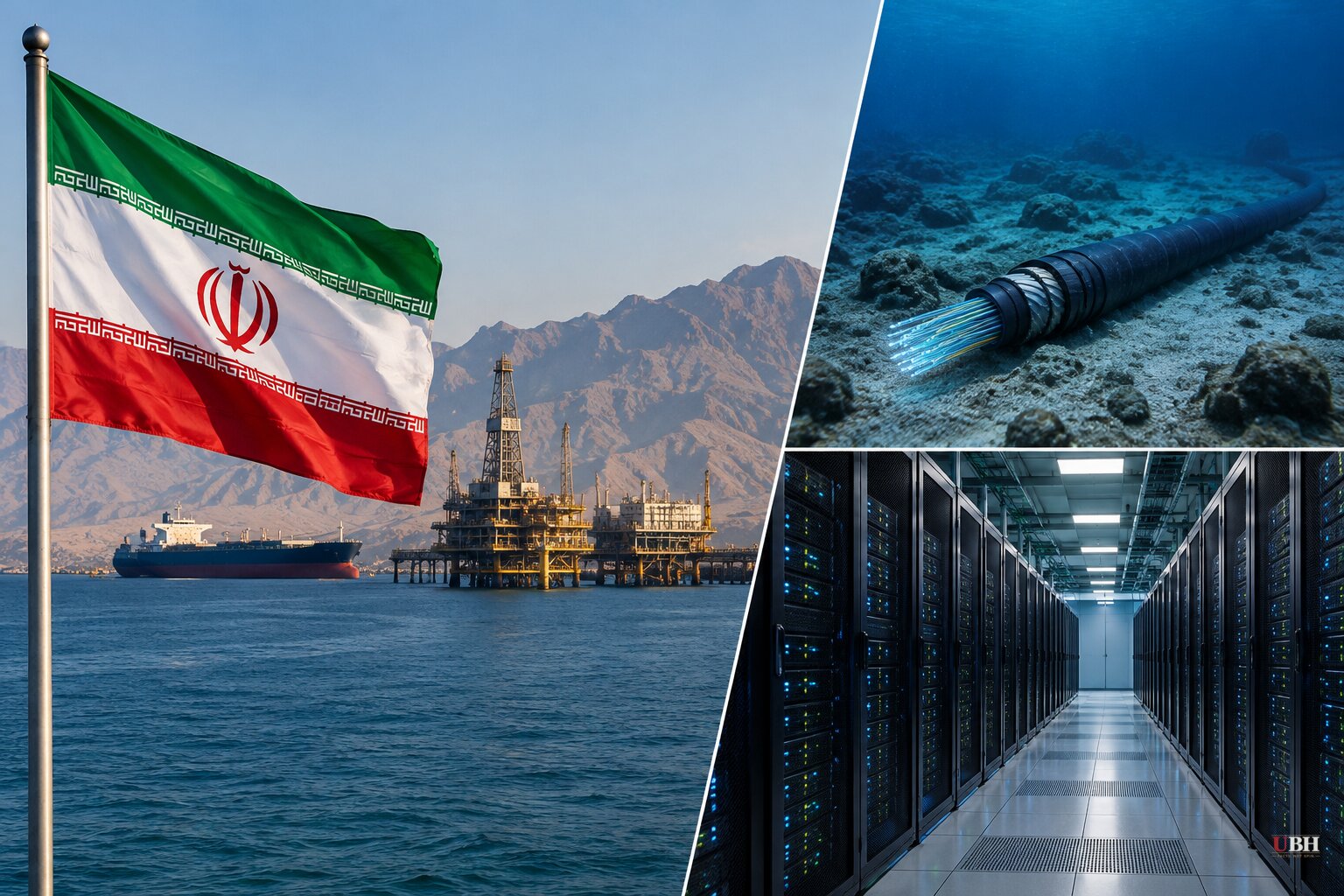
Mohsen Rezaei, secretary of Iran's Supreme National Security Council, said Iran would hit oil facilities, undersea cables, data centers and AI facilities in as many as seven Gulf countries if the U.S. and Israel attack again. "If the conflict breaks out again, we will have a broader plan," Iranian media quoted him as saying.
Mehdi Mohammadi, an adviser to Mohammad Ghalibaf, the hardliner who led Iran's negotiations with Washington, put it more bluntly. "We see the next conflict as an existential threat," he said. "Our strategy is 'zero red lines.'"
Hossein Mohebbi, spokesman for the Revolutionary Guards, said last month that Iran has "new targets that have not yet been attacked" and that "the war is not over." He added that the Guards have prepared for a long-term war. On Monday he reminded the world that seven major cables pass beneath the Strait of Hormuz and that global internet and commercial data depend on them.
Oil and shipping
The markets are already pricing in a bad outcome. Brent crude settled at $109.55 on Monday, Oct. 19, and was trading at $113.4 on Wednesday, a recent high. U.S. West Texas Intermediate settled Monday at $103.66, its highest close since Sept. 15.
On Wednesday the Guards' naval wing claimed it struck four commercial ships in the Strait of Hormuz that were transferring oil from ship to ship. It also said three more hit mines. There was no independent verification that this number of ships were hit.
Washington's position
The major U.S. military operations have wound down in favor of economic pressure, including a naval blockade of Iranian ports. Indirect talks through mediators have stalled.
President Donald Trump rejected Iran's recent proposal for a seven-day cease-fire and a phased reopening of Hormuz, and he has threatened to resume major strikes. Vice President JD Vance has said any deal must include a "meaningful" reduction in Iran's uranium enrichment capacity. Tehran has publicly refused to ship any enriched uranium abroad.
According to recent U.S. media reports, military advisers have drawn up a detailed target list for a fresh joint U.S.-Israeli strike, to be carried out after the Nov. 3 midterm elections. The list reportedly covers missile sites, oil installations and nuclear sites. Washington is also said to be weighing strikes on Pickaxe Mountain, a deep underground site where U.S. and Israeli officials say Iran has moved thousands of centrifuges. CNN reported that U.S. strike plans include potentially using the so-called "mother of all bombs" against Iranian energy infrastructure and nuclear sites, whether before or after the midterms.
War Secretary Pete Hegseth met privately with Prime Minister Benjamin Netanyahu in Israel on Monday, Axios reported, days before Israeli elections. A Pentagon spokesperson declined to comment.
The Guardian counts seven times in the past four months that Trump backed away from striking Iran again. CNN reported that Trump said publicly he would not take new actions before the midterm elections, but several advisers told the network privately they did not know whether that statement was definitive or could change before Nov. 3.
The bomb talk
The most significant shift may be inside Iran. Open calls for nuclear weapons from sitting lawmakers and senior security officials were once taboo, with the regime pointing to a religious edict from the late Supreme Leader Ali Khamenei against weapons of mass destruction. Khamenei was killed in the opening strikes on Feb. 28. His son Mojtaba now holds the post.
Ahmad Bakhshayesh Ardestani, a member of parliament's National Security and Foreign Policy Committee, has argued that Iran has already paid a price for its nuclear program and that it is time to produce weapons. Mohammad Eslami, head of Iran's Atomic Energy Organization, said Tuesday that Iran has "reached the level of developed countries in nuclear science and technology." He repeated that the program is for peaceful purposes and said the war forced Iran to build domestic replacements for parts foreign suppliers would not provide.
Not everyone in Tehran is on board. Former foreign minister Mohammad Javad Zarif wondered whether a bomb is worth the trouble. "If anyone thinks nuclear weapons can provide deterrence, just look at Israel," he said. Hardliners all but accused him of treason.
Thirty-five lawmakers have reportedly signed a motion to impeach Foreign Minister Abbas Araghchi over his September meeting with U.S. envoy Steve Witkoff on the sidelines of the U.N. General Assembly, where they discussed reopening Hormuz. The motion's backers say he met the Americans without the Supreme Leader's authorization.
Diplomacy under fire
Pakistani army chief Asim Munir and Russian Foreign Minister Sergei Lavrov both visited Tehran this week. Sedaye Iran, the internet daily of the Supreme Leader's office, praised the mediators but said there were "serious and profound doubts" because "the United States is not seeking an agreement."
Conservative commentator Ali Gholhaki said both visitors "returned empty-handed." Parliament committee member Ebrahim Rezaei called an unnamed mediator "part of the enemy's hybrid warfare machine." Foreign Ministry spokesman Esmail Baghaei defended continued diplomacy and called Pakistan an important partner.
Cole Bucy, a former CIA analyst, argues in War on the Rocks that the Tehran Washington faces now is a different one. In his view, surviving leaders who lost family and colleagues on day one are acting on altered strategic principles, while the White House, which believed the conflict would last only a few weeks, cannot find an endgame.
Both sides claim victory. Tehran points to its survival, and Washington to the damage inflicted. Ordinary Iranians told CNN they are waiting for the bombing to resume.
Foreign ministers from three European countries, Turkey, Saudi Arabia, Pakistan and Egypt are scheduled to meet in Istanbul on Friday to coordinate on the Iranian, Yemeni and Palestinian crises. The next marker after that is Nov. 3. Whether Trump signs off on the strike list or backs off again remains unclear.
Sources used for this briefing
7 links from 7 independent newsrooms (syndicated copies of the same report count once)
These are the sources it draws on, linked so you can verify.


