
Unbiased headlines. Facts, not spin.
Every story is an unbiased news briefing written from 110+ sources across the spectrum — sources linked so you can verify it yourself.
 defense
Breaking / Critical (9/10)
July 25, 2026 at 07:08 AM
defense
Breaking / Critical (9/10)
July 25, 2026 at 07:08 AM
Bahrain and Kuwait Secretly Struck Iranian Military Sites Earlier This Month, WSJ Reports
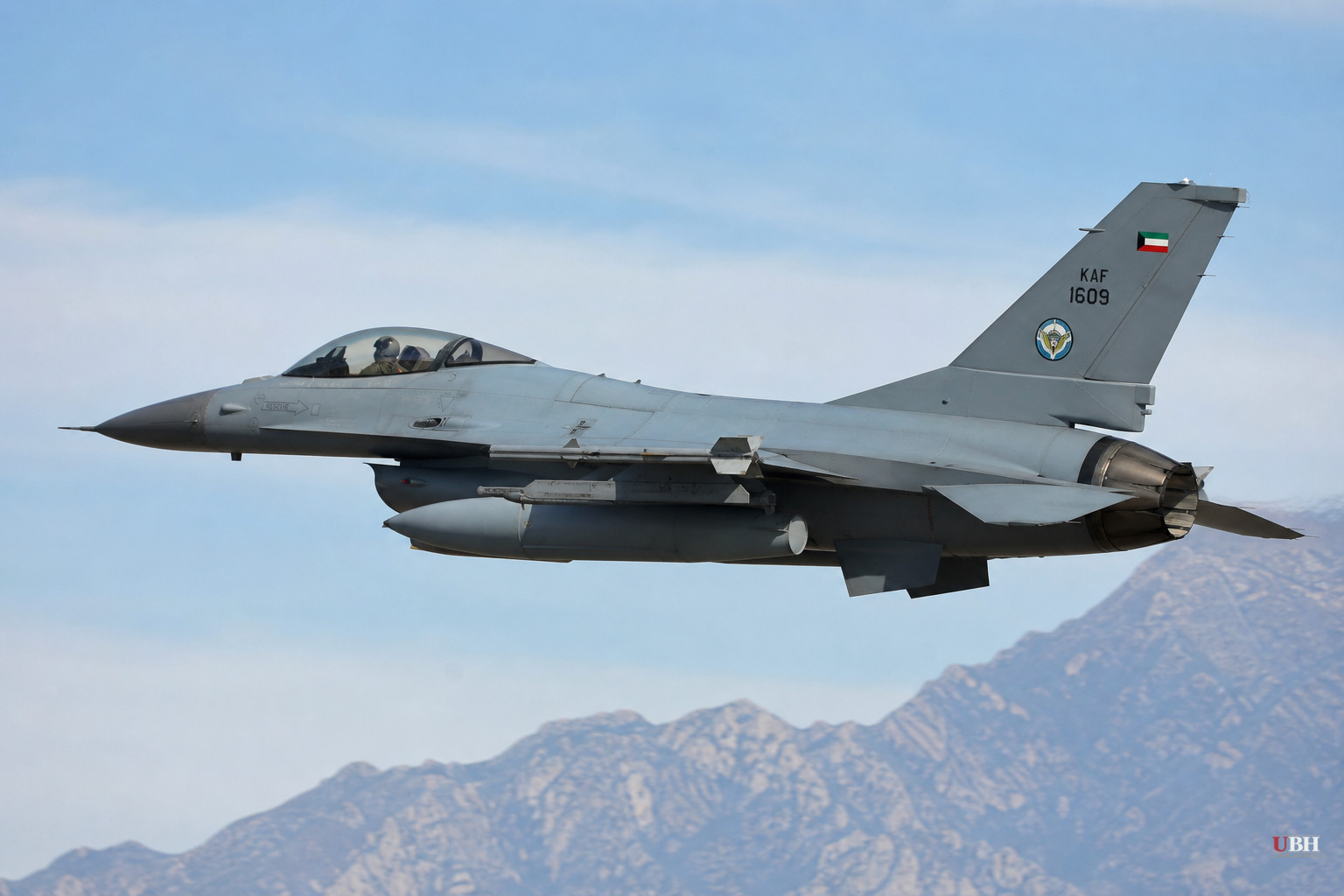
Since Bahrain and Kuwait came under intensifying Iranian drone and missile attacks in recent weeks, both countries quietly crossed a line they'd avoided since the war started: they hit back inside Iran itself.
The Wall Street Journal reported Friday that Bahrain and Kuwait sent fighter jets earlier this month to strike Iranian drone and missile storage facilities and other military sites. Sources familiar with the operation told WSJ it marked the first direct retaliatory action either Gulf state has taken against Tehran during the conflict.
Both countries run small air forces built around US and European aircraft, according to WSJ's sources. Neither is a heavyweight like Saudi Arabia or the UAE. But people familiar with the matter said Manama and Kuwait City were no longer willing to just absorb Iranian strikes without responding.
The UAE played a supporting role, providing intelligence on targets and defensive air cover during the strikes, according to the report, cited by both the Journal and Middle East Eye. The UAE launched dozens of strikes on Iran earlier in the war and has now extended that campaign into backing smaller neighbors, according to Middle East Eye's reporting.
Saudi Arabia struck Iran early in the conflict too, then shifted toward supporting Pakistan-led mediation while still giving the US expanded access to its airspace and bases, according to the Journal. The Journal also reports Riyadh is now reassessing its posture. Oman and Qatar, by contrast, have stuck to their long-standing balancing act between Washington and Tehran and have shown no appetite for direct confrontation, sources told WSJ.
Why Bahrain and Kuwait, and why now
Iran has largely spared Saudi Arabia and the UAE from the heaviest attacks and instead concentrated fire on Bahrain and Kuwait, according to Middle East Eye. Geography explains a lot of that targeting. Bahrain is an island kingdom connected to the outside world only by a causeway to Saudi Arabia. Kuwait sits at the northern tip of the Strait of Hormuz, flanked by Iraq, and regional officials say it has taken fire from both Iran directly and from Iran-aligned militias operating out of Iraq.
Both countries depend almost entirely on Hormuz for oil exports, which makes them especially exposed. Bahrain has also built diplomatic ties with Israel through the 2020 Abraham Accords, a relationship Tehran has repeatedly cited in its rhetoric against Gulf states hosting US forces.
Kuwait's foreign ministry said earlier this week that Iranian strikes hit a power plant and a water desalination facility. The damage appeared contained, but experts warned to Middle East Eye that a large-scale hit on Gulf desalination infrastructure could trigger a humanitarian crisis given how reliant the region is on desalinated water.
The attacks haven't stopped. Bahrain's Defense Force said Friday its air defenses intercepted and destroyed several Iranian aerial attacks, accusing Tehran of running a campaign against civilians in the kingdom, according to Iran International. Kuwait's military separately said it was confronting hostile drones launched from Iranian territory.
The bigger picture in Washington
The Gulf strikes surfaced the same day US Central Command marked its 13th consecutive night of strikes on Iranian military and maritime targets, according to Iran International. President Trump told Axios Thursday he's considering "a massive attack" on Iran, and told reporters Friday that Washington is in active talks with Tehran, saying "we're talking to them right now."
Trump said the US could keep hitting Iran "piece by piece" or escalate "in a more rapid fashion," but called a negotiated deal the smarter path. He said Iran seems increasingly serious about reaching an agreement, while cautioning talks could still collapse. Any deal, he said, has to block Tehran from getting a nuclear weapon. The New York Times has reported Trump met senior advisers to weigh intensifying military operations against Iran, though no decision on wider strikes has been announced.
Militarily, it's unlikely Bahrain and Kuwait's strikes change the war's trajectory. Their air forces are a fraction of the size of the US, Israeli, or even UAE and Saudi arsenals already engaged. Middle East Eye's reporting is blunt on this point: the entry of the two smaller Gulf states broadens the conflict's geography without shifting its balance.
What it does change is the diplomatic picture. Six Gulf-adjacent states now have direct or indirect fingerprints on strikes against Iran: the US, Israel, UAE, Saudi Arabia at the outset, and now Bahrain and Kuwait. Iran's Deputy Foreign Minister Kazem Gharibabadi has warned countries that allow US operations against Iran, according to Iran International, though the specific threat was not fully detailed in available reporting.
No ceasefire currently holds. A truce extension signed in June has largely collapsed, according to Middle East Eye, with Iran continuing strikes on Gulf states and shipping in the Strait of Hormuz. Whether Bahrain and Kuwait launch further retaliatory strikes, or whether Trump moves ahead with the larger campaign he's publicly weighing, remains unresolved as of Friday's reporting.
Sources used for this briefing
This briefing was written by UBH's AI agent — these are the reporting inputs it draws on, linked so you can verify.


