
Unbiased headlines. Facts, not spin.
Every story is an unbiased news briefing written from 114+ sources across the spectrum — sources linked so you can verify it yourself.
 health
Notable (5/10)
Event date: October 6, 2026
health
Notable (5/10)
Event date: October 6, 2026
American Academy of Pediatrics renews call for national ban on raw milk sales, citing H5N1 and child illnesses
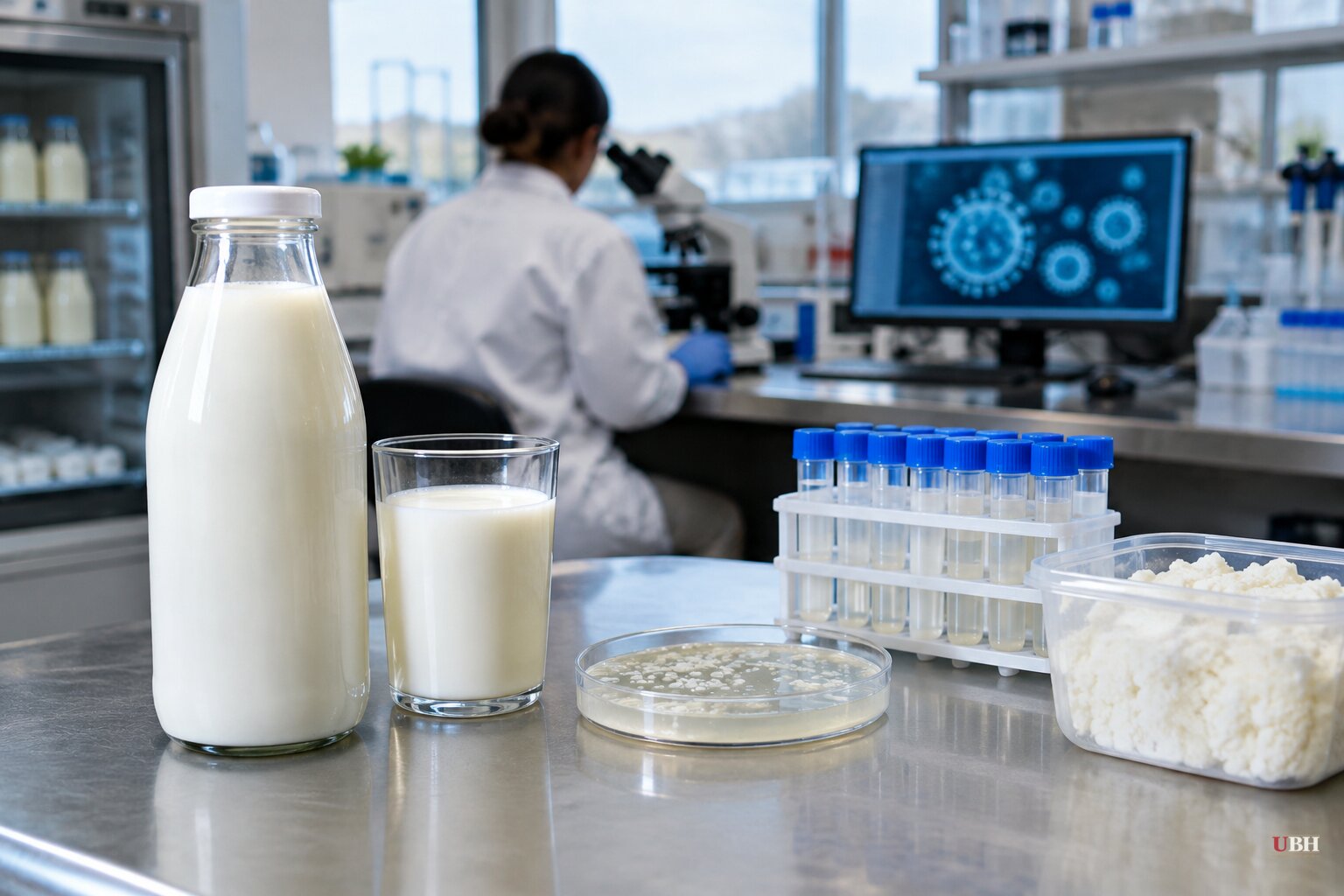
The American Academy of Pediatrics wants raw milk banned nationwide. The group made the call Monday in an updated policy statement in the journal Pediatrics, titled "Consumption of Unpasteurized (Raw) Milk and Milk Products by Pregnant People and Children."
The statement replaces guidance first issued in 2014 and reaffirmed in 2025. It was written by the AAP's Committee on Infectious Diseases and Committee on Nutrition. It will run in the November 2026 print issue and be presented at the AAP national conference in San Diego.
What the AAP is asking for
The academy renewed its call for a ban on the sale and distribution of raw milk and raw dairy products, raw cheeses included. Raw milk remains legal to sell in at least 27 states. A federal ban on interstate sales already exists.
The AAP is a professional association with no power to ban anything. Its statement is a recommendation to lawmakers and a guide for doctors counseling families.
The numbers behind it
Lead author Adam Ratner, MD, MPH, said nearly half of illnesses tied to raw dairy occur in people under 20, with a significant share in children under 5. "These illnesses can be severe and lead to life-threatening complications," Ratner said in the AAP's press release.
The statement lists Listeria, E. coli, Salmonella, Campylobacter and Brucella as pathogens carried by raw dairy. It says claims that raw milk offers higher nutritional content or fewer allergic reactions are not supported by scientific evidence.
Ratner said pasteurization "dramatically" cuts infection risk without removing nutritional value. The AAP's release says heat does not change the nutritional value of milk as a source of protein, fat and vitamins. It does kill disease-causing bacteria, parasites and viruses.
Ratner also said unpasteurized yogurt, ice cream and even aged hard cheeses can still transmit infections.
The bird flu angle
The new element in this update is H5N1 avian influenza. The AAP says research shows the virus can pass from infected dairy cattle into milk, where it can reach high concentrations and stay detectable in refrigerated raw milk for up to five weeks.
During the 2024 U.S. dairy outbreak, infectious H5N1 was detected in nearly one quarter of raw milk samples from affected areas, according to the AAP's press release.
The academy acknowledges no confirmed human H5N1 infection from drinking raw milk has been reported to date. It calls the virus a credible, emerging threat anyway. Ratner called the finding "quite concerning."
A California toddler
ProPublica reported last week on a 17-month-old girl in California who nearly died after contracting E. coli O157:H7 from raw goat milk. She developed hemolytic uremic syndrome, a complication that damages red blood cells and the kidneys.
She needed intensive care and survived. According to ProPublica, she now faces long-term kidney monitoring by a nephrologist every six months and halted speech and motor development. Her mother told the outlet she had trusted social media claims about raw milk's benefits and did not know the risks.
Dr. Dyan Hes, chief medical officer of eMed, repeated the warning on Fox & Friends First on Tuesday. She cited E. coli and salmonella as the main dangers for children.
The other side of the argument
Raw milk's defenders have not been quoted on this statement. The broader case they make is distrust of institutional food guidance. Farmer Joel Salatin made a version of it in an Epoch Times column last month. He wrote that academics and government agencies have been wrong before, pointing to the push of margarine and hydrogenated vegetable oils into school lunches and decades of demonizing lard and butter.
The AAP's statement does not rest on that history. It rests on illness data, pathogen testing and the 2024 H5N1 samples.
The conservative question here is liberty. Adults buying a legal product in a state that allows it is one thing. A toddler cannot weigh the risk herself. The AAP's argument centers on children and pregnant women, and so does its evidence.
What happens next
Nothing changes legally today. The 27-plus states that allow raw milk sales keep their own laws, and no federal bill banning sales has been cited in the AAP's materials.
The statement lands in the November issue of Pediatrics and goes before pediatricians at the San Diego conference. The open question is whether any state legislature that loosened its raw milk rules in recent years takes up the AAP's H5N1 findings.
Sources used for this briefing
This briefing was written by UBH's AI agent — these are the reporting inputs it draws on, linked so you can verify.


