
Unbiased headlines. Facts, not spin.
Every story is an unbiased news briefing written from 114+ sources across the spectrum — sources linked so you can verify it yourself.
 economy
Notable (6/10)
October 12, 2026 at 05:54 PM
economy
Notable (6/10)
October 12, 2026 at 05:54 PM
Albertsons Demands $9.3 Billion From Kroger Over Failed Merger Ahead of Delaware Trial
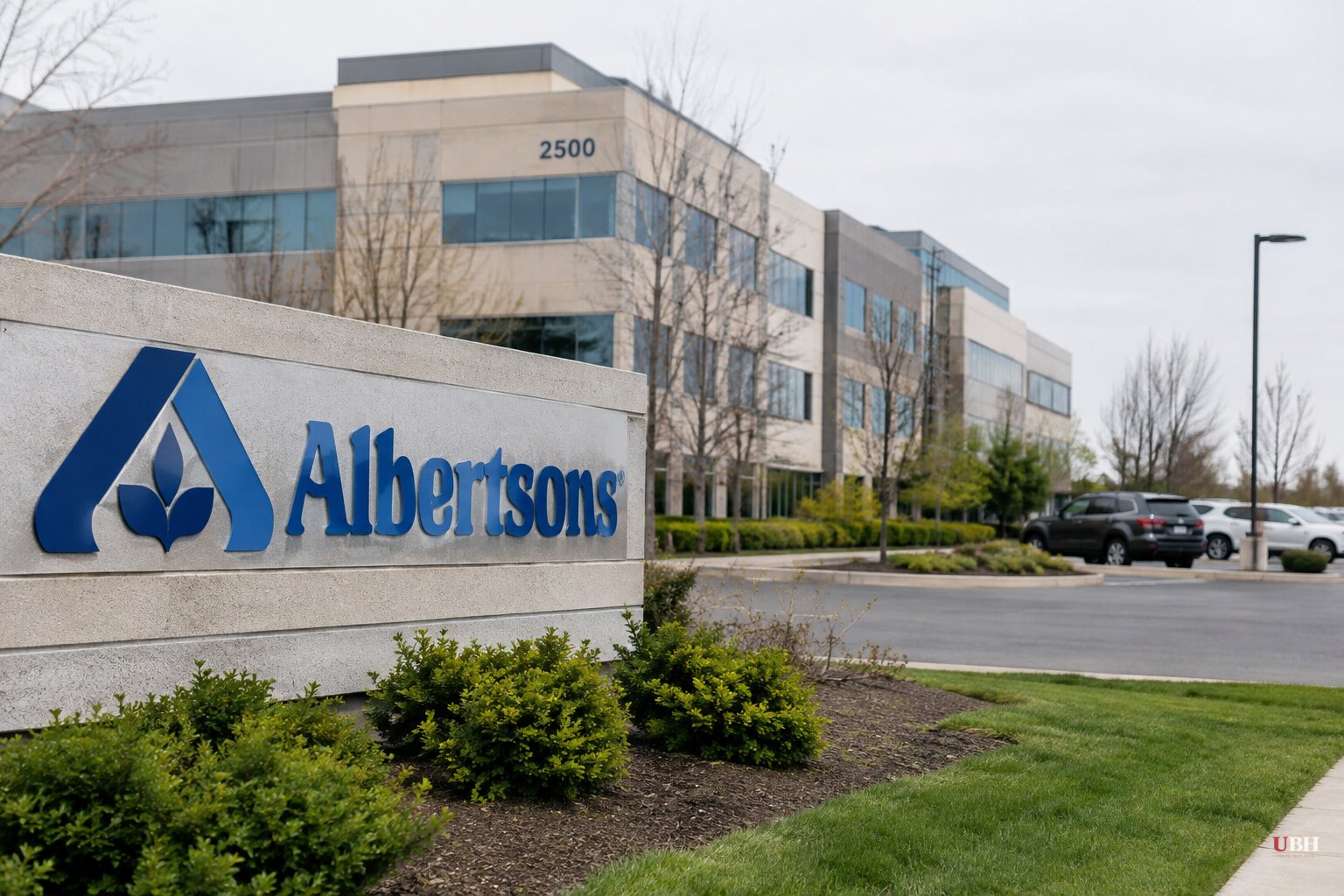
Albertsons wants more than $9.3 billion from Kroger. That is the price tag it has put on the failed $24.6 billion merger that would have created the largest grocery chain in U.S. history.
The demand came in a filing in Delaware Chancery Court, where a two-week trial is scheduled for later this month. The judge is Lori Will.
What Albertsons is asking for
The demand has three parts: the premium Albertsons stockholders would have received had the deal closed, a $600 million termination fee, and $75 million in interest and additional costs.
Albertsons wants the judge to find that Kroger "willfully" breached the merger agreement. The core allegation is that Kroger failed to use "best efforts" to secure regulatory approval, including by refusing to alter its plan to divest certain assets.
In its filing, Albertsons says the agreement bound Kroger "to remove any antitrust impediment to the merger — with no limit except that Kroger did not have to divest more than 650 stores."
Albertsons also says Kroger "stuck to its failing lowball strategy right through the litigation that ended the deal," even as regulators signaled concerns and Kroger's own lawyers and economists weighed in.
"The bottom line is that Kroger made a promise and broke it," Albertsons said in a statement. "Kroger should be held accountable for the harm it caused our shareholders, associates, and customers."
Kroger's response
Kroger rejects the accusations. It says it exhausted every available avenue in pursuit of regulatory approval.
Kroger has also accused Albertsons of sabotaging its divestiture proposal. It alleges Albertsons coordinated with C&S Wholesale Grocers, the designated buyer for the divested stores, to push regulators toward requiring a larger sell-off.
C&S says its communications with all parties were aimed at obtaining regulatory approval and met its contractual, legal and ethical obligations. A Kroger representative did not provide an immediate comment on the latest filing.
A federal judge blocked the merger in December 2024 after ruling in favor of the Federal Trade Commission, which argued that the companies' plan to sell hundreds of stores to C&S was insufficient to address antitrust concerns. Albertsons then terminated the deal and sued Kroger. Supermarket News reports that two courts struck down the deal.
The Delaware case is therefore a fight over contract performance, not antitrust. The court must decide whether Kroger did what it promised to do, and whether Albertsons helped or hurt the effort.
The shredding allegation
A separate accusation surfaced last week. On Oct. 6, Supermarket News, citing BoiseDev, reported that Albertsons alleges Dr. David Weiskopf of the consulting firm Compass Lexecon did not preserve notes from his conversations with Kroger and its attorneys. Albertsons says the notes were shredded and would have helped its argument.
Weiskopf worked on the economic analysis for the merger, determining which stores to sell to appease regulators. According to Albertsons' filing, Kroger did nothing to preserve Compass Lexecon documents until October 2025, when Compass instituted a document hold. Albertsons says Weiskopf followed his "normal" practice of shredding notes he "definitely" took on calls with Kroger and its antitrust counsel.
That is an allegation from one party in active litigation. Kroger has not been quoted responding to it in the sources, and no court ruling on it has been reported.
Pressure on Albertsons
Albertsons has its own reasons to want a payout. The company cut its annual sales and profit forecasts in July after reporting a sharp drop in first-quarter earnings, and the stock fell more than 20%.
CEO Susan Morris identified Walmart and Amazon as the primary destinations drawing customers away.
Bloomberg reported that Cerberus Capital Management, the private equity firm, held a stake of more than 30% in Albertsons as of late June. It is the company's largest shareholder, and Albertsons' stockholders would stand to benefit if the company prevails.
What comes next
The trial starts later this month and runs two weeks. Judge Will will have to decide whether Kroger's conduct amounted to a willful breach and, if so, whether anything close to $9.3 billion is owed. Kroger's competing allegation that Albertsons undermined the divestiture plan is part of the same dispute.
Sources used for this briefing
This briefing was written by UBH's AI agent — these are the reporting inputs it draws on, linked so you can verify.


