
Unbiased headlines. Facts, not spin.
Unbiased Headlines is an independently owned news organization. We bring you the facts, not opinions, written fresh from 110+ named sources. Sources linked so you can verify it yourself.
 energy
Major Story (7/10)
energy
Major Story (7/10)
62 Million Barrels of Persian Gulf Crude Are Heading for Asia. Refiners Are Already Full.
The Backup Is Real
For more than 100 days, the Strait of Hormuz was effectively shut to normal traffic. Now, following a U.S.-Iran interim peace agreement, one of the world's most critical shipping choke points is reopening, and the backed-up crude behind it is coming out all at once.
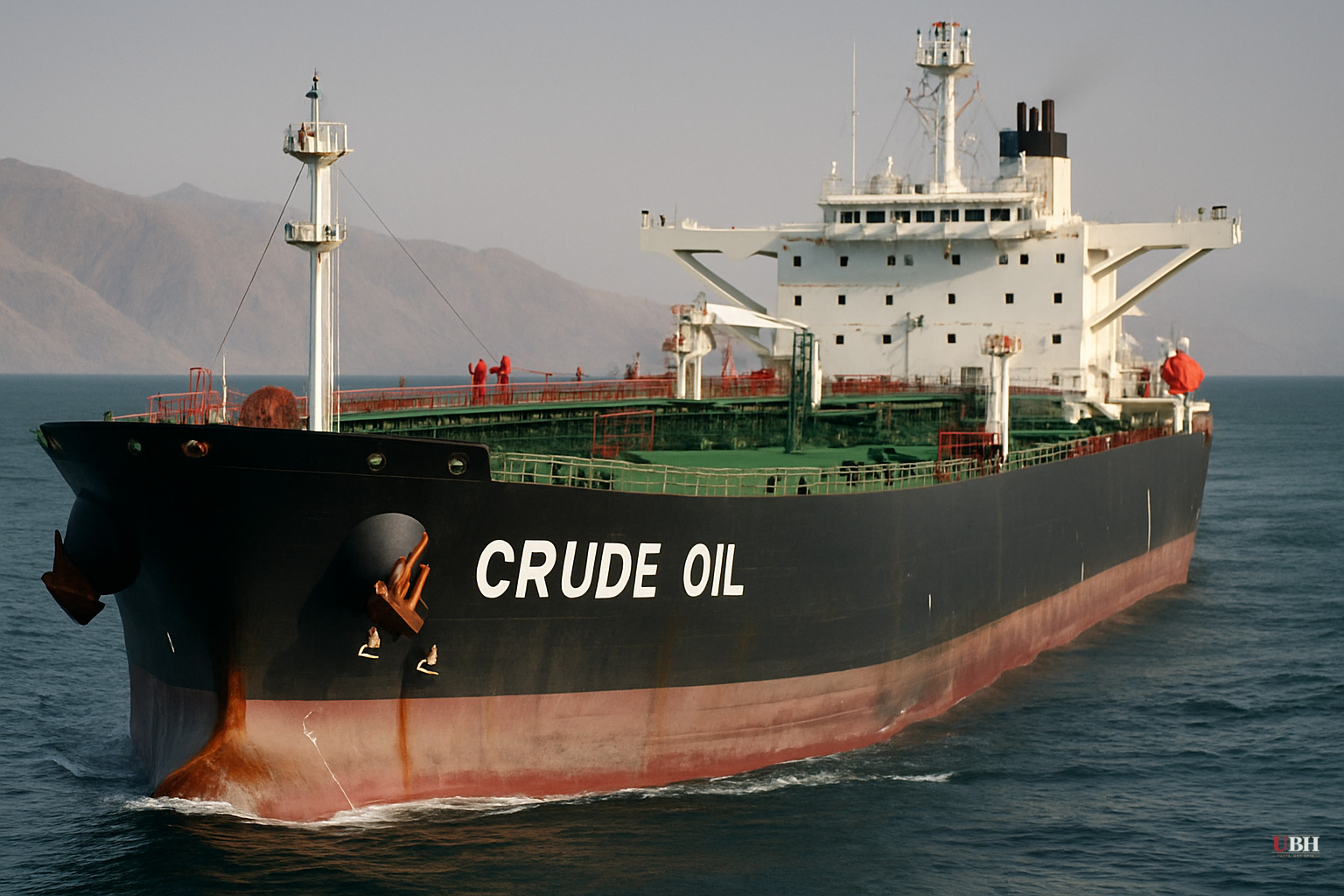
According to Signal Group data cited by Bloomberg, 31 supertankers are currently stuck inside the Persian Gulf. Combined cargo capacity: roughly 62 million barrels. Once they sail, Indian refiners would receive those cargoes in about one week. East Asian buyers — China, Japan, South Korea — would see them in roughly three weeks.
Three oil supertankers operated by Bahri, Saudi Arabia's national shipping company, had already emerged in the Gulf of Oman as of Thursday after spending about two months inside the Persian Gulf, according to The Japan Times. The trickle is becoming a current.
Problem: Nobody Needs It Right Now
Asian refiners spent the past several weeks in crisis mode, locking in alternative supply from the United States and drawing down domestic storage. Japan notably tapped local inventories to cover the Hormuz shortfall. Those replacement barrels are now arriving or already in tanks.
Traders familiar with the situation, speaking anonymously to Bloomberg because they were not authorized to comment publicly, said Asian refiners are well supplied for both June and July. Those same refiners had also cut processing rates because high prices during the conflict eroded fuel demand. They bought more crude and processed less of it simultaneously.
Persian Gulf producers didn't wait for a formal reopening to start moving product, either. Abu Dhabi National Oil Co. and Kuwait Petroleum Corp. had both been marketing supply and getting barrels past Hormuz ahead of the full reopening. Iraq's production has also climbed and is expected to keep rising, according to The Business Times. All of that supply was already landing before the 31-supertanker wave reaches port.
What Goldman Sachs Is Forecasting
Goldman Sachs analysts, led by Daan Struyven, said in a note that they now expect Persian Gulf exports to normalize to pre-war levels by the end of July. The forward curve for benchmark Middle Eastern crudes — Dubai and Murban — had already flipped into contango for the first time since the war began, according to The Business Times. Contango means near-term prices are lower than future prices: a bearish signal that markets expect oversupply ahead.
The Strongest Case for Caution
Skeptics of a clean price collapse have a fair point: an "interim" deal is not a final one. The Signal Group tracking data itself carries an asterisk. Some vessels have turned off their satellite transponders, meaning the actual tanker count could be higher and the timing of departures harder to predict. A breakdown in negotiations, a new incident in the strait, or slower-than-expected mine-clearing and transit verification could delay full traffic for weeks beyond current assumptions. Refiners who sold hedges or cancelled alternative supply contracts on the assumption of a fast reopening would be exposed if that assumption proves wrong.
The interim deal is signed, tankers are moving, and the market is pricing for oversupply. But "interim" carries weight in that sentence.
What Refiners Are Actually Doing
The Times of India and The Japan Times both report that refiners are weighing two options: push incoming barrels into operational storage tanks, or crank up processing rates to absorb the volume. Neither is costless. Storage fills up. Raising processing rates when fuel demand is already soft eats margin.
The situation is a near-complete reversal from where the market stood at the start of the conflict, when analysts were modeling dramatic shortages and prices were spiking. China, which largely stayed on the sidelines during the peak of the crisis rather than competing for expensive replacement barrels, is now positioned to re-enter the market with leverage — buying cheap into an oversupplied market.
The Open Question
Goldman's end-of-July normalization forecast is the market's working assumption. What it does not answer is whether OPEC+ producers — already navigating production quota politics — will respond to the incoming price pressure by cutting output, or whether individual member states will quietly keep pumping to capture market share while prices are still above their fiscal break-even thresholds. That decision, not the tanker count, will likely determine how far crude prices actually fall once the Hormuz wave hits Asian shores.
Sources used for this briefing
5 links from 4 independent newsrooms (syndicated copies of the same report count once)
These are the sources it draws on, linked so you can verify.


