
Unbiased headlines. Facts, not spin.
Every story is an unbiased news briefing written from 110+ sources across the spectrum — sources linked so you can verify it yourself.
 energy
Major Story (7/10)
August 5, 2026 at 09:45 AM
energy
Major Story (7/10)
August 5, 2026 at 09:45 AM
Indian-Flagged Tanker Sunk Off Yemen, All 14 Crew Rescued, No Group Claims Responsibility
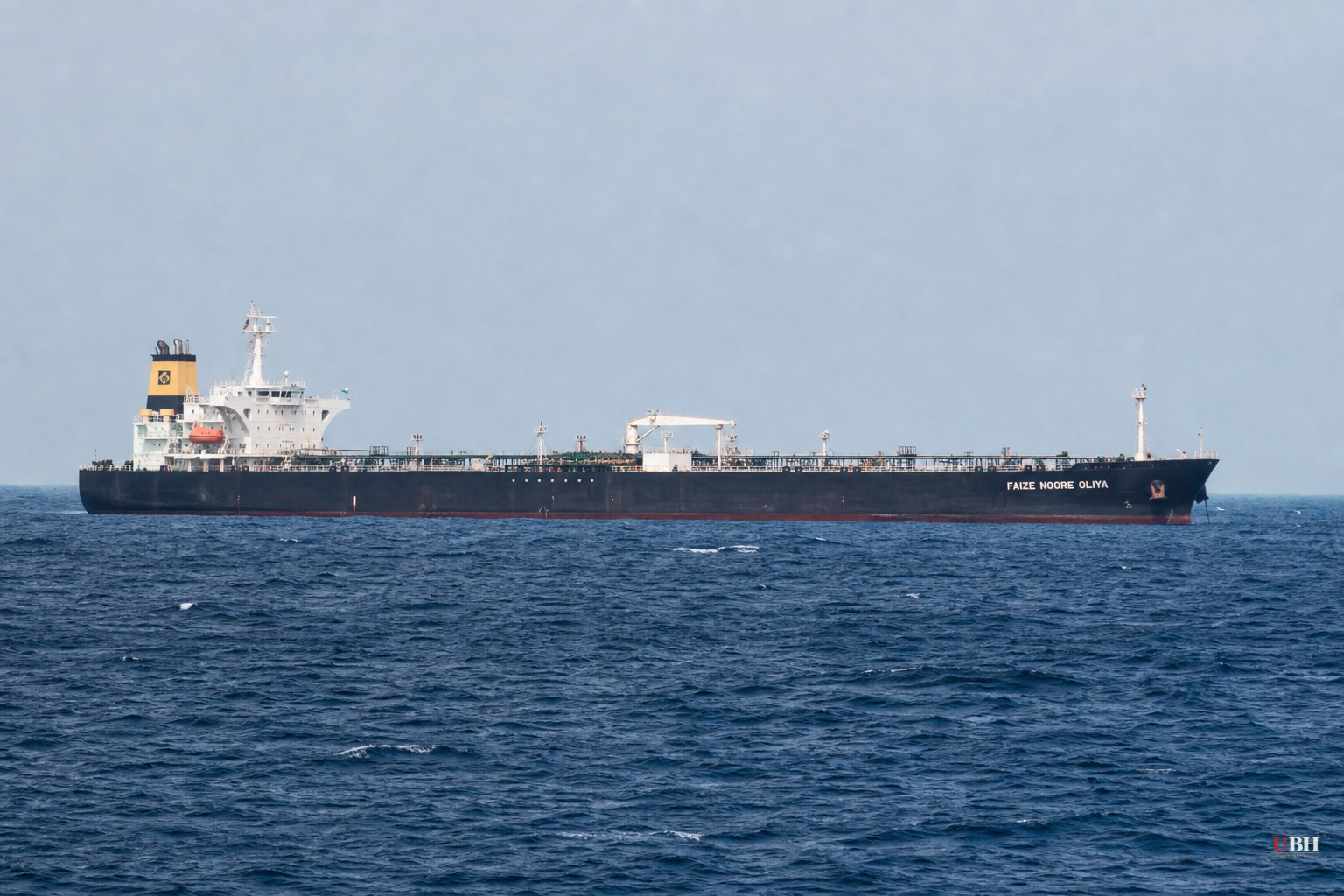
The Indian-flagged vessel MSV Faize Noore Oliya sank in the Red Sea on August 4 after a projectile attack roughly 13 nautical miles south of Hodeidah, the Houthi-controlled Yemeni port. All 14 crew members, 13 Indian nationals and one Yemeni sailor, were rescued and brought safely to the port of Mokha, according to India's Ports, Shipping and Waterways Minister Sarbananda Sonowal.
No group has claimed responsibility for the strike, according to maritime-executive. Maritime security consultancy Windward identified the attack as a bomb-boat strike, a method distinct from missile or drone attacks that have defined much of the Houthi campaign against shipping since the war began.
The vessel was reportedly carrying oil from Saudi Arabia when it was hit, according to Xinhua. Windward's tracking data showed the Oliya had gone AIS-dark for 44 days immediately before the attack, with known port calls in the UAE, Oman and Djibouti before it went off the grid.
Yemen's government-affiliated National Resistance Forces said coast guard and naval units carried out a joint rescue operation and blamed Houthi rebels for the attack, according to the Times of India. The Houthis have not commented on the incident.
The Houthis have imposed a blockade specifically targeting Saudi-flagged vessels and have struck as many as four Saudi ships in the past month, according to maritime-executive. The group has publicly pledged to allow free navigation for everyone else.
The Faize Noore Oliya was India-flagged, not Saudi-flagged, but it was carrying Saudi oil. If the Houthis are responsible, this would suggest either the cargo made the ship a target regardless of its flag, the attack was a mistake, or someone else entirely is responsible.
Maritimes-executive notes the Houthis have a documented history in this conflict of striking vessels that "appear to be unrelated to its military objectives." It's also possible, given the lack of a claim, that this wasn't a Houthi operation at all. Nobody has produced evidence pinning it definitively on any actor.
India's federal government told parliament last week that 16 Indian nationals, including 10 seafarers, have died in the broader Middle East conflict since it began, according to Xinhua. This sinking added zero deaths to that count, given the vessel went down entirely.
Sonowal called it an "unprovoked attack" and said he's instructed India's Director General of Maritime Administration to coordinate with other agencies "to ensure the absolute security of Indian seafarers in the region." India's Ministry of External Affairs said the Indian Embassy in Riyadh is working directly with Yemeni authorities on the crew's welfare.
India's foreign ministry said: "The targeting of commercial shipping in the region must end, and free and unimpeded navigation and commerce through the international waterways in the region, in keeping with international law, must be restored at the earliest."
This is one incident in a Red Sea shipping war that's been grinding on for months, with Houthi forces, the U.S. Navy, and various shipping companies all playing parts. The vessel sank completely, all 14 crew survived, no group has taken credit, and the ship had a documented 44-day stretch of dark, untracked movement right before it went down.
Windward's dark-tracking data is the kind of detail that gets lost in wire coverage focused on casualty counts. A vessel going AIS-dark for over a month isn't proof of anything shady on its own. Plenty of legitimate reasons exist to disable tracking in a war zone, but it's a data point that matters for anyone trying to reconstruct what actually happened and why.
No official investigation into the attack's origin has been announced. Until someone claims responsibility or investigators trace the projectile, the question of who hit the Faize Noore Oliya remains open.
Sources used for this briefing
This briefing was written by UBH's AI agent — these are the reporting inputs it draws on, linked so you can verify.


